
Last updated November 15, 2026
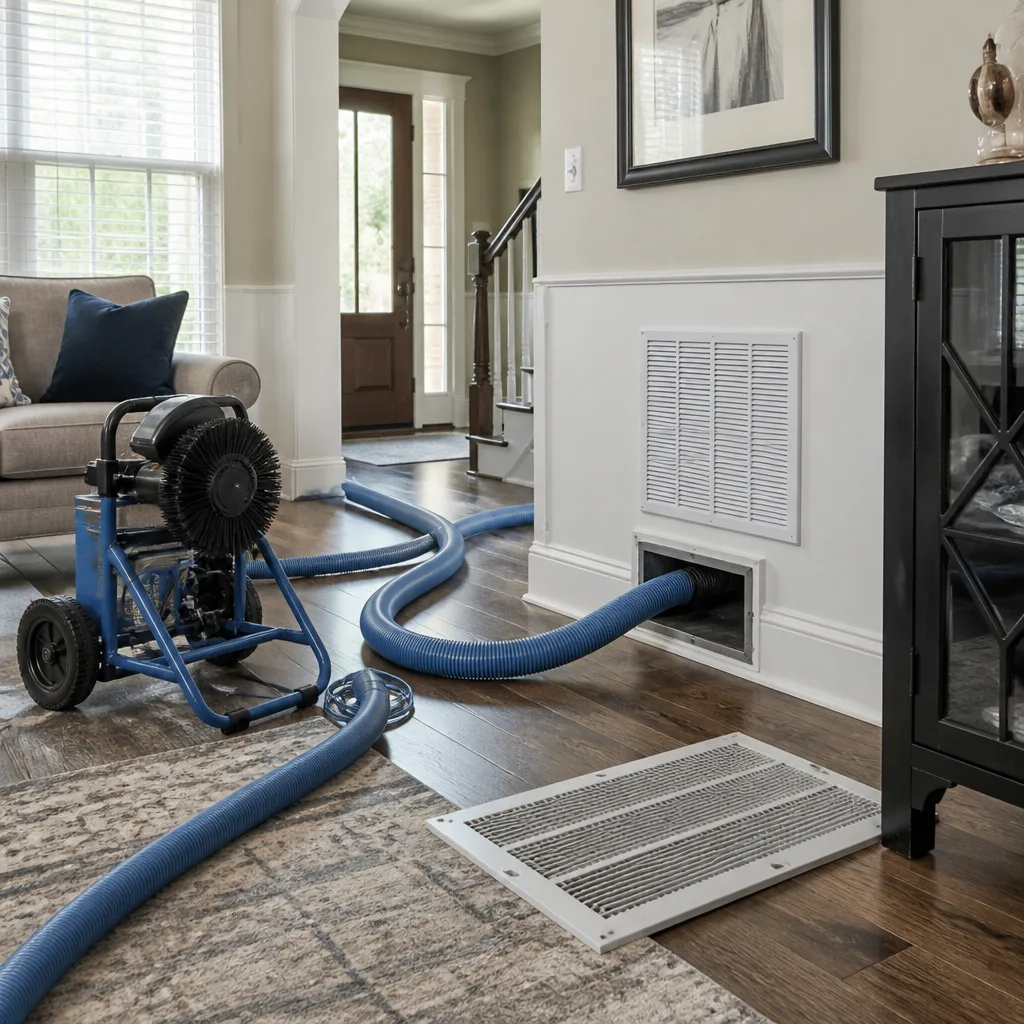 Whole-home duct cleaning
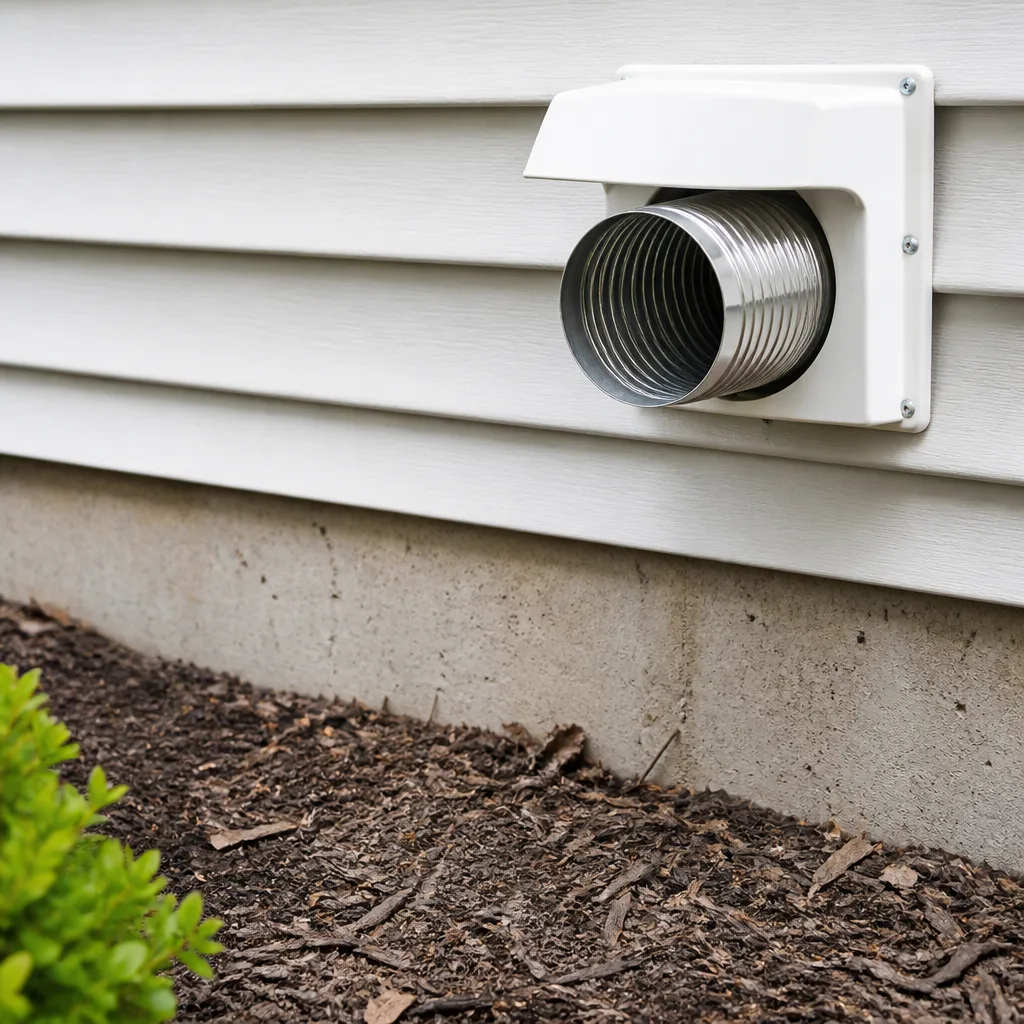 Dryer vent cleaning
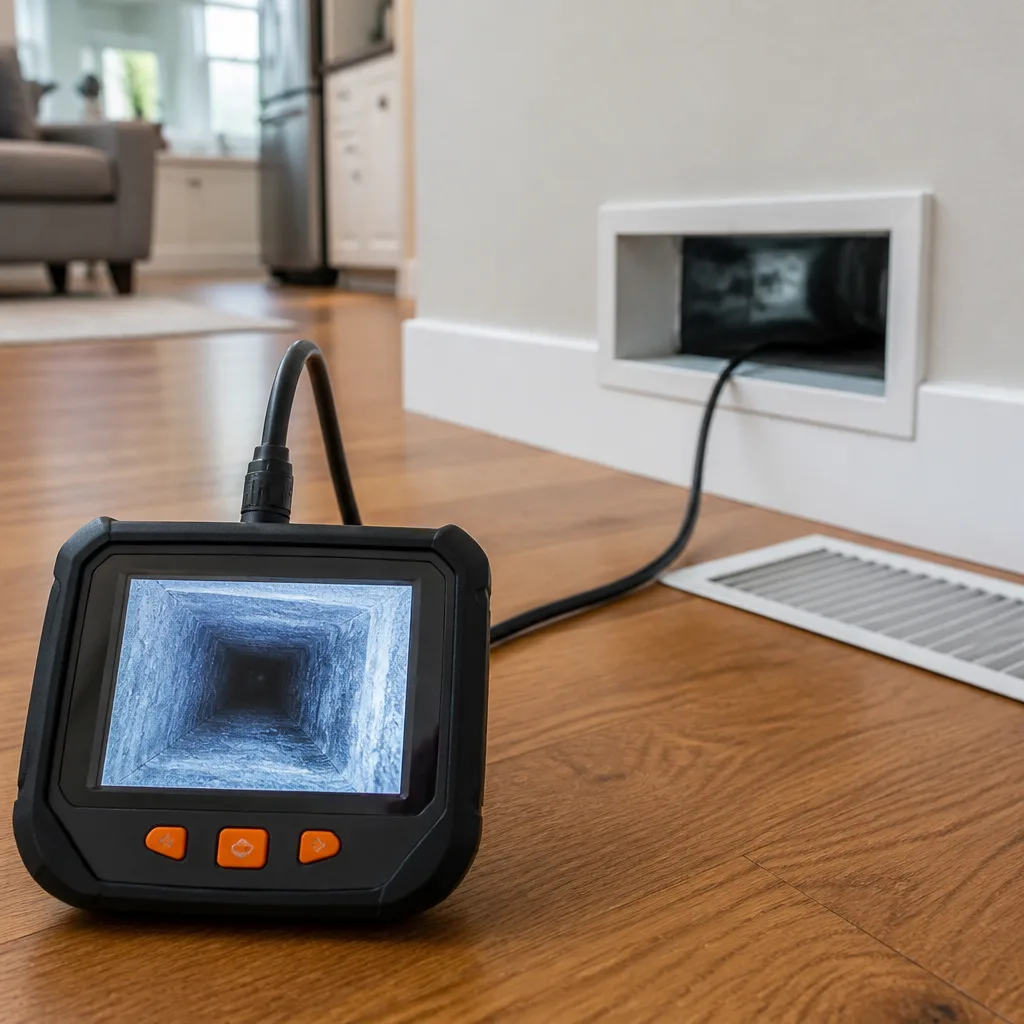 Camera inspection
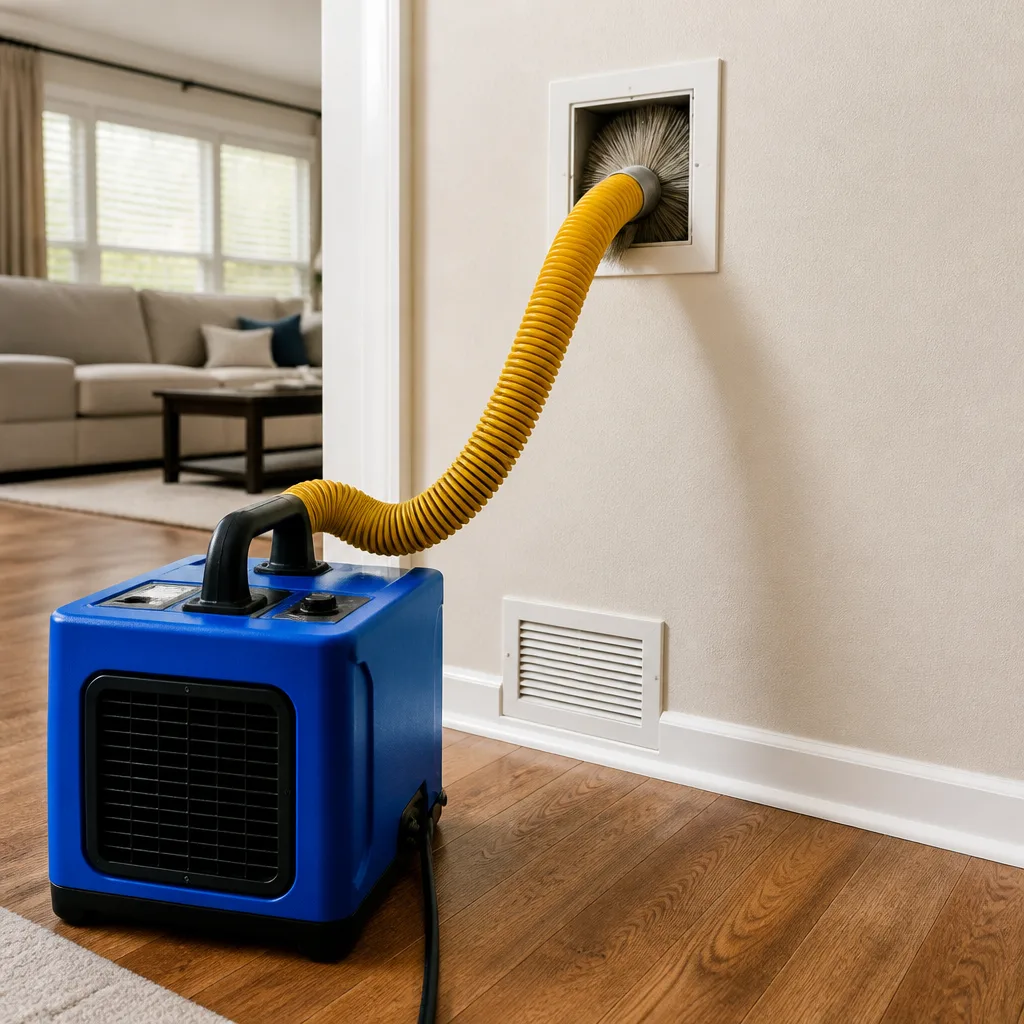 Sanitizing & deodorizing
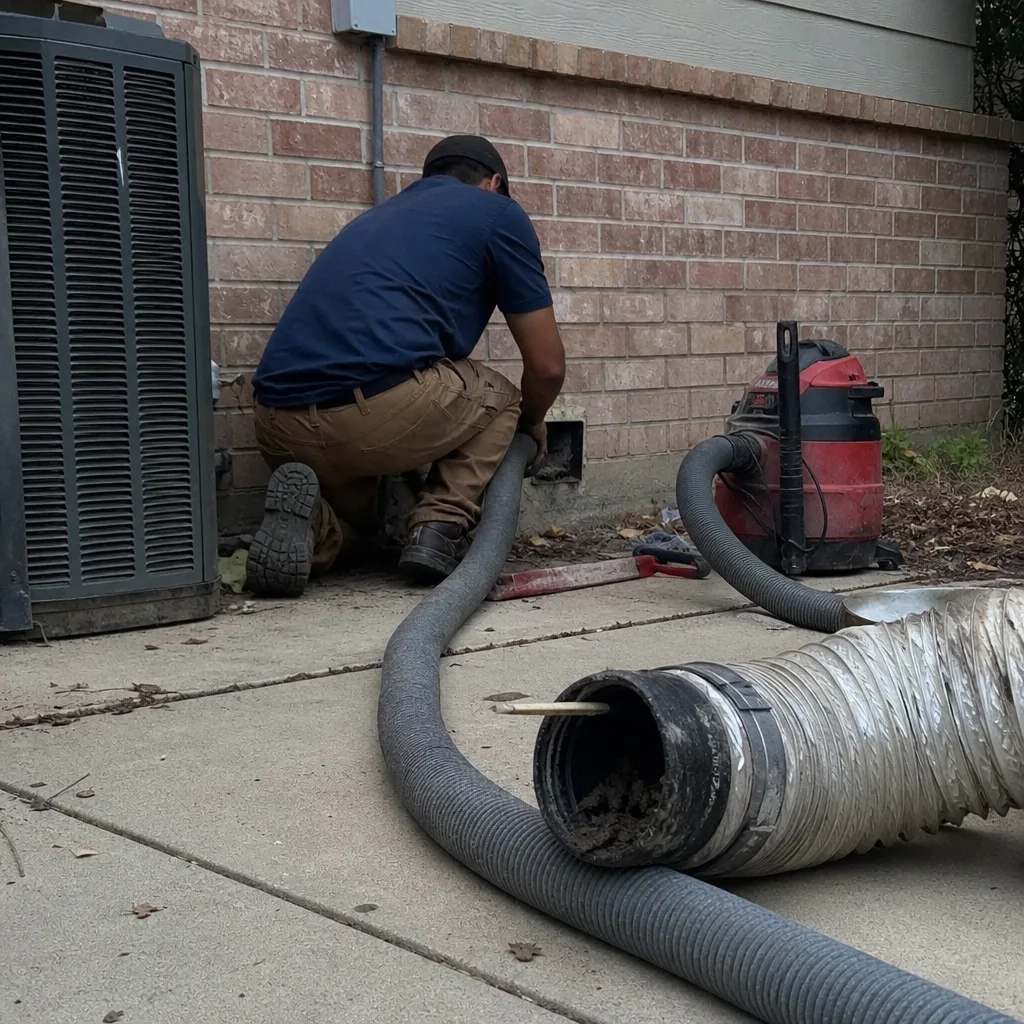
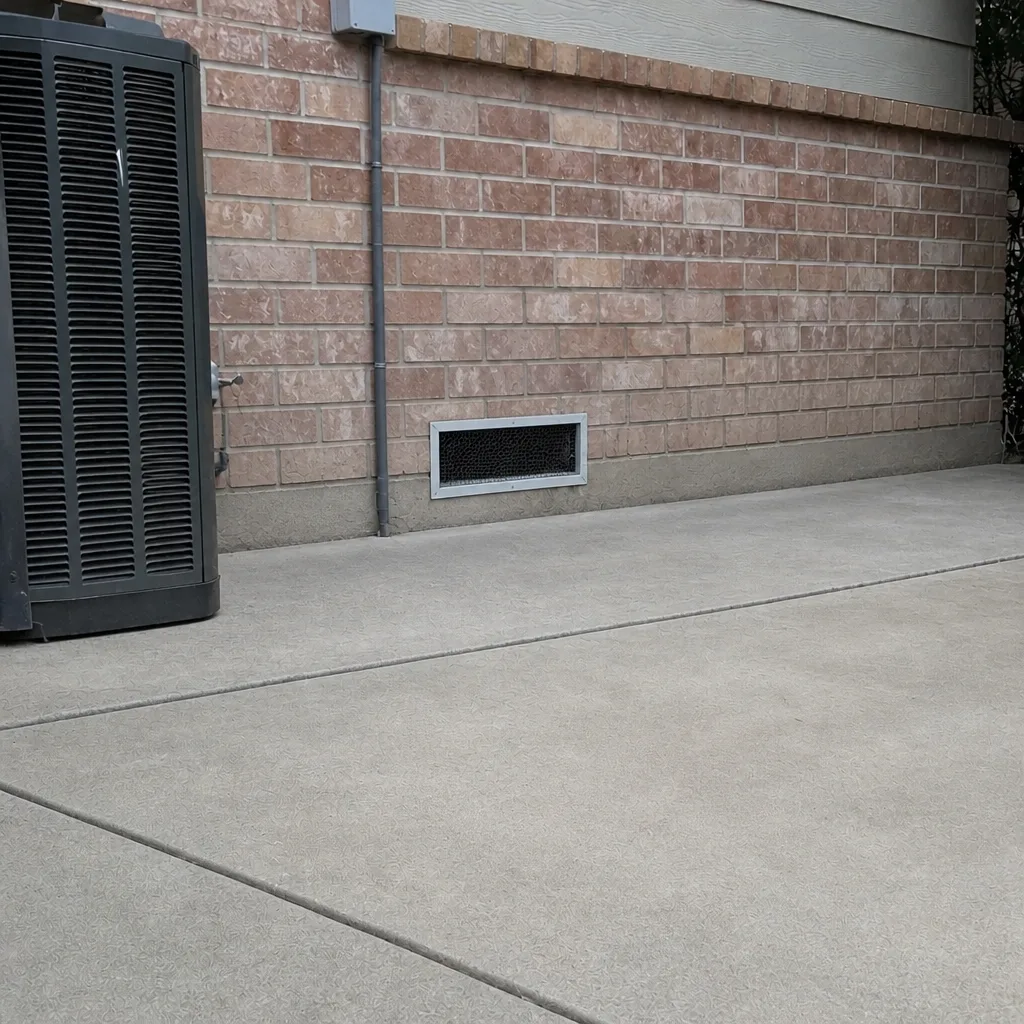
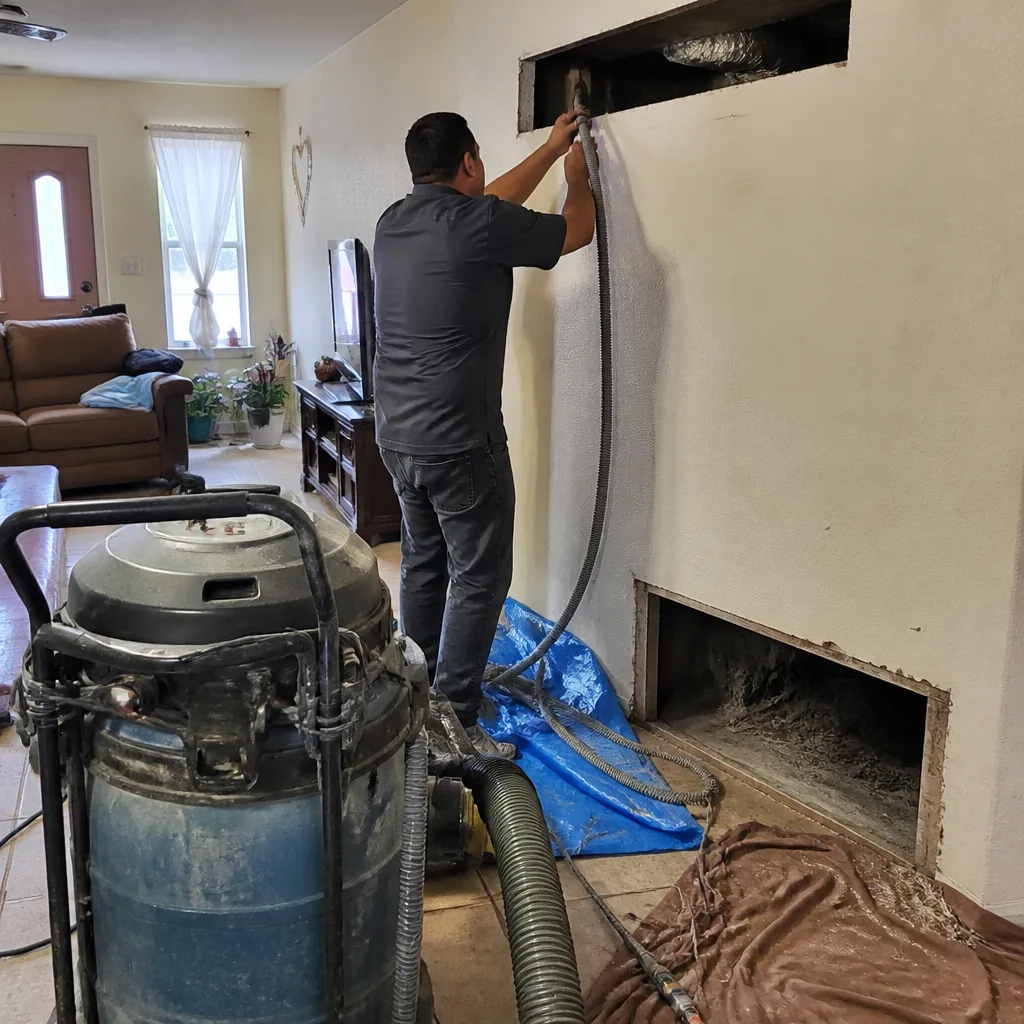
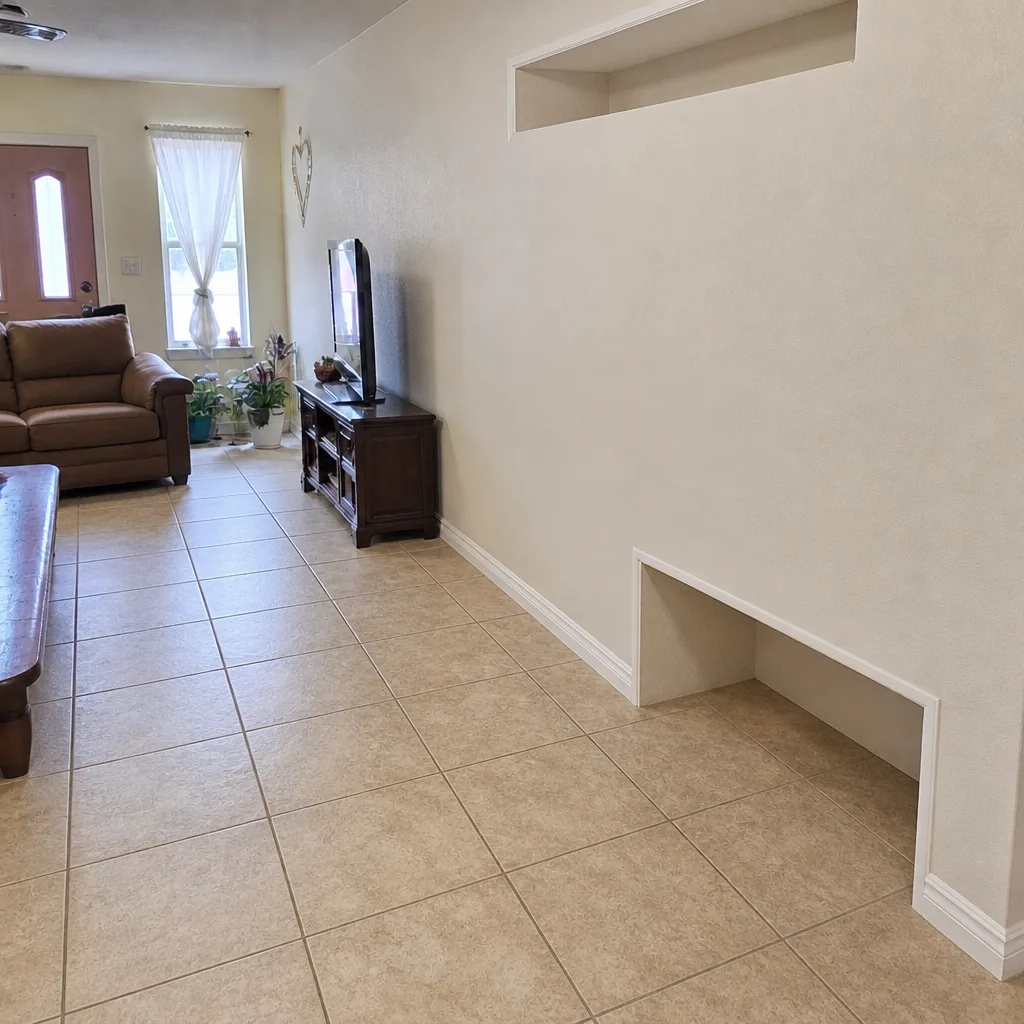
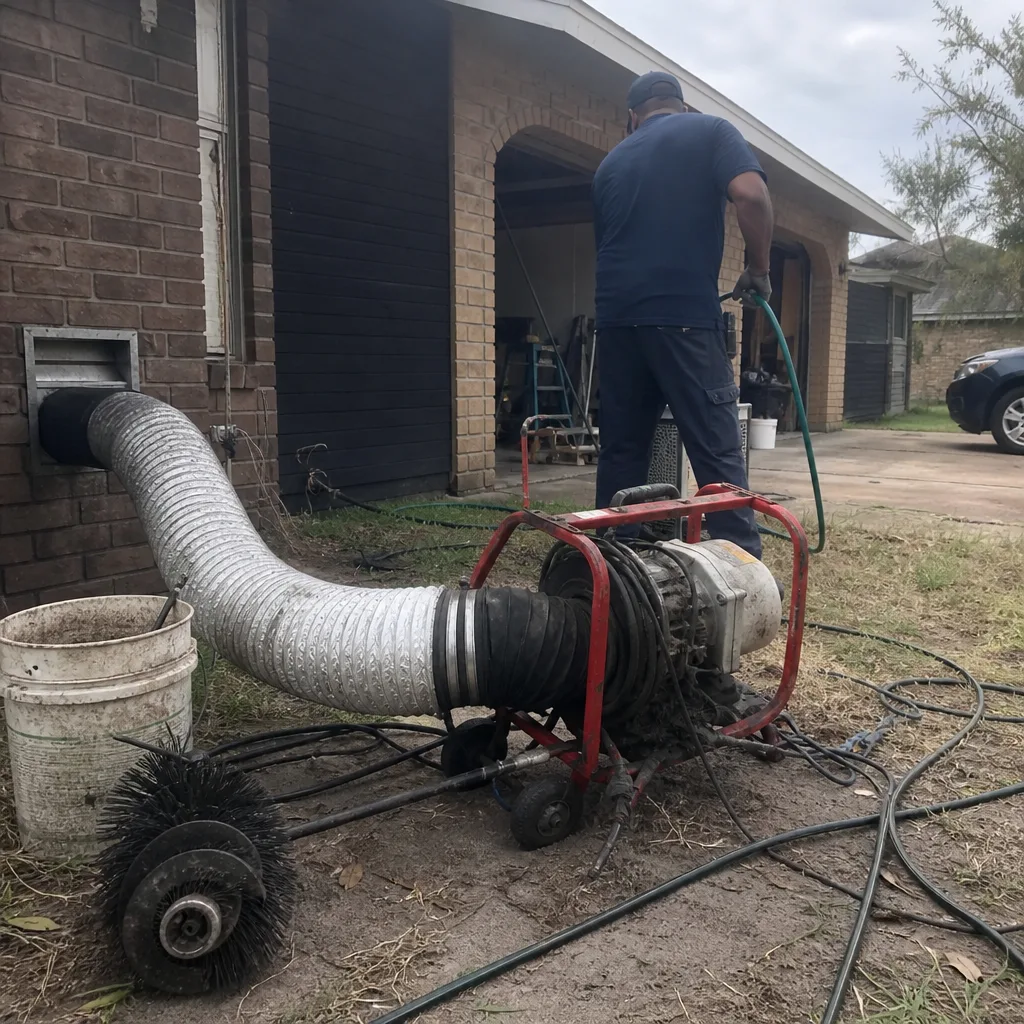
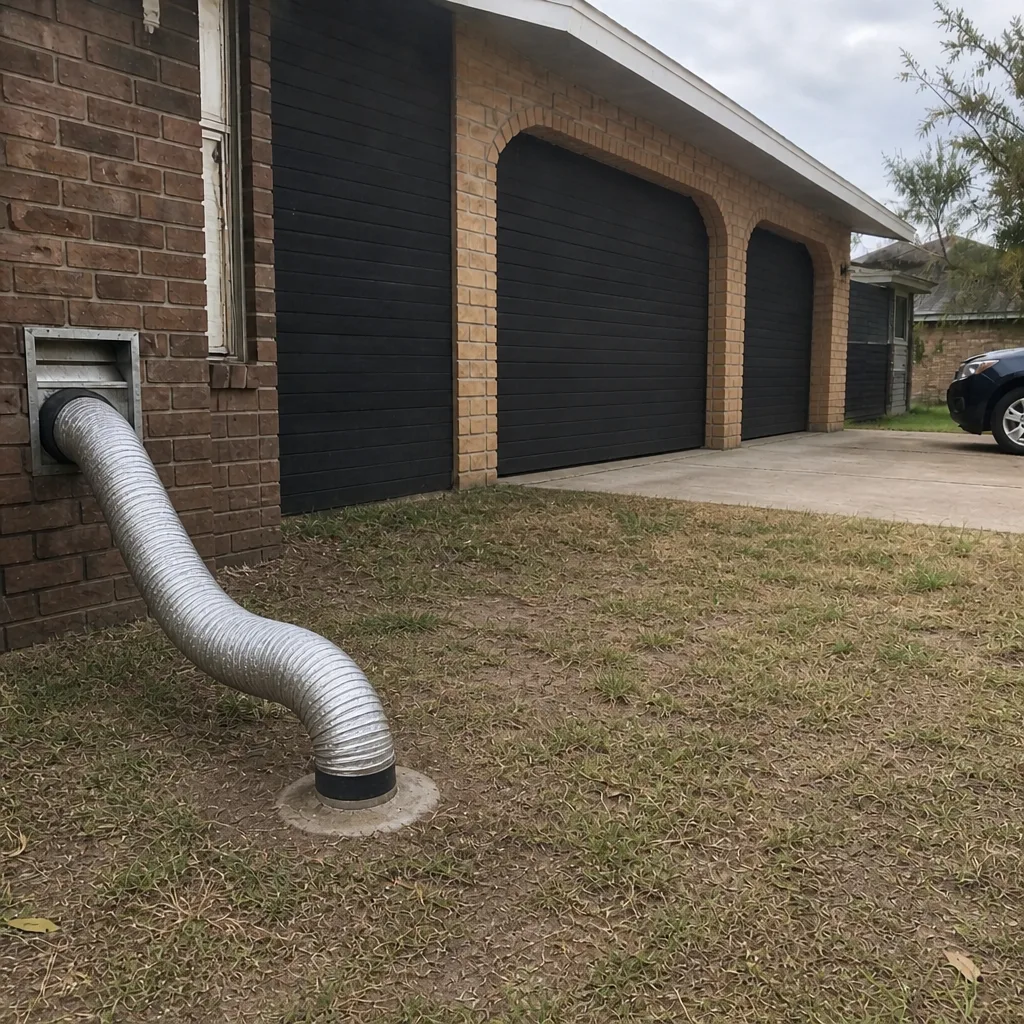
Whole-system duct and dryer vent check with before-and-after photos - you see exactly what came out of your vents
That "$99 whole-house special" is a bait ad - the real number appears once they are in your hallway, or the "clean" is a shop-vac at the register. We photograph the inside of your ducts before and after instead.
Air Duct Cleaning Troubleshooting in Edinburg: Common Problems and How to Fix Them
If a room in your Edinburg home is still stuffy after a cleaning, the problem may not be dirt at all. It could be a collapsed flex duct section, an unsealed joint, or a branch that was never reachable with the equipment that showed up. Those are issues a camera-equipped inspection finds in minutes and a shop-vac crew never looks for. Homeowners tend to blame the cleaning when the real fault is structural. This guide is about reading your system’s symptoms accurately so you know whether a proper air duct cleaning will solve the problem or whether something inside the ductwork needs repair. We’ll walk through airflow symptoms, odor patterns, grille readings, humidity effects in the Rio Grande Valley, and the line between a cleaning failure and a design failure.
Quick Answer
Most duct problems in Edinburg come down to one of three root causes: debris buildup restricting airflow, physical damage like crushed or disconnected duct sections, or moisture-driven deterioration of duct liner in the humid climate. Cleaning fixes the first. Only inspection and duct repair fix the other two. If a room stays weak after a professional cleaning, the next step is a camera inspection and pressure test, not another cleaning.
Styles & brands we work with
- Whole-home duct cleaning
- Dryer vent cleaning
- Camera inspection
- Sanitizing & deodorizing
Table of Contents
- Airflow Problems: Debris Versus Damaged Ducts
- Musty Odors After Cleaning: What They Mean
- Reading Your Supply and Return Grilles
- Why Edinburg Humidity Accelerates Duct Liner Deterioration
- Cleaning Failure Versus Design Failure
- When Duct Repair Is the Real Answer
- What a Proper Diagnostic Inspection Involves
- Common Mistakes to Avoid
Airflow Problems: Debris Versus Damaged Ducts
Weak airflow to one room is the most common complaint we hear in Edinburg, and the diagnosis matters more than the cleaning. Debris buildup restricts airflow gradually, usually affecting multiple vents unevenly as dust and lint settle through the trunk line. Physical damage restricts it sharply and often locally, because a crushed or disconnected section cuts off supply to just one branch. The two problems look similar from the register but need completely different fixes.
Debris restriction has a few recognizable patterns:
- Airflow drops everywhere at once, not just in one room
- You notice more dust settling on surfaces after the HVAC cycles
- Grilles show a uniform coating of lint rather than a heavy deposit on one side
- System seems louder than usual because the blower is working against resistance
Physical damage looks different. A collapsed flex duct typically shows as one room that stays stuffy while the rest of the house cools fine. A disconnected joint between the trunk and a branch often leaks conditioned air into a wall cavity or attic space, so the room gets almost nothing. Sometimes you’ll hear a rattle or a whistle that wasn’t there before, which usually points to a duct section that’s come loose and is vibrating against framing.
The only reliable way to tell them apart is pressure testing and camera inspection. A technician can measure static pressure at the air handler, then trace the branches with a camera to see where the drop happens. If the obstruction is dust, a Rotobrush and Nikro HEPA vacuum setup pulls it out. If it’s a crushed section, cleaning won’t touch it – that’s a duct repair job. Reaching the diagnosis with guesswork is how homeowners end up paying for two cleanings and still having a warm bedroom in August.
Musty Odors After Cleaning: What They Mean
A musty smell that comes back within days or weeks of a cleaning almost always means microbial growth was missed, not eliminated. The most likely locations are the branches and plenum areas a technician couldn’t reach with the equipment on hand. Short bursts of rotary brush into the main trunk look thorough from the outside but leave the deep branches untouched. Moisture plus organic dust plus warm air equals regrowth, and it starts fast in an Edinburg summer.
Where the smell hides, in our experience:
- Flexible duct branches that haven’t been individually agitated
- The return plenum above or beside the air handler
- Insulated flex duct liner where condensation has soaked in
- Duct sections that run through unconditioned attic space
- Anywhere a prior “quick clean” never sent equipment
Getting rid of it takes more than another vacuum pass. Proper source removal uses a rotary brush system to agitate the growth off the duct wall, HEPA-rated extraction to capture the loosened material without recirculating it, and containment so the particles don’t drift into living space during the work. That last part is why we use Abatement Technologies containment and air filtration equipment – it keeps the job from spreading fine dust through the house. If the liner underneath has deteriorated, cleaning removes the growth but the damaged liner still needs repair or replacement to stop it from coming back.
One honest caveat: if the musty smell is strongest near a bathroom vent or a return that pulls from a damp crawlspace, the duct may not be the source at all. Duct cleaning removes what’s inside the ducts. It does not treat mold in the building envelope, and no duct cleaner should tell you it does.
Reading Your Supply and Return Grilles
Your grilles are diagnostic instruments if you know what to look for. A quick walkthrough of every supply and return in the house tells you where the problem concentrates before anyone opens a panel. Grab a flashlight, a step stool, and five minutes.
- Check airflow with a tissue or your hand at each supply. Consistent airflow everywhere points to a system-wide issue. One weak supply points to a branch problem.
- Look for uneven dust patterns. Heavy deposit on one side of a grille often means the air is entering at an angle, which usually traces to a nearby damaged section or a branch that runs too tight a turn.
- Examine the return grille filter slot. A filter that’s clearly overdue restricts the whole system and mimics duct problems. Replace it and re-check airflow before assuming the ducts are the fault.
- Notice streaks or dark lines around the return. Persistent streaking on the wall or ceiling near a return can indicate air leaking from a loose connection.
- Listen at each vent. Whistling or rattling at one register usually points to a branch that’s vibrating or partially blocked.
Returns tell a different story than supplies. A return that pulls strongly in one room and weakly in another suggests the return trunk itself has a restriction or that a return branch is disconnected. In Edinburg homes with a single central return, this imbalance matters more because the whole house is pulling through one path. If that path has a crushed section, every supply downstream gets less pressure, and the symptom presents as “the AC doesn’t cool” rather than “the ducts are dirty.”
Write down what you observe. A technician who has an accurate map of which grilles are weak, which are strong, and which have unusual dust patterns can skip half the guesswork before opening anything.
Why Edinburg Humidity Accelerates Duct Liner Deterioration
Duct liner problems in Edinburg look different from what national duct-cleaning guides describe because of the climate. Summer humidity in the Rio Grande Valley runs high for months, and that moisture interacts with cool duct surfaces in a way that dry-climate guides never cover. When cool conditioned air moves through a duct in an unconditioned attic, any gap in the outer jacket lets warm humid air contact the cold inner surface. Condensation forms. Insulated flex duct liner absorbs it. Over a few seasons, the liner begins to break down.
Signs of humid-climate liner deterioration:
- Visible dark staining or discoloration inside flex duct during a camera inspection
- Liner that flakes or peels away from the duct wall
- Musty odor that returns despite regular filter changes
- Condensation on the exterior of duct runs in attic or garage spaces
- Reduced insulation value, sensed as warm air at distant registers
Once the liner is compromised, cleaning alone won’t restore the system. The liner’s job is to insulate and smooth airflow, and a deteriorating liner creates ongoing debris particles that feed right back into the system. That’s a repair scenario, not a cleaning one. It’s also why pressure testing and a camera walkthrough matter so much in this climate: the duct can look clean from the register and still be in structural decline a few feet in.
Air-quality components like Honeywell and Aprilaire filters and humidistats interact with the same moisture load. When they’re working right, they help manage what the ducts see. When a filter is overloaded or a humidistat is out of calibration, the ducts take the hit. If your system has these components, it’s worth having them checked during any duct diagnostic visit.
Cleaning Failure Versus Design Failure
There’s a moment in every duct troubleshooting call where the question becomes: was the cleaning inadequate, or is the system designed in a way that cleaning can never fix? Homeowners deserve an honest answer, and the answer often isn’t “clean it again.” A cleaning failure means the equipment or method didn’t remove what was in the ducts. A design failure means the duct layout, sizing, or routing can’t deliver proper airflow no matter how clean it is.
Signs you’re looking at a design failure rather than a cleaning failure:
- A room that’s never been comfortable, in any season, since the home was built
- Airflow that stays weak in the same spot after two properly done cleanings
- Duct runs that are visibly undersized for the room they serve
- Sharp 90-degree turns or flex duct that’s been pulled tight around corners
- A system that cools some rooms well while others never catch up
Design failures usually need duct reconfiguration – re-routing a branch, replacing a long flex run with a properly sized hard duct, or adding a return path to a closed-off room. Cleaning is a maintenance service, not a duct redesign. When a homeowner calls us after a disappointing cleaning elsewhere, our first answer is often “let’s inspect before we clean again,” because repeating the same procedure on the same problem just costs money.
This is where the split between a generalist HVAC service and a duct specialist matters. A generalist may not want to touch duct reconfiguration. We clean it, and if it’s damaged, we fix it – which is why duct cleaning in Edinburg with a specialist means fewer return visits. The Edinburg market has a lot of homes built during fast-growth years where duct routing was rushed; design issues aren’t rare here.
When Duct Repair Is the Real Answer
Duct repair is often the answer the homeowner didn’t expect to hear. Cleaning looks like the obvious service when indoor air quality feels off, but a disconnected joint, a crushed flex duct section, or deteriorated liner is a repair problem. We treat air duct repair as a standalone service because the diagnosis keeps pointing there. Some companies flag damaged ductwork and then decline the fix – cleaning is easy to price, repair takes real work on the system.
Situations that call for repair rather than cleaning:
- A room that stays weak in every season, confirmed by camera inspection to have a crushed or disconnected branch
- Visible liner deterioration in flex duct, especially after humid months
- Loose connections between the trunk and branch that leak conditioned air into attic or wall cavities
- Duct runs that have come loose from their hangers and sag or pinch airflow
- Ductwork that was cut and abandoned during a prior remodel and never reconnected
Repair usually involves reconnecting or replacing the affected section, sealing the joints properly, and verifying static pressure afterward to confirm the fix worked. It’s not glamorous work, but it’s the difference between a house that cools evenly and one where one bedroom is always 6 degrees warmer than the living room. If a prior cleaner inspected the system and said “everything looks fine” but the symptom persists, that’s a signal the inspection didn’t go far enough into the branches. Professional inspection with camera equipment is the only way to know for sure.
What a Proper Diagnostic Inspection Involves
Good troubleshooting starts before the cleaning equipment comes in. A proper diagnostic walkthrough in an Edinburg home should take longer than the cleaning itself, and here’s the sequence we follow.
- Static pressure reading at the air handler. Measures total system resistance and separates a duct problem from an equipment problem.
- Walkthrough of every supply and return. Anemometer readings at each grille show which branches are restricted and by how much.
- Camera inspection of the trunk and main branches. This is where crushed sections, disconnections, and liner deterioration become visible.
- Return path check. Verifies the return trunk is pulling evenly and no branch is blocked.
- Filter and air-quality component review. Checks that Honeywell and Aprilaire components are functioning as intended before assuming the ducts are the cause.
- Containment setup before any cleaning. Abatement Technologies equipment keeps the workspace sealed so loosened debris doesn’t migrate into living areas.
Only after that sequence does the cleaning or repair plan get set. Skipping to the vacuum is how a homeowner ends up with a “cleaned” system that still doesn’t work. Our technicians have up to 10 years of experience running this sequence, and the difference between a thorough diagnostic and a fast vacuum pass is what shows up on the pressure gauge afterward.
Common Mistakes to Avoid
- Assuming a second cleaning will fix a structural problem. If airflow to one room didn’t improve after a proper first cleaning, another cleaning won’t help. Get a camera inspection first.
- Skipping the filter check before calling for service. A clogged return filter in an Edinburg summer mimics duct problems almost perfectly. Replace it and re-test before spending money.
- Believing “we got everything” without before-and-after photos. Ask for photos of your own ducts before and after the work. A real specialist can show them without hesitation.
- Booking the cheapest quote without asking what equipment will be used. Shop vacs and consumer-grade tools won’t remove the material adhered to duct walls. Ask specifically about the rotary brush system and HEPA vacuum equipment.
- Ignoring the humid-climate liner problem until the ducts are beyond repair. Once liner deteriorates in the Rio Grande Valley humidity, waiting a season makes the repair larger. Get it inspected while the fix is small.
- Forgetting the dryer vent as part of the duct conversation. A clogged dryer vent is a real fire risk in a climate where lint catches easily. Treat dryer vent cleaning as part of the same routine.
- Assuming the AC is failing when the ducts are the problem. Weak cooling is often duct-related, especially in older Edinburg homes. Get the ducts checked before replacing equipment.
See the difference
 Before
 After
 Before
 After
 Before
 After
When to Call a Professional
Call a professional when a room stays uncomfortable after a filter change, when a musty smell returns within weeks of a cleaning, when you see visible liner deterioration in flex duct, when airflow at one register is noticeably weaker than the rest and doesn’t improve with a fresh filter, or when a prior duct “inspection” didn’t include a camera inspection of the branches. Also call when you notice a dryer taking noticeably longer than usual to dry a load – that’s a vent blockage symptom, not a dryer problem. Duct Cleaning Edinburg offers free estimates in Edinburg – call (877) 566-6144. We answer 24/7. Fast dispatch from 7am to 7pm, Sunday through Friday.
Frequently Asked Questions
Because airflow to that room is likely restricted by a damaged duct section, not by dirt. A crushed flex duct, a disconnected joint, or an undersized branch produces the exact same symptom as debris buildup. Only a camera inspection and pressure test will tell you which problem you have, and if it’s structural, duct repair is the fix. Call (877) 566-6144 for an exact quote – estimates are free.
Whole-system duct cleaning in the Edinburg area typically runs in the lower-to-mid hundreds for a standard single-family home, with the price set per system after inspection – not per vent. That means one flat number agreed before any work starts, which is the only honest way to price a job where system size and access vary so much house to house. Call (877) 566-6144 for an exact quote – estimates are free.
Because the low number usually reflects light-duty equipment, no camera inspection, and no containment. A cheap quote often means a shop vac pass at the main trunk and nothing more, with no access to the branches where the real problems live. When you ask specifically what equipment will be used – rotary brush, HEPA vacuum, containment – the honest quotes start to line up. Call (877) 566-6144 for an exact quote – estimates are free.
Ask for before-and-after photos of your own ducts, not stock images. A specialist can show the interior condition before and after, and can back it up with post-cleaning static pressure readings. If a company can’t or won’t provide photos of your system, that’s your answer. Call (877) 566-6144 for an exact quote – estimates are free.
Most homes here do fine on a multi-year cycle, but the humid climate pushes toward the shorter end for homes with pets, recent renovation dust, or flex duct in unconditioned attic space. The right interval comes from inspection, not a fixed schedule. If it’s been several seasons and you’re seeing symptoms, it’s time to look. Call (877) 566-6144 for an exact quote – estimates are free.
Cleaning fixes the smell when it comes from microbial growth on accessible duct surfaces and it’s removed properly with rotary agitation and HEPA extraction. It doesn’t fix the smell when the growth is in inaccessible branches or when the liner underneath has deteriorated. In those cases, repair or liner replacement is the actual solution. Call (877) 566-6144 for an exact quote – estimates are free.
The Bottom Line
Most duct problems in Edinburg come down to reading the symptoms correctly. Weak airflow in one room usually means damage, not dirt. A returning musty smell after cleaning usually means a missed branch or deteriorated liner. A system that’s never been balanced usually means a design failure that no amount of cleaning will solve. The fix starts with a real diagnostic: pressure testing, camera inspection, and honest reporting of what’s actually inside the ducts. Once you know whether you’re dealing with debris, damage, or design, the right service becomes obvious – and so does whether you need a specialist or just another coupon.
If your duct system has been through a cleaning elsewhere and the problem is still there, the next step is inspection, not another pass. Duct Cleaning Edinburg handles air duct cleaning, dryer vent cleaning, and air duct repair as three focused services. Professional-grade Rotobrush and Nikro equipment, Abatement Technologies containment, and a diagnosis that comes before the cleaning. Call (877) 566-6144 for a free estimate. We answer 24/7. Fast dispatch from 7am to 7pm, Sunday through Friday.
Written by the team at Duct Cleaning Edinburg.