
Last updated November 15, 2026
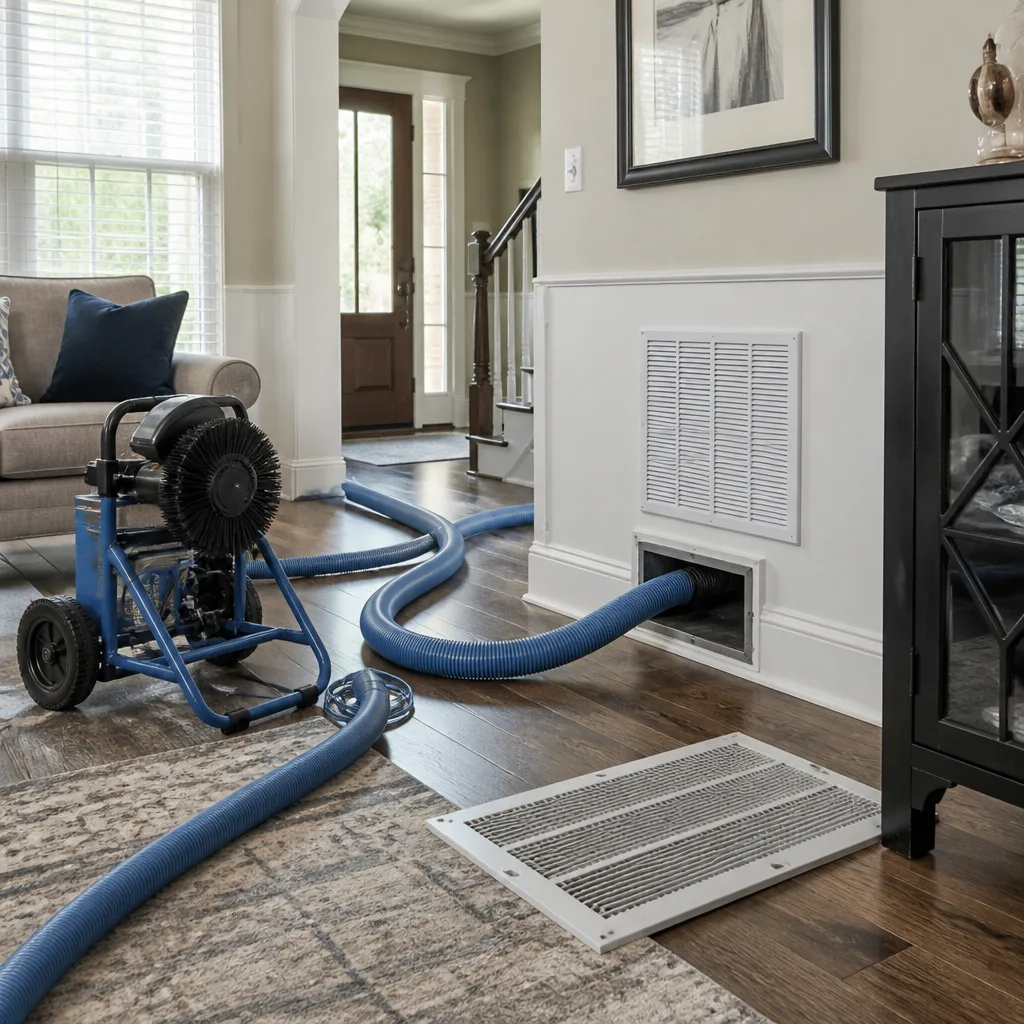 Whole-home duct cleaning
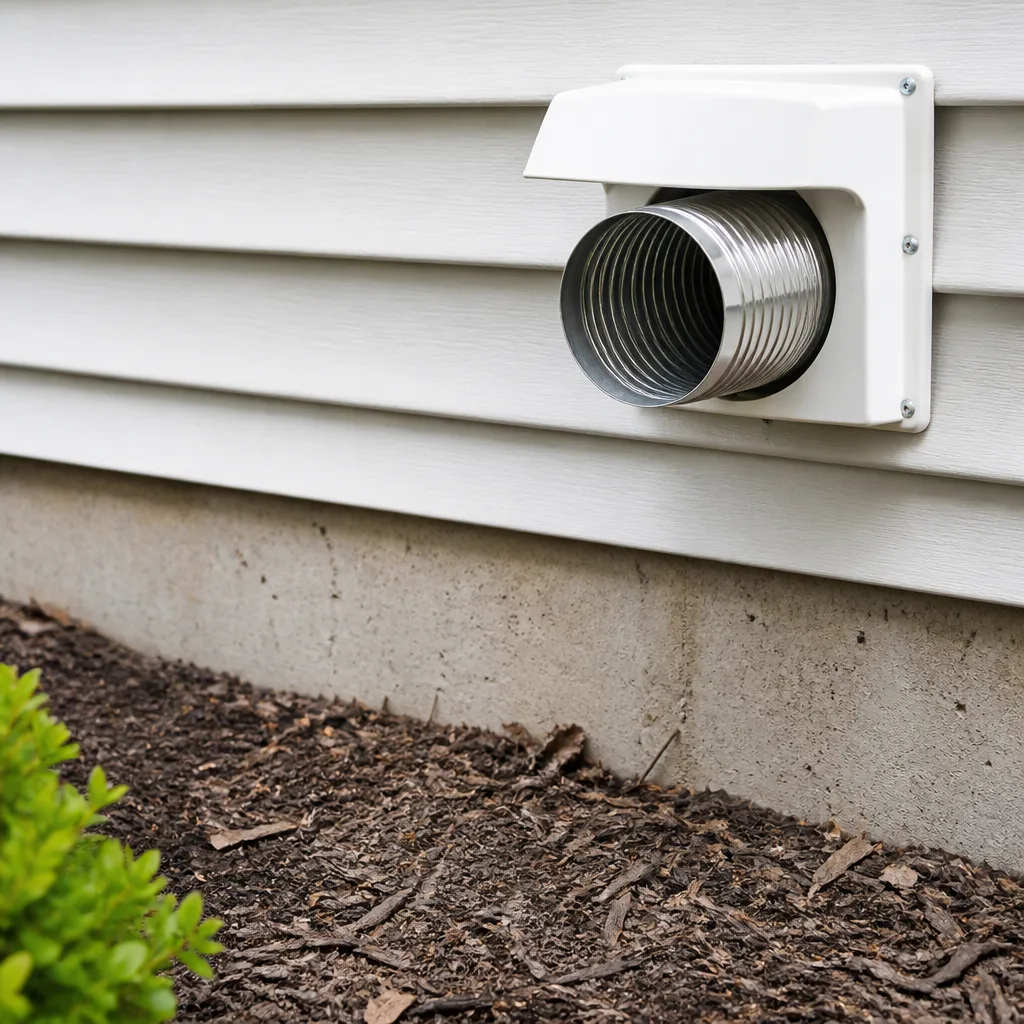 Dryer vent cleaning
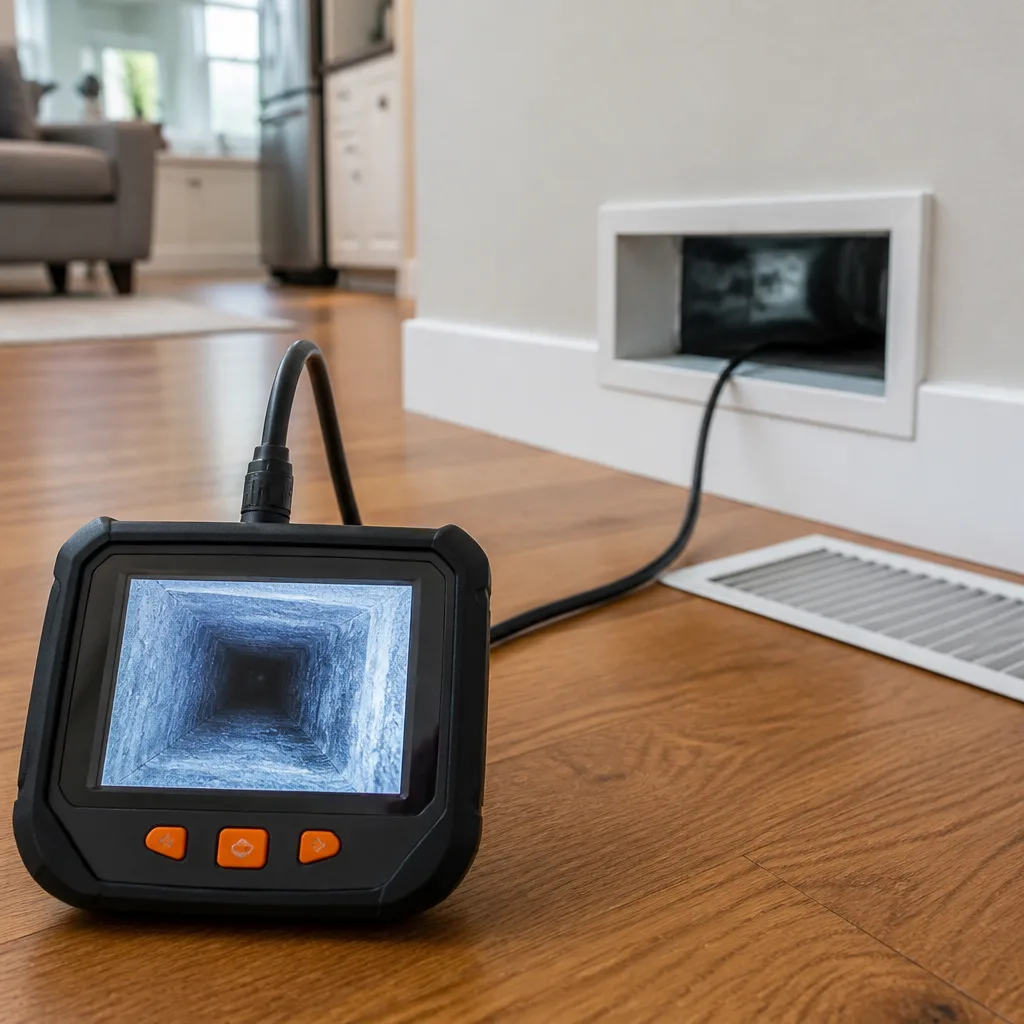 Camera inspection
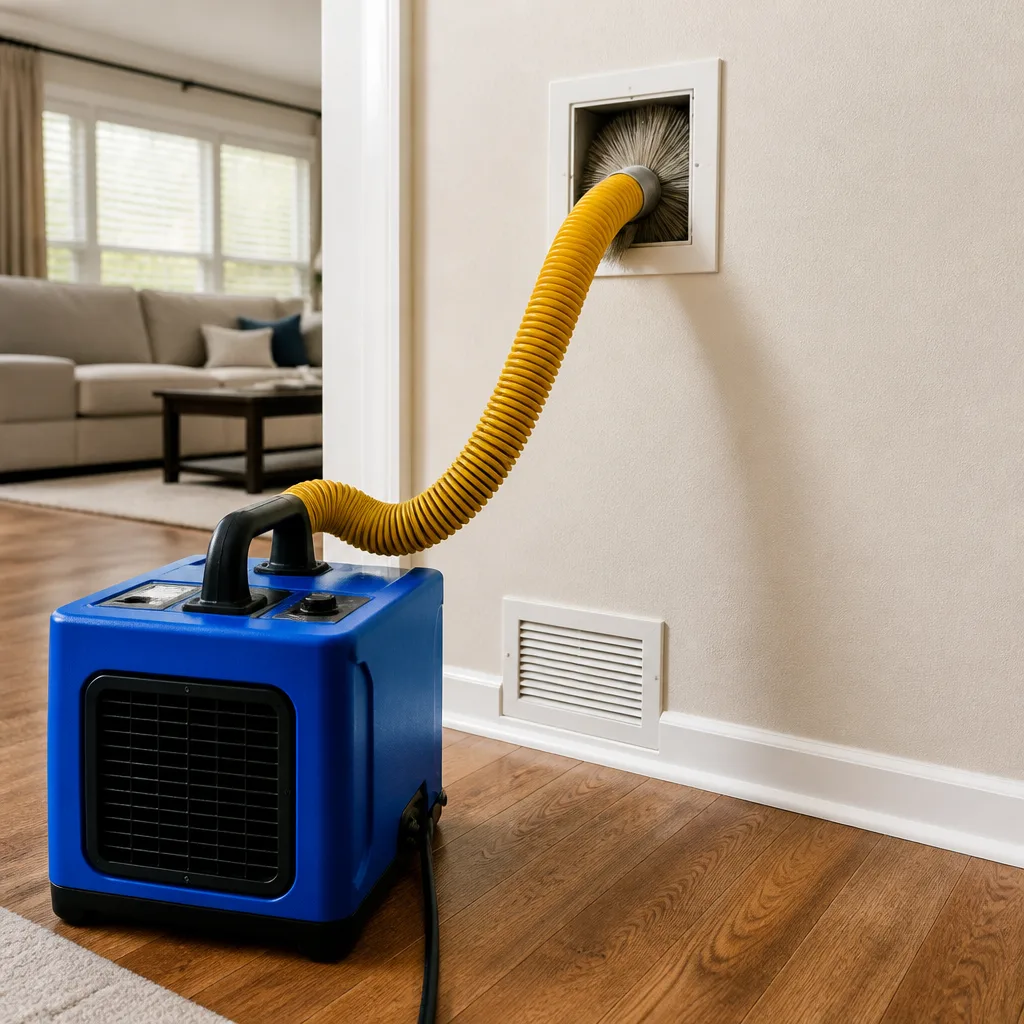 Sanitizing & deodorizing
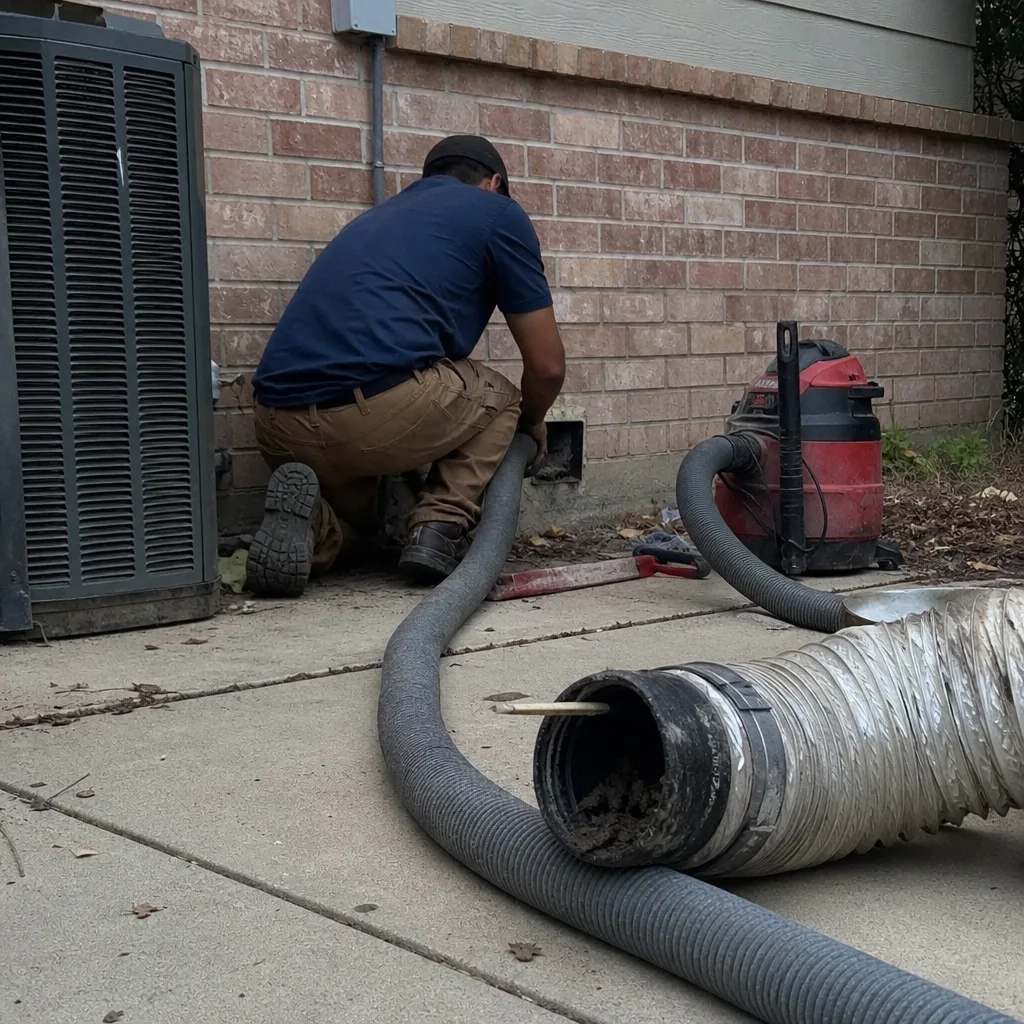
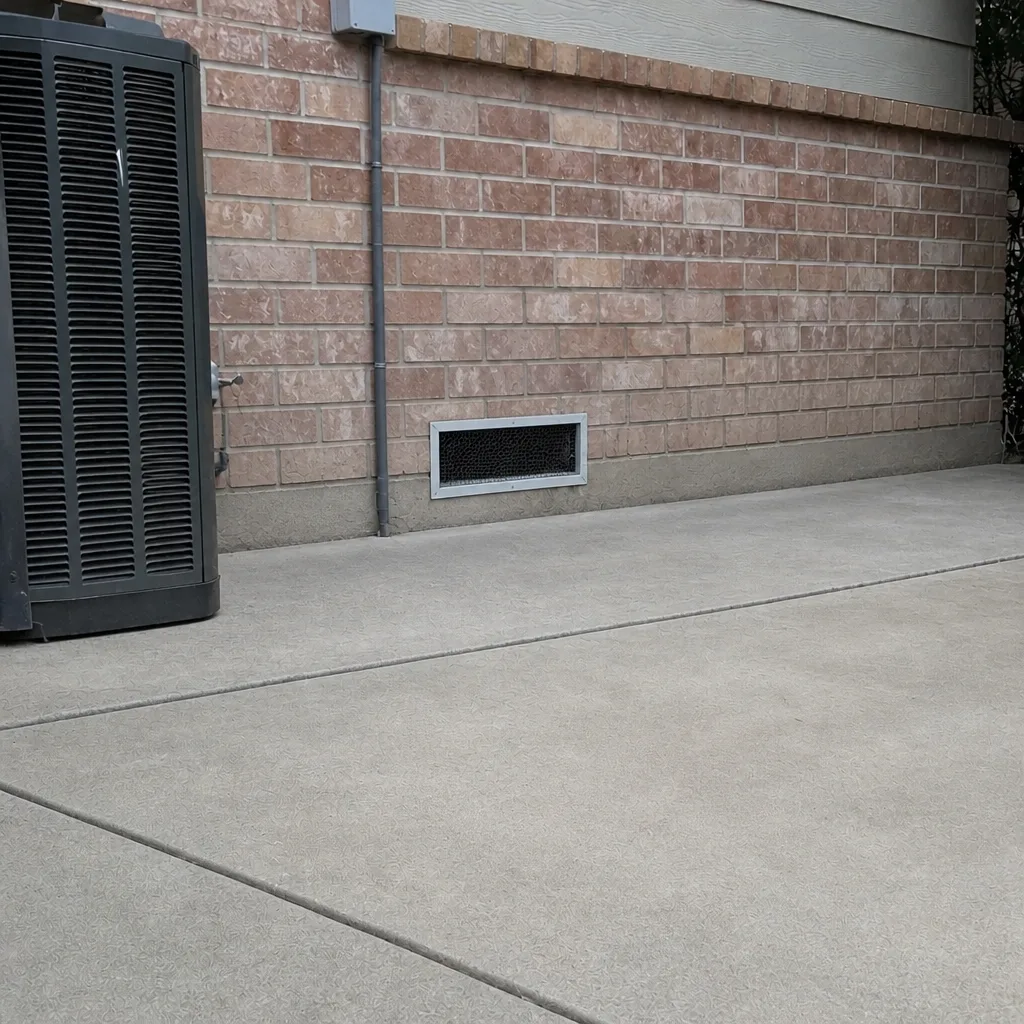
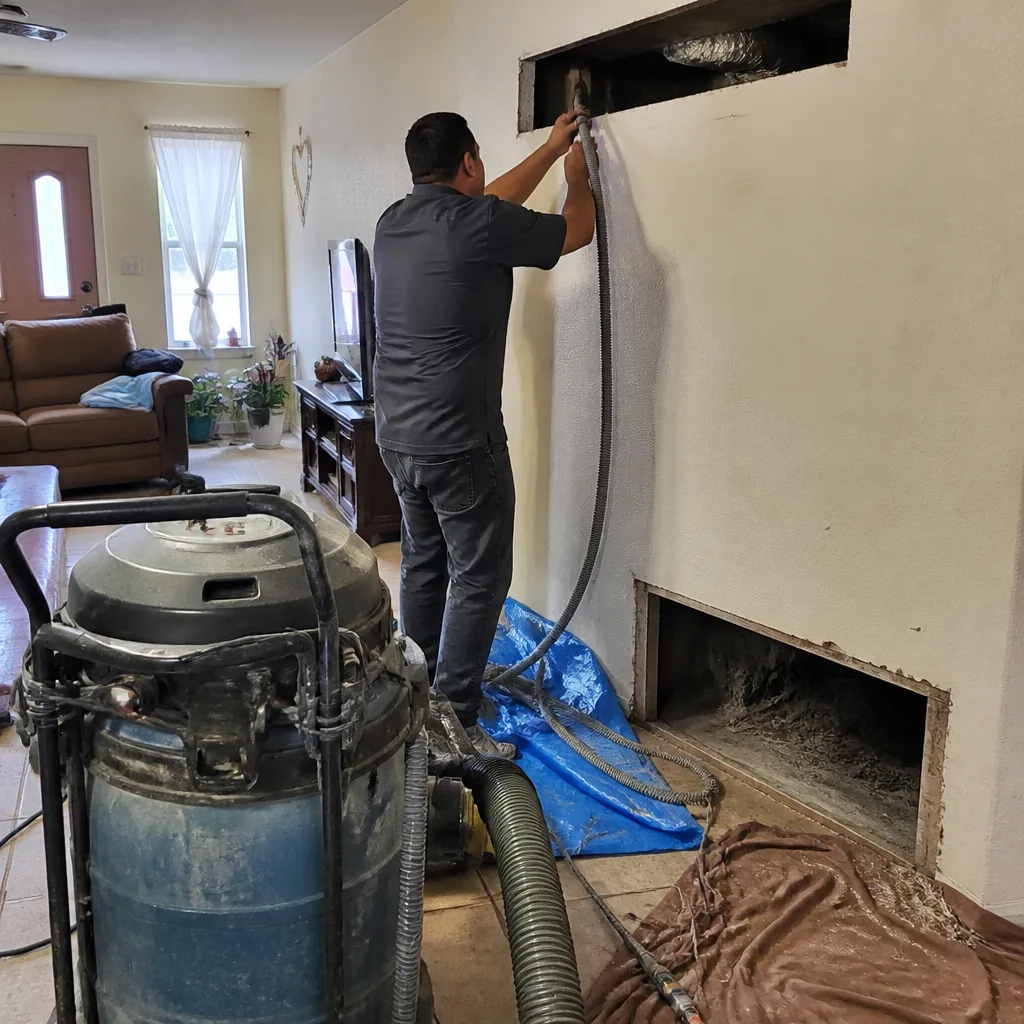
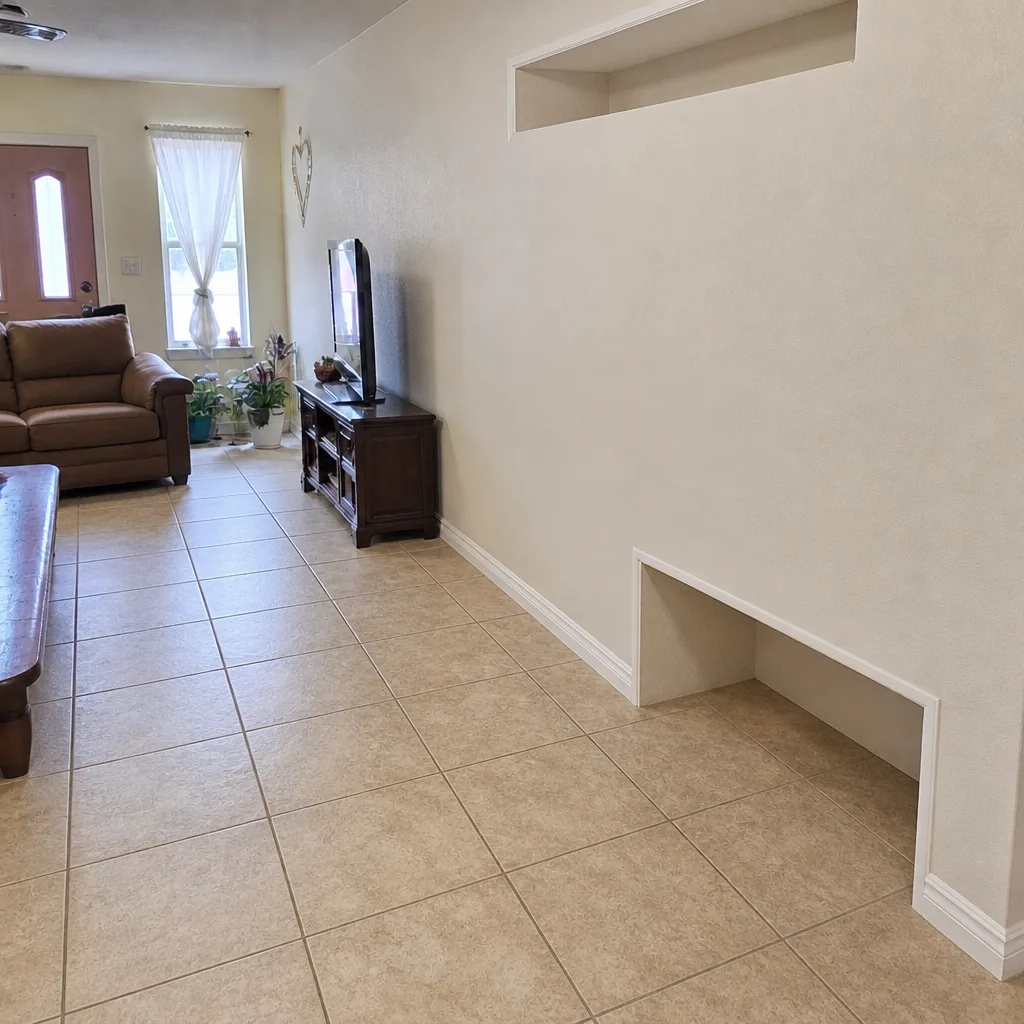
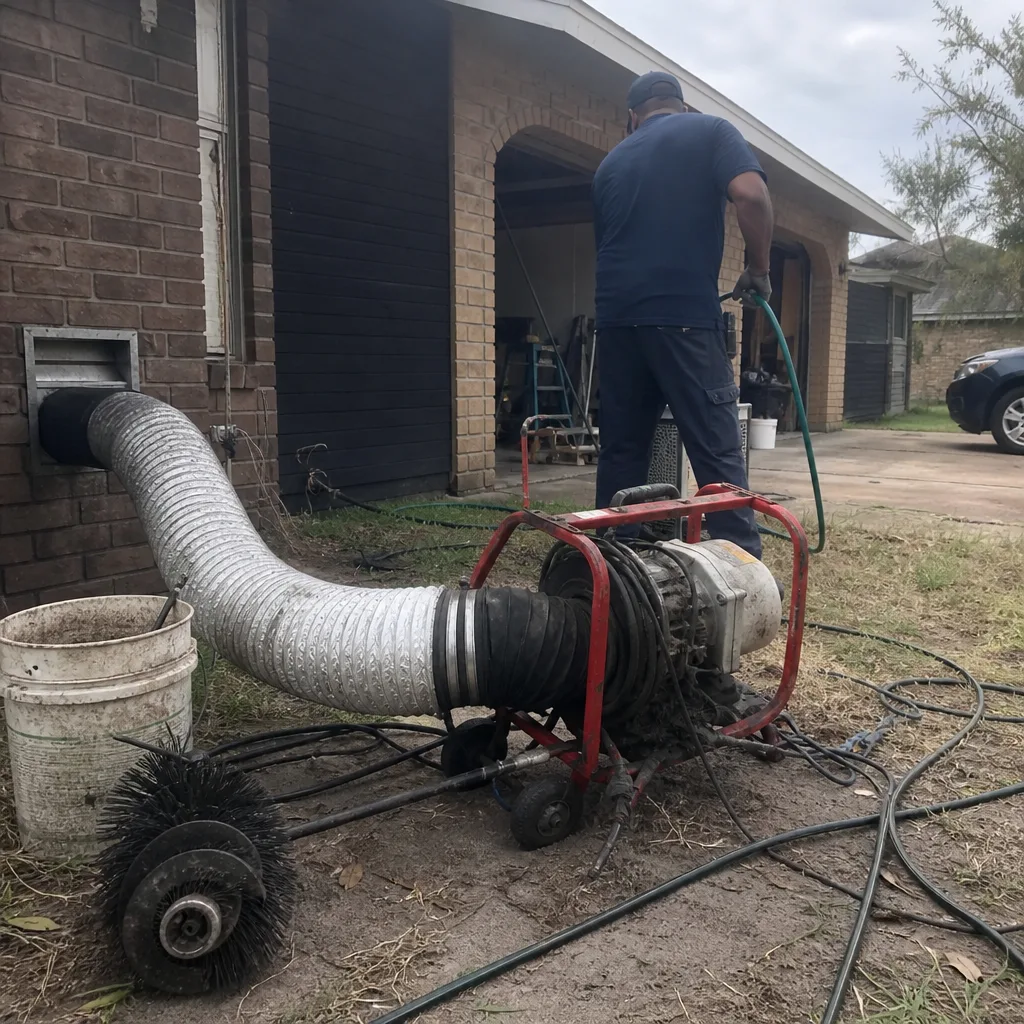
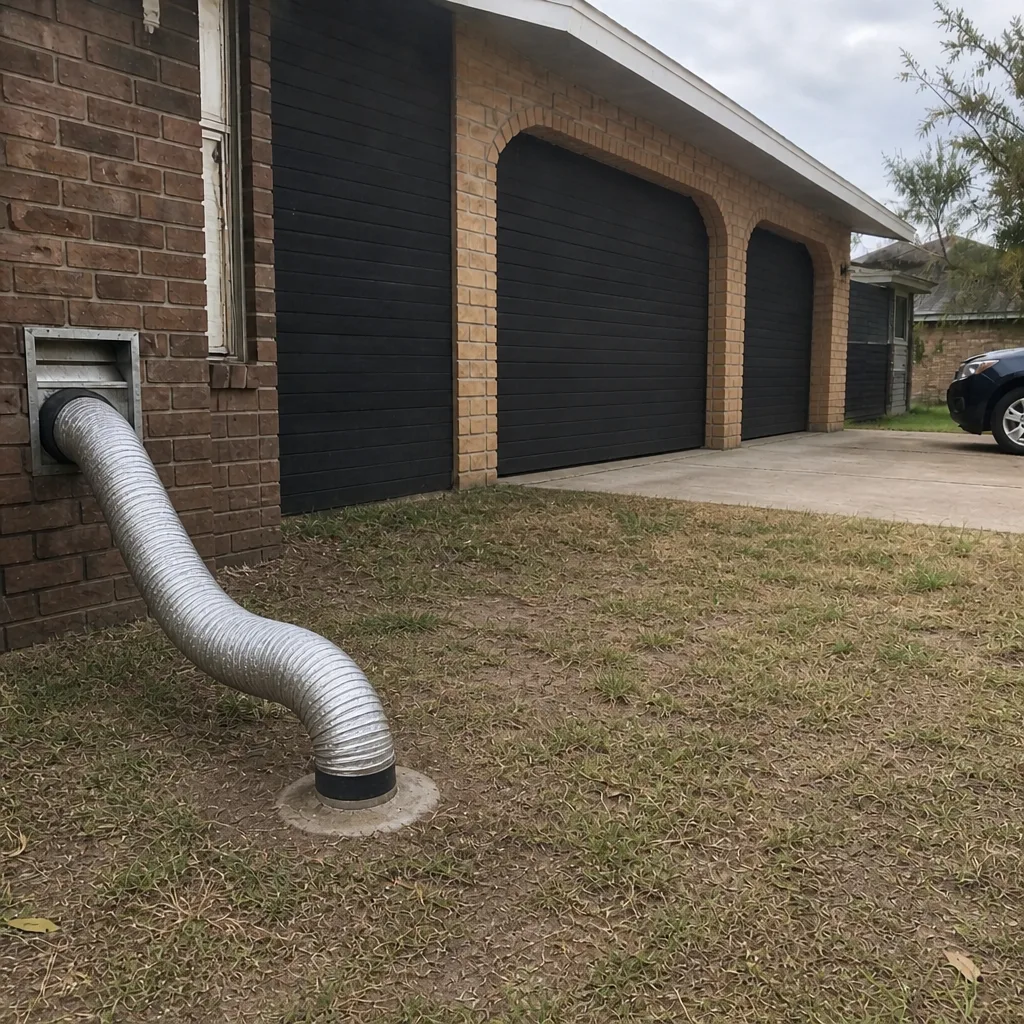
Whole-system duct and dryer vent check with before-and-after photos - you see exactly what came out of your vents
That "$99 whole-house special" is a bait ad - the real number appears once they are in your hallway, or the "clean" is a shop-vac at the register. We photograph the inside of your ducts before and after instead.
Choosing the Right Air Duct Cleaning Brand: A Buyer’s Guide for Edinburg
Most homeowners pick an air duct cleaner the way they pick a plumber: price, reviews, availability. Duct cleaning doesn’t work that way. It’s an equipment-intensive trade, and the company with the five-star reviews and a consumer-grade vacuum is not doing the same job as a shop running a Rotobrush or a Nikro negative air machine. In Edinburg, where nearly every home is built around flex duct and the cooling season runs long, the hardware a company brings through your door tells you more about the work than any number of glowing testimonials. This guide explains what the professional equipment actually does, how to ask about it, and how to read a contractor’s answer.
Quick Answer
The right air duct cleaning brand is the one that brings professional-grade, purpose-built equipment: a Rotobrush rotary brush system for agitation, a Nikro HEPA vacuum for negative-air capture, and Abatement Technologies containment when the job calls for it. Reviews and years in business are weak signals. Equipment specificity is the strong one, because a shop that invested in the right systems has a fundamentally different business model than one renting whatever’s available at the counter. Ask what they’re bringing and listen for model knowledge, not brand-dropping.
Styles & brands we work with
- Whole-home duct cleaning
- Dryer vent cleaning
- Camera inspection
- Sanitizing & deodorizing
Table of Contents
- Why Equipment Beats Reviews as a Quality Signal
- What Rotobrush Systems Actually Do, and Why It Matters in Edinburg
- Nikro and Negative Air: Portable vs. Truck-Mount
- Abatement Technologies: When Containment and HEPA Filtration Matter
- How to Ask a Contractor About Their Equipment
- Flex Duct in South Texas Homes: The Real Cleaning Challenge
- Cleaning vs. Repair: Why the Best Shops Do Both
- Dryer Vent Cleaning Is Part of the Same Conversation
Why Equipment Beats Reviews as a Quality Signal
A five-star review tells you a customer was happy. It doesn’t tell you what equipment showed up, how long the job took, or whether the technician actually reached the far end of a 25-foot flex run. Reviews measure satisfaction, and satisfaction is easy to manage when the customer doesn’t know what thorough looks like. Equipment is harder to fake. You either own a Rotobrush or you don’t. You either have a Nikro HEPA unit or you’re using a shop vac with a Home Depot hose extension.
Duct cleaning is unusually equipment-dependent compared to other home services. A plumber can do competent work with hand tools and a torch. A duct cleaner cannot do competent work with a shop vac, because residential duct systems are long, narrow, and full of turns that no consumer vacuum can reach, let alone agitate effectively. The equipment is the job.
Here’s what that means practically for a homeowner in Edinburg:
- Equipment reveals business model. A shop that invested in professional systems has overhead tied to doing this work well. That’s a different company than one that bought a $200 vacuum and markets aggressively.
- Equipment sets the floor on thoroughness. A rotary brush with simultaneous vacuum capture gets debris out. A wand with suction alone loosens surface dust and leaves the rest.
- Equipment predicts what they’ll find. A tech running a real camera and negative air machine can show you before-and-after evidence. A tech with a shop vac can’t produce anything but a smiling photo.
- Equipment tells you what they won’t do. Specialist shops that invested in this gear tend to stay in their lane. Generalists who dabble rarely buy the equipment because they can’t justify the cost.
In our experience, the equipment question sorts companies faster than any review-reading session. It’s also a question the average homeowner can ask without a technical background. We’ll show you exactly how, further down.
What Rotobrush Systems Actually Do, and Why It Matters in Edinburg
Rotobrush is a rotary brush system built specifically for residential and light commercial duct cleaning. It does two things at once: a spinning brush head agitates the interior surface of the duct, and a vacuum captures the loosened debris in the same pass. The simultaneous action is the point. Agitation without capture just moves dust around. Capture without agitation grabs whatever’s loose and leaves the rest stuck to the duct wall.
Why this matters in Edinburg more than in some other markets: most of the housing stock here uses flex duct rather than rigid metal ductwork. Flex duct is corrugated inside, which is a blessing and a curse. The corrugation creates small ridges that trap dust, pollen, and lint in a way smooth metal doesn’t. It also makes the duct harder to clean thoroughly, because a straight suction wand tends to ride over the ridges rather than into them.
A rotary brush is built for exactly that geometry. The bristles sweep into the corrugation as the head advances, breaking the debris layer loose. The vacuum pulls it back toward the collection point. In a flex duct system, that combination is the difference between a surface wipe and an actual clean.
This isn’t abstract in Edinburg. Between the spring pollen load, the dust that comes with dry stretches, and the fact that every home runs its air handler heavily for most of the year, flex ducts here accumulate debris faster than climate zones with milder cooling demands. A system that never really gets cleaned will keep recirculating that load every time the blower runs.
What to look for when a company mentions Rotobrush:
- Do they name the system specifically? “Rotobrush” is a brand name, and a company that uses it will say so without prompting.
- Do they describe simultaneous agitation and vacuum? If they talk about brushing and vacuuming as separate steps, that’s a different setup.
- Do they mention the brush head size or type? Different brush configurations suit different duct types and sizes. A company that knows their equipment will know this.
- Do they describe how they handle flex vs. rigid duct? In Edinburg, most jobs involve flex. A company that can’t explain the difference hasn’t run enough jobs here.
If you’re ready to compare quotes from companies that can answer these questions, our air duct cleaning page lays out what the process looks like from start to finish.
Nikro and Negative Air: Portable vs. Truck-Mount
Nikro builds the vacuum and negative air equipment that duct cleaners use to capture the debris the brush loosens. The key term is negative air: the vacuum pulls the duct system into negative pressure so that when the brush breaks debris loose, the air flows toward the vacuum rather than into your living room. A HEPA-rated Nikro unit captures fine particulates in the filter rather than exhausting them back into the house.
Two configurations exist, and the difference matters for larger homes:
- Portable units. The vacuum rides in on a cart or dolly. Good for standard single-story homes and tight access situations. Runs off a standard outlet.
- Truck-mount configurations. A larger vacuum is mounted in a truck and connected to the home’s duct system via hoses. Higher airflow, better for larger homes with longer duct runs and multiple systems.
The honest answer is that a portable HEPA unit does a competent job in most Edinburg homes. The point isn’t that you need a truck-mount; it’s that a company that knows the difference and can explain why they chose the configuration they bring is a company that takes the equipment seriously. If a company shows up with a shop vac and a hose, none of this is happening.
Ask a specific question: “What vacuum are you bringing, and is it HEPA-rated?” A shop running Nikro will answer without hesitation and will know the model. A shop that isn’t will deflect, generalize, or pivot to the price.
Negative air also serves a second purpose. During cleaning, it keeps your home’s air pressure slightly lower in the duct system than in the living space, which means any fine particulate that escapes the brush stays inside the duct rather than drifting into the room. That’s a small thing that shows up in the difference between a job done in a home where the family stays during the cleaning versus one where they didn’t need to.
If your home is larger, has multiple air handlers, or has had an addition put on, ask the company to explain how they size the vacuum to the system. A real answer to that question tells you a lot.
Abatement Technologies: When Containment and HEPA Filtration Matter
Abatement Technologies builds the containment and air filtration equipment used when a duct job is closer to a remediation than a routine clean. That’s a narrower situation than most homeowners realize, but it’s the one where equipment choice really separates companies.
When containment is relevant:
- Post-flood or water-intrusion situations. If the duct system has been exposed to moisture, HEPA filtration during cleaning reduces the risk that any biological material becomes airborne.
- Post-renovation jobs. Drywall dust and construction debris in the ducts is a common reason homeowners call. Containment keeps the fine particulate from migrating through the house during the cleaning itself.
- Suspected contamination. If a homeowner has a reason to believe the ducts have something growing inside them, HEPA-filtration equipment is the standard.
Note that we’re careful here. Duct cleaning is not mold remediation, and a specialist shop should say so clearly. Abatement Technologies equipment supports proper containment during cleaning; it’s not a mold treatment. If a company promises mold remediation as part of duct cleaning without explaining that they’re doing a separate scope of work, ask more questions. If you have a genuine mold concern, a licensed mold remediation professional is the right call, and duct cleaning is what happens after.
The reason containment matters as a buying signal: a shop that owns Abatement Technologies equipment has chosen to invest in the harder cases. That suggests a broader operating philosophy.
How to Ask a Contractor About Their Equipment
This is the practical part. You don’t need a technical background to ask good questions. You need to know the questions.
Here’s the script, in order:
- “What brand and model of duct cleaning equipment are you bringing?” Listen for Rotobrush, Nikro, or another named professional system. A vague answer (“professional equipment”) is a warning sign.
- “Is your vacuum HEPA-rated or negative-air?” Either answer is fine; both mean they’re capturing, not recirculating. A “we use a shop vac” answer means stop.
- “How do you handle flex duct?” In Edinburg, nearly every home has it. A real answer involves brush configuration and vacuum sizing. A fake answer is generic.
- “Can you show me before-and-after evidence from my own ducts?” Camera work during the job, photos after. A shop with real equipment can do this. A shop with a shop vac can’t.
- “Do you handle duct repair as well, or just cleaning?” A specialist who can fix what they find is worth more than one who flags issues and walks away.
- “What does the written estimate cover?” One flat price per system, agreed before work starts, is the standard. Per-vent pricing invites surprises.
A company that invested in real equipment will answer most of these without hesitation. The tell isn’t whether they know the brand names; it’s whether they know their own equipment at the model level. “We run Rotobrush” is a better answer than “we use professional equipment.” “Our Nikro is a portable HEPA unit sized to your system” is a better answer than “our vacuum is really powerful.”
You can run this script with Duct Cleaning Edinburg or any other specialist. The goal is that you walk away knowing what’s coming into your home before anyone shows up.
Flex Duct in South Texas Homes: The Real Cleaning Challenge
Most of the residential construction in and around Edinburg uses flex duct, and that shapes how the job has to be done. Flex duct is a spiral wire core with an inner liner and an outer jacket. The inner liner is what the air touches, and its corrugated surface collects debris in the valleys between the wire coils.
Three things that follow from this:
- Independent hangers matter as much as cleaning. If the flex duct sags between hangers or has a kink from a rough install, airflow is restricted at that spot regardless of how clean the interior is. A company that flags this and fixes it is doing you a real service; one that cleans around a kinked run is going through the motions.
- Brush pressure needs to be right. Too aggressive and the rotary brush can damage the inner liner. Too light and it skips the corrugation. A trained technician adjusts for the duct. This is one reason equipment doesn’t work without experience behind it: our technicians have up to 10 years of experience with this exact kind of setup.
- Access points are often the bottleneck. Flex duct running through soffits and tight chases needs the right access strategy. A job that only reaches the first few feet of a run from the register isn’t a full clean.
If you’ve had a renovation, a new build walk-through, or you’ve noticed airflow problems in specific rooms, flex duct is usually where the answer lives. A company that can talk you through the mechanics of flex duct cleaning without getting defensive is a company you can trust to actually do it.
If you’re comparing companies across the Rio Grande Valley, our guide to Edinburg gives you local context on what these homes typically need.
Cleaning vs. Repair: Why the Best Shops Do Both
Here’s where the specialist positioning matters most. A duct cleaning company that only cleans has a built-in incentive to clean around problems. A run with a crushed section, a disconnected joint, or a tear in the inner liner doesn’t get better with cleaning. It gets cleaned and then the problem persists. The homeowner keeps wondering why their airflow is still off.
Air duct repair as a standalone service changes the equation. When the technician finds a damaged run, they can fix it in the same visit rather than handing you a list of items to call someone else about. In practice, this is what the difference looks like:
- Disconnected joints where a flex run has pulled loose from a takeoff get reconnected and sealed, rather than left to leak conditioned air into the attic.
- Crushed or kinked sections get replaced so the airflow the system was designed for is actually delivered.
- Tears in the inner liner get repaired or the run replaced, rather than cleaned and left in place.
- Sagging runs get re-supported so the duct doesn’t collect moisture and debris in the low spot.
“We clean it, and if it’s damaged, we fix it” is a different promise than “we clean it and note what’s wrong.” It’s also a promise that requires the equipment and skill to back it up, which is why fewer companies make it.
Dryer Vent Cleaning Is Part of the Same Equipment Conversation
Dryer vents accumulate lint every load. That lint is highly flammable, and clogged dryer vents are a leading cause of residential fires nationally. Most pure duct cleaners skip this service because it’s a separate specialty. A specialist that includes it in the scope is giving you a genuine safety outcome alongside the air quality one.
Dryer vent cleaning uses different equipment than duct cleaning: long flexible brush rods, a vacuum, sometimes a camera. Ask whether the company uses purpose-built dryer vent equipment or adapts their duct cleaning tools. The former is the standard; the latter is a compromise.
If you haven’t had your dryer vent cleaned, it’s worth booking alongside the duct job. You can see what’s involved on our dryer vent cleaning page. The two services together cover the two biggest air and fire-risk systems in a typical Edinburg home, and doing them in one visit is more efficient than two.
Common Mistakes to Avoid
- Choosing on price alone. A quote that’s dramatically lower than the others usually means less equipment and less time. Ask what the quote covers before comparing numbers.
- Accepting “professional equipment” without specifics. In Edinburg, ask for brand names. A company that runs Rotobrush or Nikro will tell you; one that doesn’t will stay vague.
- Skipping the before-and-after question. If a company can’t show you photos of your own ducts, you have no way to verify the work was done. Insist on it.
- Booking a cleaner who won’t repair. A cleaning that leaves a disconnected joint or crushed run in place doesn’t fix the airflow problem you called about. Ask about repair scope up front.
- Forgetting the dryer vent. It’s a separate service, but it’s part of the same home air and safety picture. Don’t book the duct work and skip the vent.
- Falling for a coupon price that balloons. The industry has a reputation for bait-and-switch for a reason. Ask for one flat price per system, in writing, before anyone shows up.
- Not asking about flex duct. If your home has flex duct (most Edinburg homes do) and the company doesn’t have a real answer about how they clean it, keep calling.
See the difference
 Before
 After
 Before
 After
 Before
 After
When to Call a Professional
Call a specialist when you notice airflow dropping in specific rooms, when you’ve just finished a renovation or bought a home with unknown duct history, when family members have allergy or respiratory symptoms that seem linked to indoor air, or when it’s been more than a few years since the last cleaning. Call sooner if you’ve had any water intrusion near the duct system, if you see visible debris at the registers, or if your dryer is taking longer than it used to (that’s usually the vent). Don’t wait for a visible problem to book a dryer vent cleaning; the buildup isn’t visible from the outside. Duct Cleaning Edinburg offers free estimates in Edinburg, and we can walk you through what your specific system likely needs. Call (877) 566-6144. We answer 24/7. Fast dispatch from 7am to 7pm, Sunday through Friday.
Frequently Asked Questions
Rotobrush and Nikro are the two systems most worth asking about. Rotobrush handles the rotary brush agitation that flex duct needs, and Nikro provides the HEPA-rated negative air capture that keeps debris out of your living space. The combination is what a thorough job looks like. A company that runs both is set up for the reality of Edinburg homes. Call (877) 566-6144 for an exact quote on your system.
Pricing depends on the number of systems, the length of the runs, and whether repair work is needed. We set one flat price per system based on a written estimate, agreed before work starts, and we don’t quote per vent. That’s different from the coupon-style pricing that turns into a bigger invoice once the technician is on site. Call (877) 566-6144 and we’ll walk through your home’s setup for a free estimate.
Cheap quotes usually reflect cheaper equipment and less time on the job. A shop vac and a wand can technically be called “duct cleaning,” but it doesn’t agitate the duct interior or capture fine particulate the way a Rotobrush and Nikro setup does. The quote tells you which job you’re buying. If a number sounds too good, ask what equipment is coming and how long the visit will take. Call (877) 566-6144 for an honest comparison.
Before-and-after photos of your own ducts. Ask up front whether the company will provide them. A shop with real equipment will photographically document what they pulled out of the system; a shop without it typically won’t. Insist on this before booking. Call (877) 566-6144 to schedule an estimate.
Every few years for most homes, sooner after a renovation, a move into a new home, or if you have family members with allergies. The long cooling season here means the system runs heavily, which means more air cycles through the ducts and faster accumulation. Homes with pets or recent construction should think in shorter intervals. Call (877) 566-6144 and we’ll help you decide based on your situation.
We clean dryer vents as a separate service, and we strongly recommend it alongside duct cleaning if you haven’t had it done. Dryer vent lint is a real fire risk, and it’s not visible from the outside of the vent. It uses different equipment than duct cleaning. Call (877) 566-6144 and we can book both in one visit.
The Bottom Line
The equipment a duct cleaning company brings is a better quality signal than their reviews. Rotobrush handles the agitation that flex duct in Edinburg homes actually needs. Nikro supplies the HEPA capture that keeps debris out of your living space. Abatement Technologies matters when the job involves containment. A shop that runs this equipment has a different business model than one that shows up with a shop vac, and that difference shows up in the work. Ask what they’re bringing. Ask for before-and-after photos. Ask whether they can repair what they find. If a company answers those questions confidently, you’ve found your specialist.
If you’d like to compare notes with a shop that can answer every question in this guide, call Duct Cleaning Edinburg at (877) 566-6144 for a free estimate. We answer 24/7. Fast dispatch from 7am to 7pm, Sunday through Friday.
Written by the team at Duct Cleaning Edinburg.