
Last updated November 15, 2026
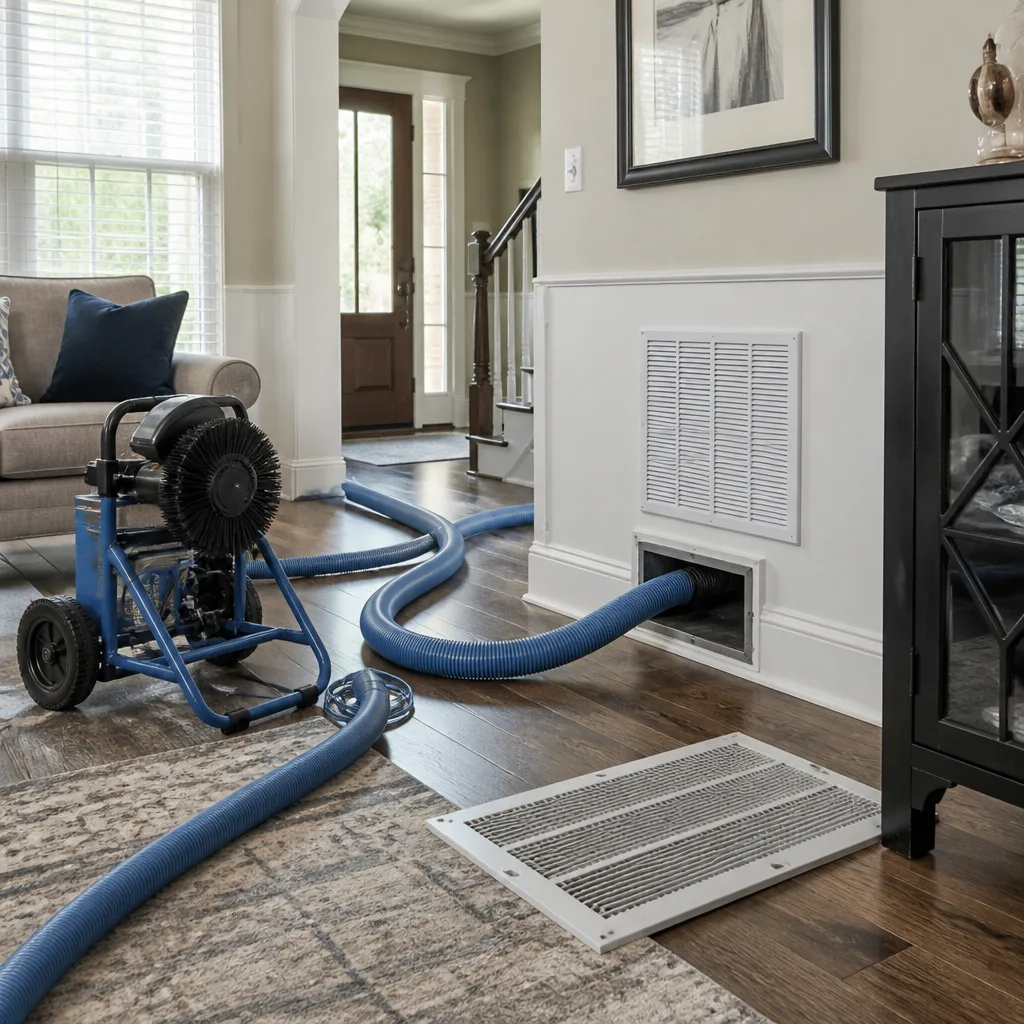 Whole-home duct cleaning
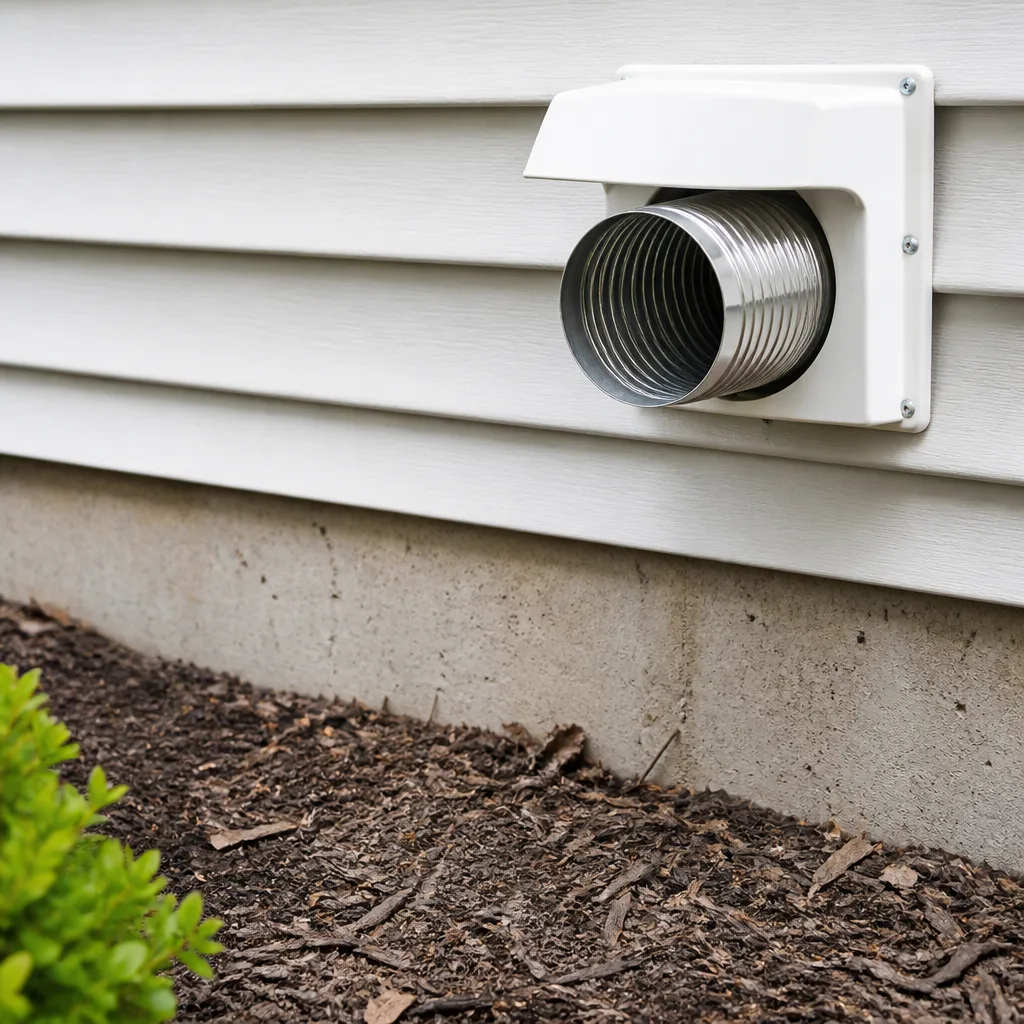 Dryer vent cleaning
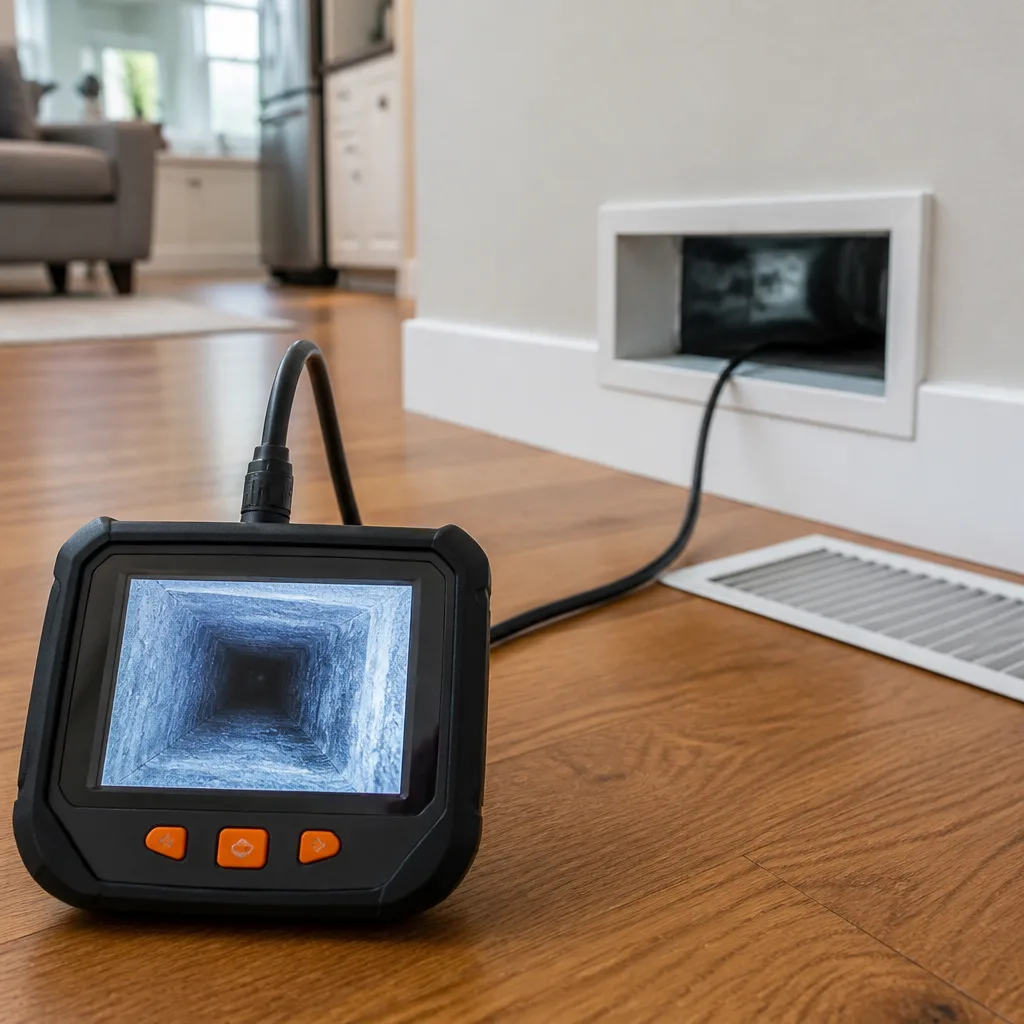 Camera inspection
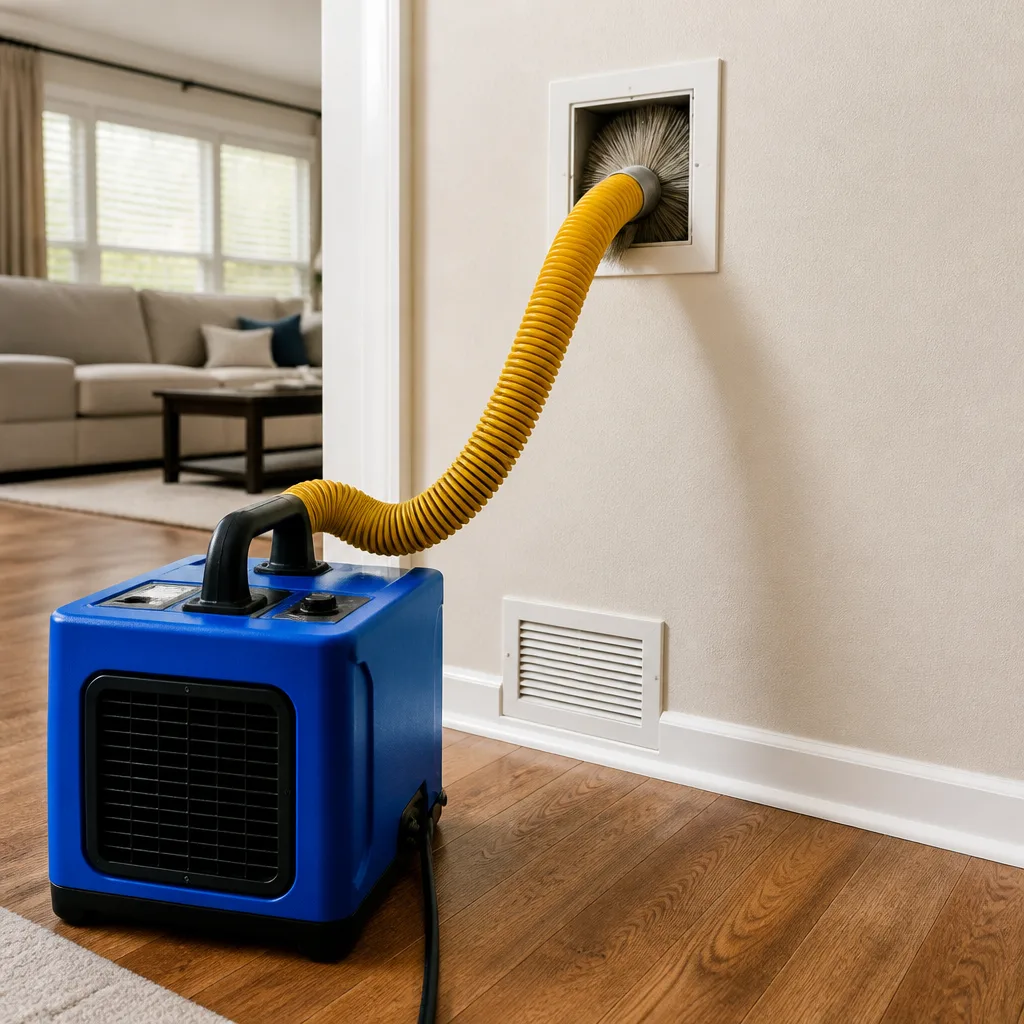 Sanitizing & deodorizing
Whole-system duct and dryer vent check with before-and-after photos - you see exactly what came out of your vents
That "$99 whole-house special" is a bait ad - the real number appears once they are in your hallway, or the "clean" is a shop-vac at the register. We photograph the inside of your ducts before and after instead.
The Complete Guide to Air Duct Cleaning in Edinburg
Most air duct guides are written for climates where systems rest for months. In Edinburg, your AC runs 10-plus months a year, and that changes everything about how fast ducts load with debris and when cleaning is actually necessary. A house that sits under air conditioning nearly year-round pulls a continuous stream of pollen, dust, and humidity through the same flex ductwork day after day, with almost no off-season to reset. National recommendations built around mixed climates don’t map cleanly onto that reality. This guide is built around it instead: how Rio Grande Valley humidity accelerates debris accumulation, why the usual 3-to-5-year interval is too long here, which equipment classes fit which jobs, what a legitimate cleaning scope actually includes, and how to read a post-cleaning report so you know the work was done right. It’s written for homeowners who want real answers, not a coupon.
Quick Answer
Air duct cleaning in Edinburg is a source-removal process: a technician opens access points, agitates the duct interior with a rotary brush or air whip while negative pressure holds debris in a HEPA-rated vacuum, and verifies the result before closing up. In South Texas homes where the AC runs almost continuously, most duct systems need attention on a shorter interval than the national 3-to-5-year guideline, and the only way to know your system’s condition is a proper inspection. Cleaning without source removal, negative pressure, and documented before-and-after evidence is not the same service.
Styles & brands we work with
- Whole-home duct cleaning
- Dryer vent cleaning
- Camera inspection
- Sanitizing & deodorizing
Table of Contents
- Why Edinburg’s Climate Changes the Duct Cleaning Equation
- Humidity, Flex Duct, and Debris That Feeds Mold
- How Often Do Edinburg Ducts Really Need Cleaning?
- Truck-Mount vs. Portable Negative Air: Which Equipment Fits Your Job
- What a Legitimate Cleaning Scope Includes (and What “Blow-and-Go” Skips)
- How to Read a Post-Cleaning Report
- When Ducts Need Repair, Not Just Cleaning
- Dryer Vents: The Other Duct System in Your Home
Why Edinburg’s Climate Changes the Duct Cleaning Equation
Air conditioning in Edinburg isn’t a seasonal amenity. For most of the year the system is running daily, cycling air through the same supply and return ducts with only brief windows of rest in the mild winter months. Every hour of runtime is an hour your ducts are pulling indoor and outdoor air past the blower, through the filter, and into the distribution system. Filters catch a lot, but they don’t catch everything, and the residue that gets past them settles on duct walls where it accumulates.
That runtime pattern matters because duct contamination is a function of two things: how much material enters the system, and how long it has to settle and bond to surfaces. A home in a mixed climate might run the AC a few months and heat a few months, giving ducts long idle stretches. In Edinburg, the system stays busy, and the debris layer builds without pause.
Three local factors compound this:
- Heavy pollen seasons. South Texas spring and the Coastal Bend’s grass and tree pollen load pushes fine particles into return air intakes, especially when windows are open during mild stretches.
- Persistent humidity. When ducts aren’t perfectly sealed, humid attic or crawl air mixes with cooled supply air, creating condensation conditions inside the duct.
- Dust from construction and soil. Edinburg’s rapid growth means a lot of homes near active construction, and the local soil is fine and wind-blown. That dust finds its way into return systems.
If you’re comparing what a national cleaning franchise tells you against what actually happens in a Rio Grande Valley home, the local climate is the variable most guides ignore. Read the whole picture of Duct Cleaning Edinburg services before you book anything, and ask how a company accounts for AC runtime and humidity in its cleaning scope. Most can’t answer that question. The ones who can are the ones who won’t sell you a coupon-price blow-and-go.
Humidity, Flex Duct, and Debris That Feeds Mold
Most South Texas homes built in the last few decades use flex duct for the branch runs off the main trunk. Flex duct is efficient and cheap to install, but its ribbed interior creates more surface area and more settling pockets than smooth sheet metal. In a humid climate, that ribbing does more than trap dust: it holds moisture long enough for biological growth to get a foothold on accumulated organic debris.
We’re not in the mold remediation business, and we won’t tell you a cleaning job solves a mold problem. What a proper cleaning does is remove the debris layer that feeds the conditions. If you’ve had a moisture intrusion, a leak, or visible growth on vents or registers, the right call is a qualified indoor air quality or remediation professional, in addition to a duct cleaning if the system needs it.
What you can do short of that:
- Check for disconnected or crushed flex runs. A flex duct that’s pulled tight around a corner or sagging between hangers restricts airflow, raising static pressure and pushing more dust into the quiet sections of the system.
- Look at the registers. Heavy dust settling on supply registers in a home where the AC runs continuously is a sign the duct interior is loaded.
- Watch the return air path. If the return grille is dirty faster than the filter, dust is bypassing the filter or the return ductwork needs attention.
- Note attic humidity in the off-season. A mild winter with attic condensation points to duct sealing issues worth addressing.
If your home has an Aprilaire or Honeywell whole-home air quality system tied into the HVAC, that equipment lives downstream of the ductwork. Clean duct interiors and properly sealed ductwork let those systems do their job instead of working against a debris load. The whole air quality chain matters here, which is why a duct specialist who knows these components is worth more than a generalist with a shop vac.
How Often Do Edinburg Ducts Really Need Cleaning?
The standard national recommendation for residential duct cleaning is every 3 to 5 years. In Edinburg, that interval is too long for most homes. Continuous AC runtime and heavy pollen loads mean a duct system that would take five years to load in a cooler climate can reach the same condition in two or three years here.
The real answer, though, is that interval guidance is a starting point, not a schedule. What matters is your system’s actual condition. A proper inspection should look at:
- Visible debris in the return plenum and main trunk. A technician should show you what’s there, not just describe it.
- Register dust accumulation across multiple rooms. Widespread dusting within weeks of cleaning points to a duct source.
- Airflow at the registers. Weak or uneven flow can indicate debris loading or a disconnected run.
- Recent triggers. A renovation, a new home purchase, pets, water intrusion, or a system that hasn’t been cleaned in several years all raise the priority.
- Allergy symptoms that track with HVAC use. If a household member’s symptoms worsen when the system runs, that’s a strong signal to inspect.
A useful rule of thumb for Edinburg: if it’s been more than three years since a documented cleaning and your AC has been running continuously through a full summer, it’s time for an inspection. New construction or a major renovation usually means a cleaning is warranted sooner, because drywall dust and construction debris settle in the duct system regardless of what the builder says about cleaning the registers. Use this guide alongside the air duct cleaning service details when you’re deciding on timing, and be skeptical of anyone who quotes a fixed universal interval without looking at your system.
Truck-Mount vs. Portable Negative Air: Which Equipment Fits Your Job
The equipment on the job matters more than most homeowners realize. There are two broad classes of professional duct cleaning equipment, and knowing the difference tells you whether the quote you’re comparing is apples to apples.
Truck-mount units
A truck-mount system runs high-CFM vacuum from a truck-mounted power unit through a hose into the duct system. It generates strong, sustained negative pressure and is extremely effective on large commercial duct systems, long trunk runs, and heavy debris loads. Its limitation is reach: on a residential home, the hose run from the street or driveway can be long enough that static losses reduce the effective pressure at the far end of the system.
Portable negative air machines and HEPA vacuums
Portable units, including the Nikro HEPA-rated vacuums we run, sit inside the home and connect directly to the duct system at the main trunk or access point. Reach is short, so negative pressure stays strong exactly where the work is happening, and HEPA filtration traps fine particulates instead of recirculating them into the room. For residential systems, portable negative air with HEPA filtration plus rotary brush agitation is the standard professional approach.
Where the equipment class shows up most is in containment. Abatement Technologies air filtration and containment equipment during a job keeps dust from escaping into the living space while the ducts are open. A company that can’t describe its containment setup is telling you something about the job you’re about to get.
- Rotobrush systems are purpose-built rotary brush systems for duct interiors. The brush agitates debris off the duct wall so it can be captured, which is the definition of source removal.
- Nikro HEPA vacuums capture the fine fraction that a shop vac recirculates right back into the room.
- Abatement Technologies filtration and containment equipment reduces cross-contamination risk inside the home while the work is going on.
If a company shows up with a shop vac, a drill-mounted brush, and no negative air machine, you’re getting register wiping, not duct cleaning. Ask what equipment will be used before you book. A specialist will answer without hesitation because the equipment is central to the job.
What a Legitimate Cleaning Scope Includes (and What “Blow-and-Go” Skips)
A legitimate duct cleaning is a documented, multi-step source-removal process. A “blow-and-go” service call is a technician opening a few registers, running a vacuum nozzle around for a few minutes, and leaving dust to settle back into the system. The difference between the two is the work plan, not the price.
Here’s what a proper scope includes:
- Inspection first. Access points are identified, the system layout is mapped, and problem areas are photographed before work begins.
- Containment setup. Air filtration and containment equipment is positioned before any dust is disturbed.
- Access creation. Small service openings are made at the main trunk, at branch take-offs, and at the plenum. Legitimate cleaning requires access; a service that starts and ends at the registers is skipping the system.
- Negative pressure verification. The vacuum is connected and negative pressure is confirmed before agitation starts. Debris stays in the system until it’s captured.
- Brush agitation of every run. Rotary brush and air tools are run through each supply and return run to knock debris off the duct walls.
- Capture and containment. Agitated debris is drawn into the HEPA vacuum and captured, not pushed into the living space.
- Register and vent cleaning. Supply registers and return grilles are cleaned, not just wiped.
- Access closure and verification. Service openings are sealed properly, and the technician verifies the result with photos.
The key question to ask any company: do you create access points and verify negative pressure? If the answer is vague, the scope is thin. Beyond the ducts themselves, the Edinburg market has plenty of generalists running a duct line alongside HVAC repair and installation. A specialist who does duct and vent work exclusively brings a different work plan to the job.
How to Read a Post-Cleaning Report
A post-cleaning report is your proof that the work was actually completed. If a company cleans your ducts and leaves you with nothing but an invoice, you have no way to confirm source removal happened. Ask for the report before the job begins so there’s no awkward conversation afterward.
What a useful report includes:
- Before-and-after photos of the duct interiors. Not just register photos. Photos taken inside the main trunk and at branch runs. In a system that’s been running for a few years, the before photos should show visible debris.
- Documented access points. Where each service opening was made, and confirmation it was properly sealed after.
- Equipment used. The vacuum class, the agitation tools, and the containment setup. A report naming the actual equipment is stronger than one that says “professional duct cleaning performed.”
- Individual room-by-room verification. Each supply and return run should be on the report, not just “the system.”
- Notes on any damaged ductwork. Disconnected runs, crushed flex, or deteriorated connections should be flagged, with a recommendation to repair.
If the report is a half-page invoice with “cleaned” checked, you have a receipt, not a report. Ask for photos of your own ducts. Any legitimate company will have them.
When Ducts Need Repair, Not Just Cleaning
Plenty of duct systems in Edinburg have problems that cleaning alone won’t fix. Disconnected flex runs in the attic, crushed branch ducts, deteriorated connections at the plenum, and poorly sealed take-offs all cause air loss and contamination in ways that a cleaning job addresses only temporarily. Our position here is simple: we clean it, and if it’s damaged, we fix it. That repair capability is the piece most duct cleaners skip.
Signs ductwork needs repair rather than just cleaning:
- Uneven airflow between rooms. One room cold, one room fine, and nobody can explain why beyond “the system is old.”
- Attic air getting into the living space. Dust and attic insulation fibers showing up on vents and registers.
- Sagging or pulled flex runs. Flex duct needs support every few feet; a sagging run is a static pressure problem.
- Ripped or disconnected connections at the boot or plenum. A gap at the connection leaks conditioned air and pulls in unconditioned air.
- Paint overspray or construction debris inside registers. Sometimes the ductwork was installed and never properly finished.
When you book a cleaning, the inspection should turn up any of these. If a company flags damage and walks away, ask whether they do the repair. A duct specialist who handles both cleaning and repair keeps the whole scope in one call. Fixing compromised ductwork before or during cleaning is the difference between a system that stays clean and one that re-contaminates within a season.
Dryer Vents: The Other Duct System in Your Home
Most households never think about their dryer vent until the dryer stops heating or they notice lint in the laundry room. The vent is the other duct system in the house, and its failure mode is worse than a dusty register. Lint accumulation inside a dryer vent is a leading residential fire-hazard source, and a stopped-up vent also pushes your dryer to run longer and cycle more often. We clean it, and we treat it as a safety service, not an upsell.
Signs your dryer vent needs attention:
- The dryer takes longer than it used to to dry a load, or clothes are still damp after a cycle.
- The exterior vent flap doesn’t open fully or doesn’t open at all when the dryer runs.
- Lint is visible at the exterior termination or around the vent connection behind the dryer.
- The laundry room feels humid while the dryer is running, suggesting the vent isn’t exhausting.
- The vent duct has long, flexible corrugated runs with multiple elbows, which trap lint faster than short, rigid runs.
Cleaning a dryer vent involves running the vent’s full length with rotary and air tools, verifying airflow at the exterior termination, and checking the connection behind the dryer. Anything short of that leaves lint in place. Dryer vent cleaning is a standalone service from dryer vent cleaning, and it’s the one duct service most homeowners put off until something’s wrong. Put it on a schedule alongside the air duct cleaning, and it becomes an inexpensive safety habit instead of an emergency.
Common Mistakes to Avoid
- Booking on price alone. A very low quote usually means register wiping, not duct cleaning. Ask what equipment and access points are included before you compare prices.
- Assuming “the system was cleaned” if the registers were wiped. Registers are the easiest part. The inside of the main trunk and branch runs is the actual job.
- Skipping back-and-forth verification. Accepting a job with no before-and-after photos means you have no way to confirm the work was done inside the ducts.
- Believing a fixed 3-to-5-year schedule is right for Edinburg. Continuous AC runtime in South Texas shortens the interval for most homes. Get an inspection, not a calendar.
- Ignoring damaged ductwork after cleaning. A disconnected flex run will re-contaminate the system fast. Repair is part of keeping the ducts clean.
- Forgetting the dryer vent. It’s a duct system too, and it carries a fire risk that air ducts don’t. It needs cleaning on its own schedule.
- Letting a generalist touch a specialist job. HVAC crews add duct cleaning as a side service. A duct specialist does the one job with the equipment designed for it.
See the difference
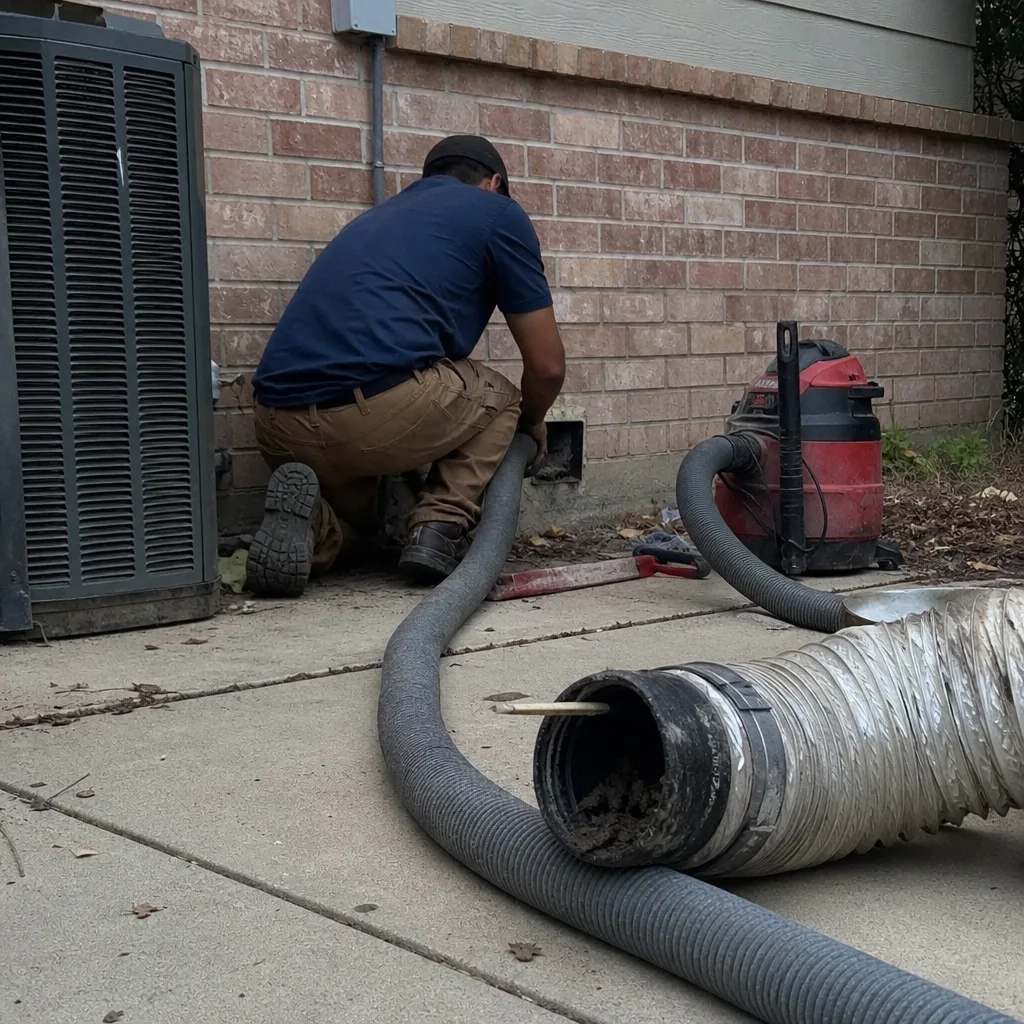 Before
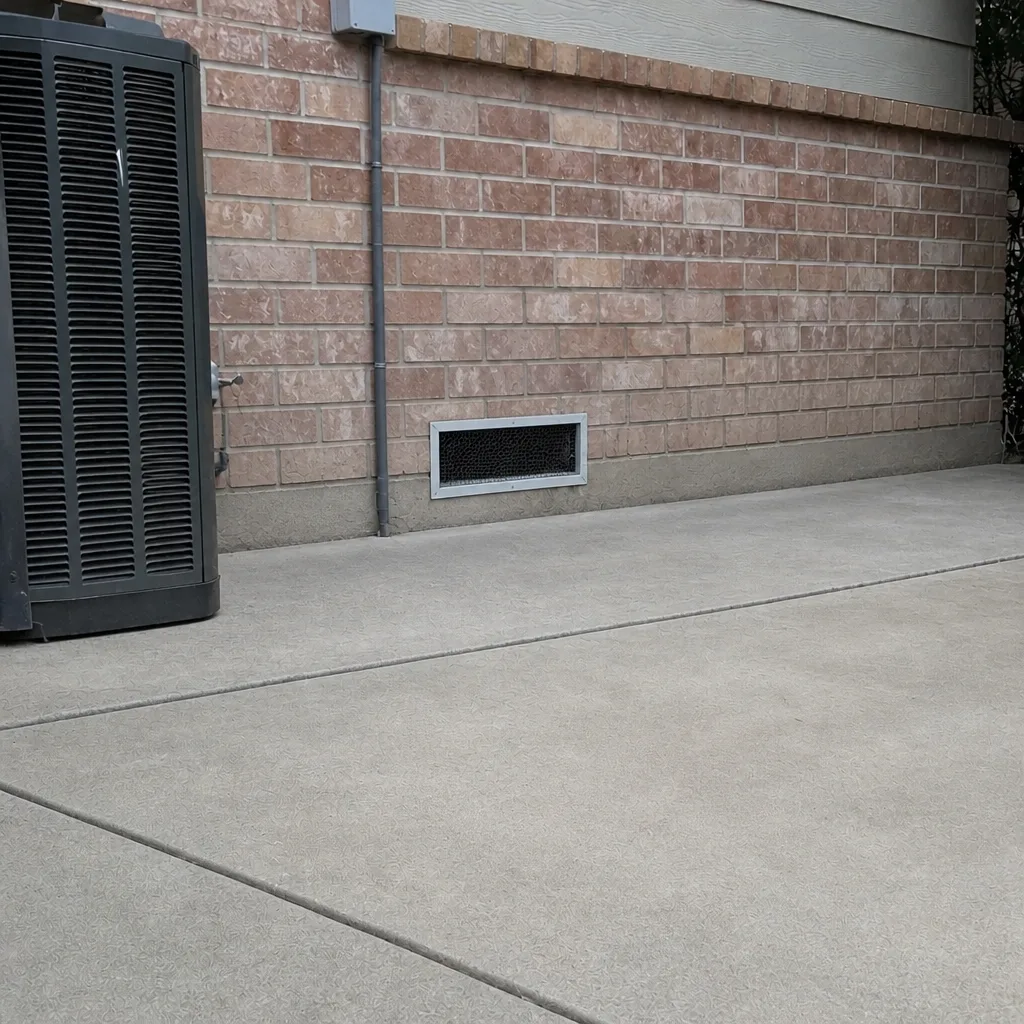 After
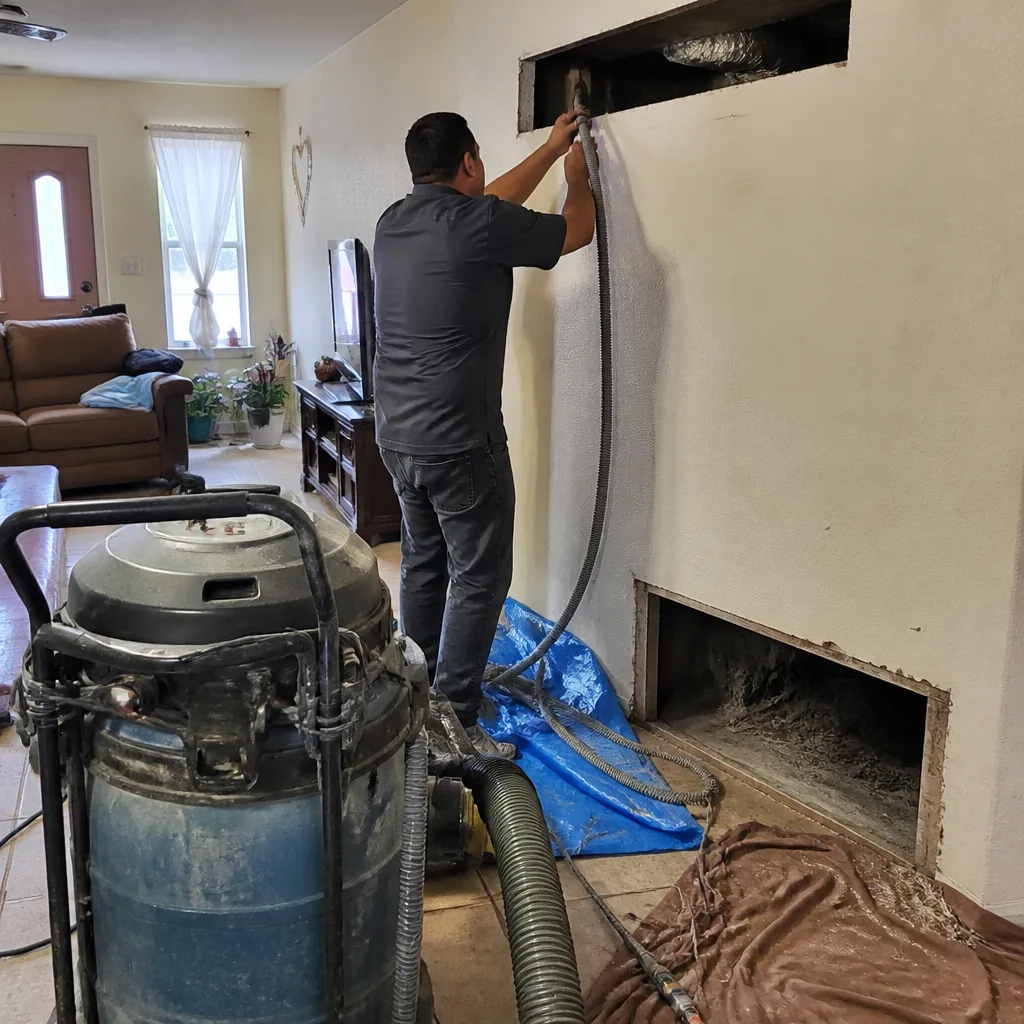 Before
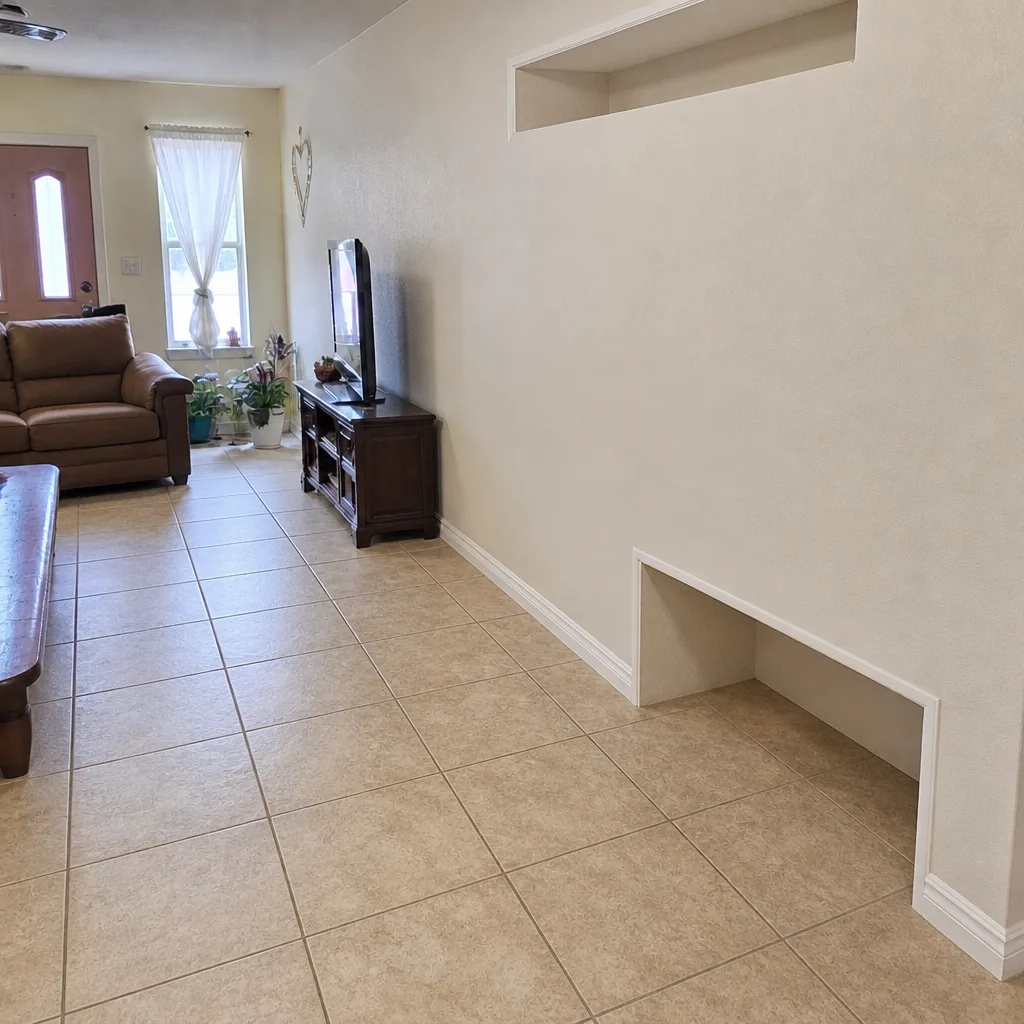 After
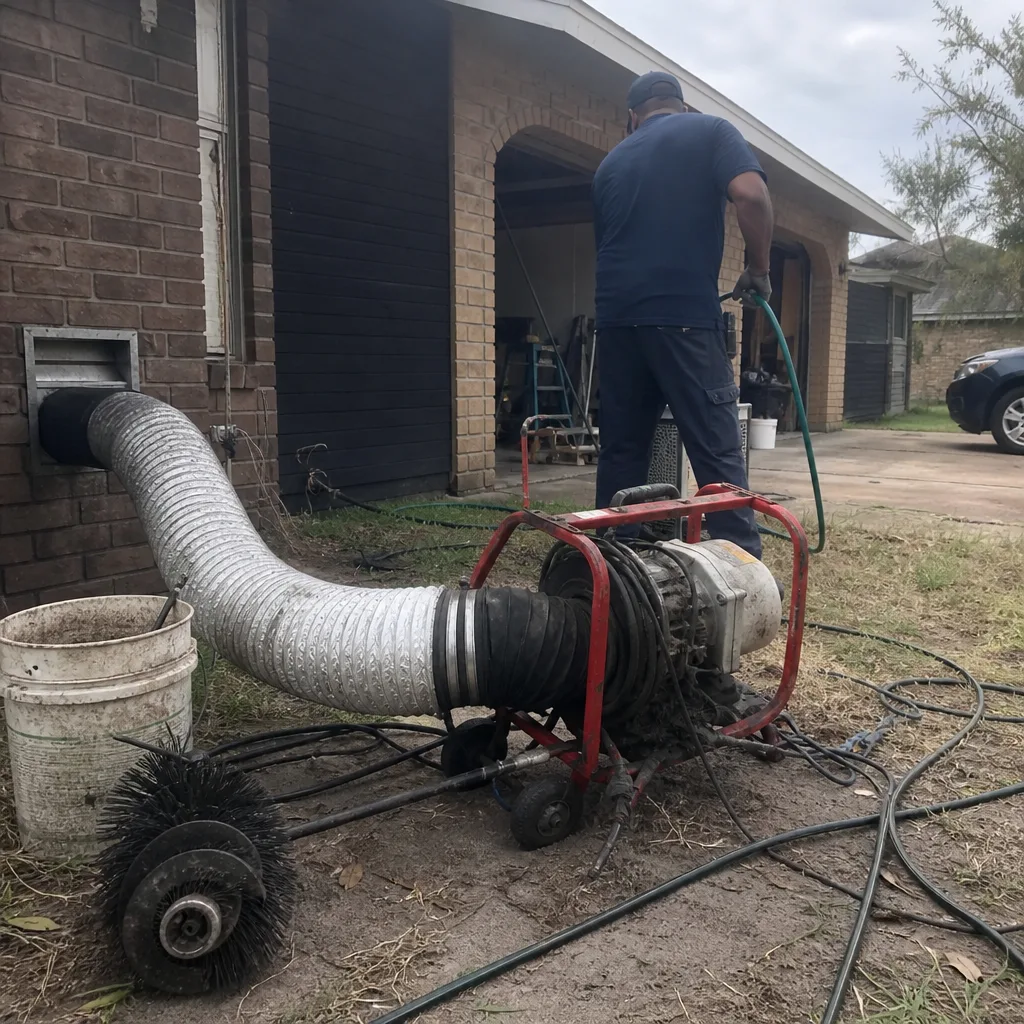 Before
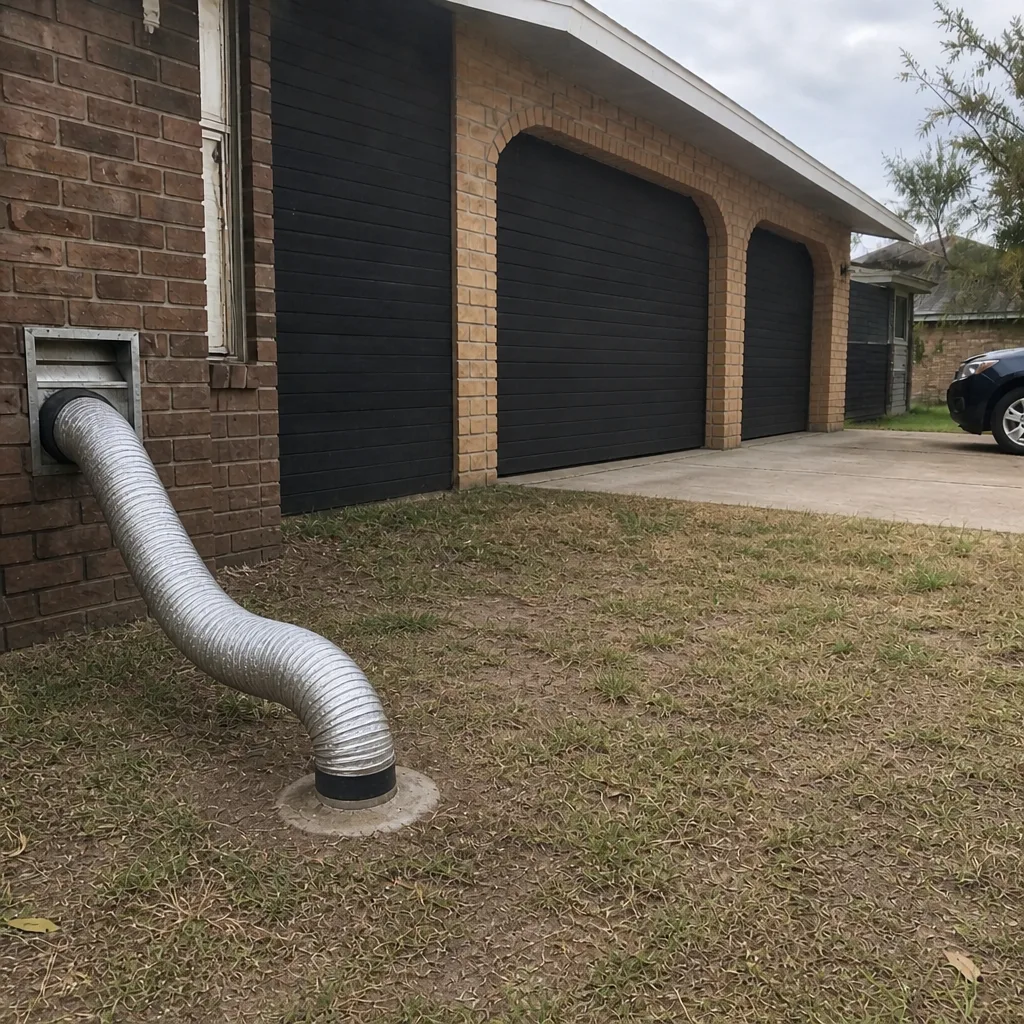 After
When to Call a Professional
Some duct situations are clearly a call, not a “watch.” If your home has recently been renovated and drywall dust is showing up in the system, if you just bought a home and have no record of when the ducts were last cleaned, if a household member’s allergy symptoms track with HVAC runtime, if the airflow between rooms is inconsistent, or if the dryer vent hasn’t been checked in years, those are all professional situations. A proper cleaning involves containment and negative air equipment that no homeowner has in the garage, and doing it badly is worse than not doing it at all. Duct Cleaning Edinburg offers free estimates in Edinburg – call (877) 566-6144. We answer 24/7. Fast dispatch from 7am to 7pm, Sunday through Friday. Our technicians have up to 10 years of experience, and the written estimate sets the price with one flat price agreed before work starts.
Frequently Asked Questions
Air duct cleaning in Edinburg is priced per system by written estimate, and the final number depends on the number of runs, access points, debris load, and whether repair is needed. We don’t quote per-vent prices or teaser coupon figures, because the number that matters is the whole-system price for your actual home. Call (877) 566-6144 for an exact quote – estimates are free, and the written estimate is what you pay.
Cheap quotes typically cover register wiping and a vacuum pass at the main trunk – not source removal inside the branch runs. The gap between a low quote and a professional one is the access work, containment, negative pressure, HEPA capture, and documentation, which take equipment and time. Ask what a company’s scope includes before you compare prices. Call (877) 566-6144 and we’ll walk you through exactly what our scope covers.
Before-and-after photos of your own ducts, taken inside the system, and a report listing each run cleaned. If a company can’t show you photos of your duct interiors before and after, you have nothing to verify the job against. We include before-and-after photos with every job. Call (877) 566-6144 to schedule an estimate and see what the report will look like.
For most Edinburg homes, sooner than the national 3-to-5-year guideline. Continuous AC runtime and heavy pollen seasons shorten the interval, and a renovation or a new home purchase usually triggers a cleaning regardless of timeline. The right answer comes from inspecting the system, not from a fixed schedule. Call (877) 566-6144 to get an inspection-based recommendation rather than a calendar guess.
Yes – dryer vent cleaning is a standalone service, and it’s a safety service rather than a bonus. Lint buildup in the dryer vent is a leading residential fire hazard, and it also makes the dryer run longer and work harder. We clean it as part of the duct and vent work we do. Call (877) 566-6144 if you’re not sure when the vent was last cleaned.
We do both. Cleaning and repair are separate services, and a duct system with disconnected, crushed, or sagging runs will re-contaminate quickly if the damage isn’t fixed. If a cleaning inspection turns up repair work, we can scope it in the same visit. Call (877) 566-6144 to talk through what your system needs.
The Bottom Line
Edinburg’s climate doesn’t follow the national duct-cleaning playbook. Continuous AC runtime, humidity, and heavy pollen seasons mean ducts load faster here, and the standard 3-to-5-year interval is too generous for most local homes. What actually matters is source removal: access points created, negative pressure verified, duct interiors agitated with professional rotary equipment, fine debris captured in HEPA-rated vacuums, and photos documenting the result inside your own system. Equipment class matters, scope matters, and documentation matters. A duct specialist who cleans, repairs, and documents the work in one scope solves more problems than a generalist with a vacuum nozzle. If you’re not sure where your system stands, the next step is an inspection, not a coupon. Call (877) 566-6144 for a free estimate. We answer 24/7. Fast dispatch from 7am to 7pm, Sunday through Friday.
Written by the team at Duct Cleaning Edinburg.