
Last updated November 15, 2026
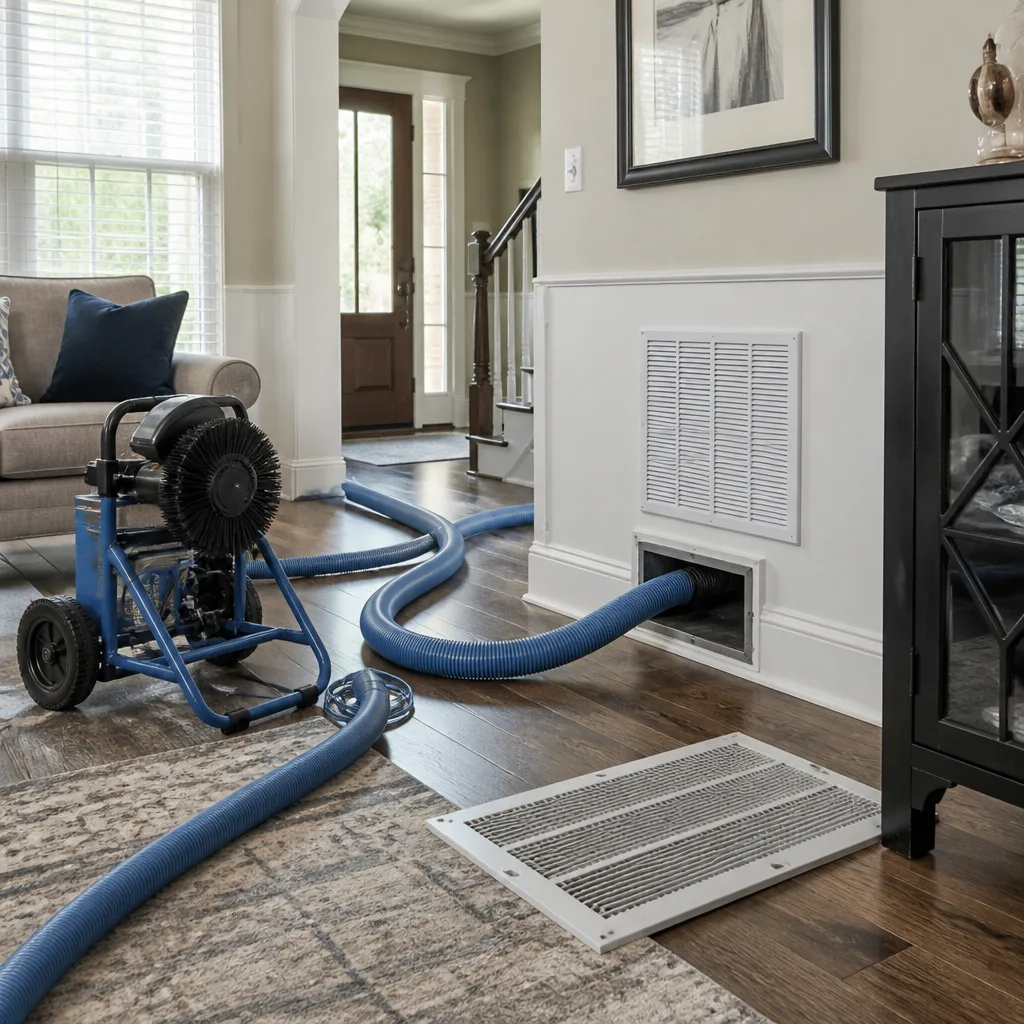 Whole-home duct cleaning
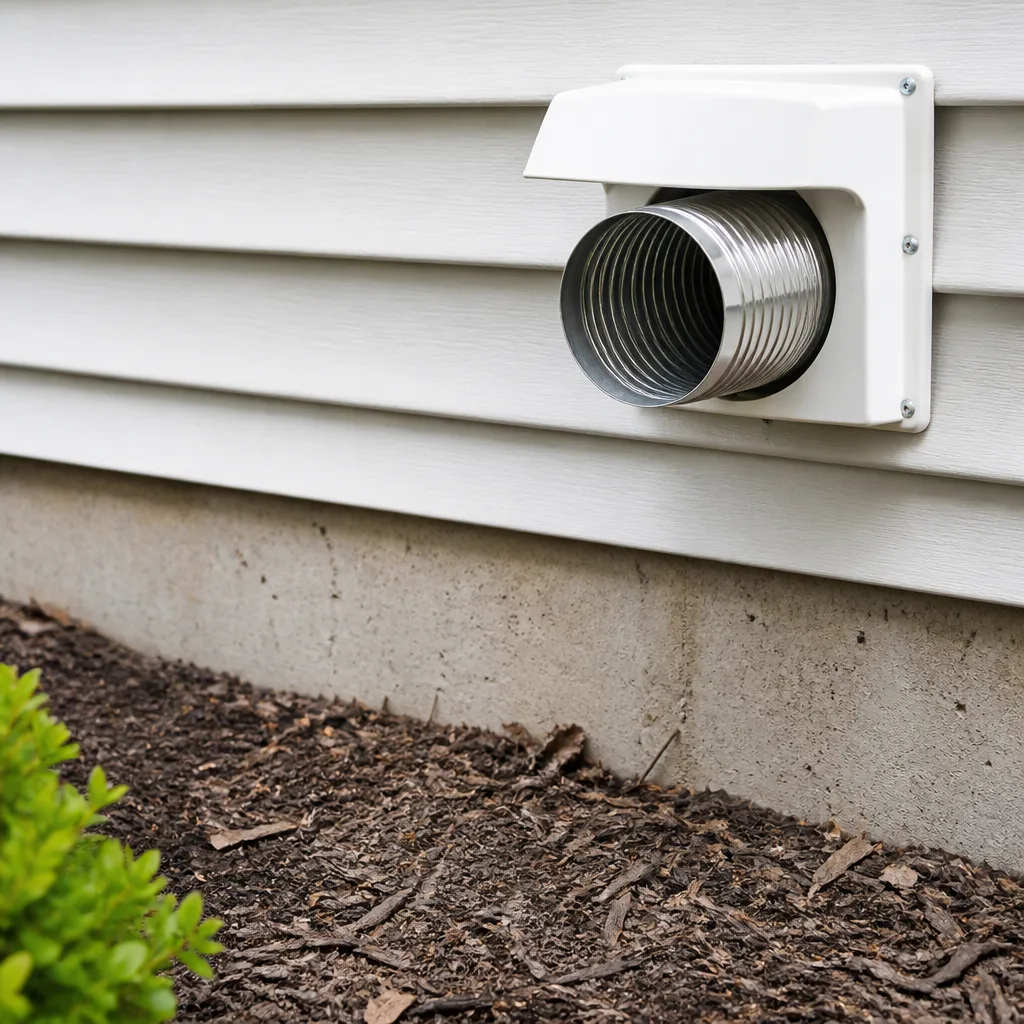 Dryer vent cleaning
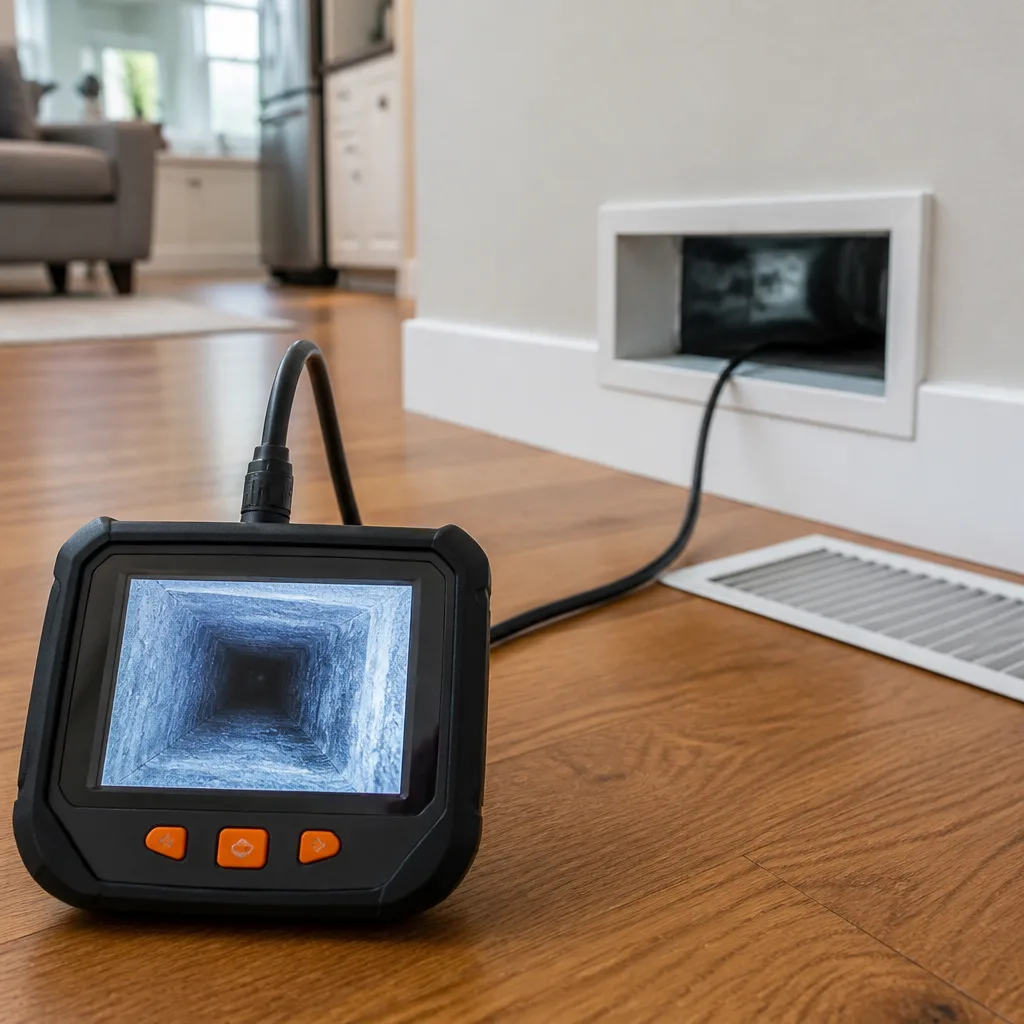 Camera inspection
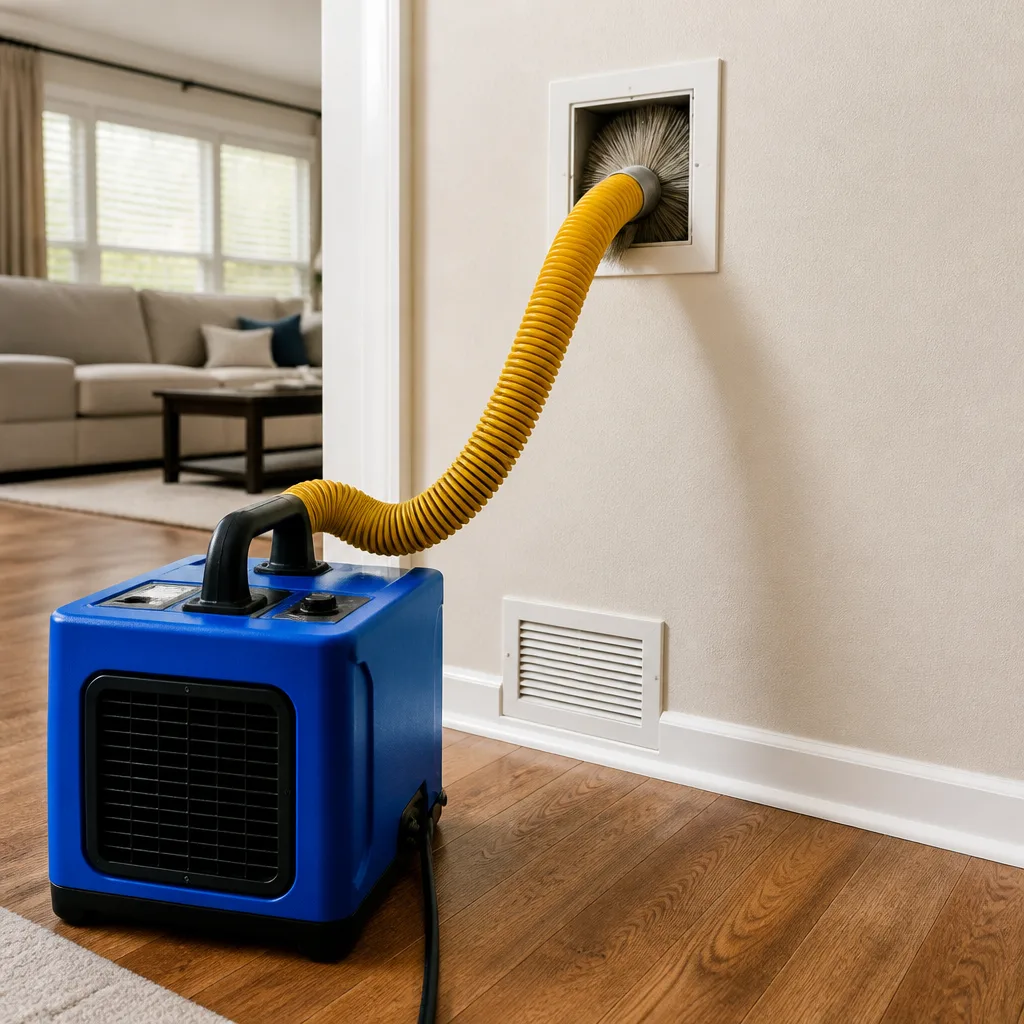 Sanitizing & deodorizing
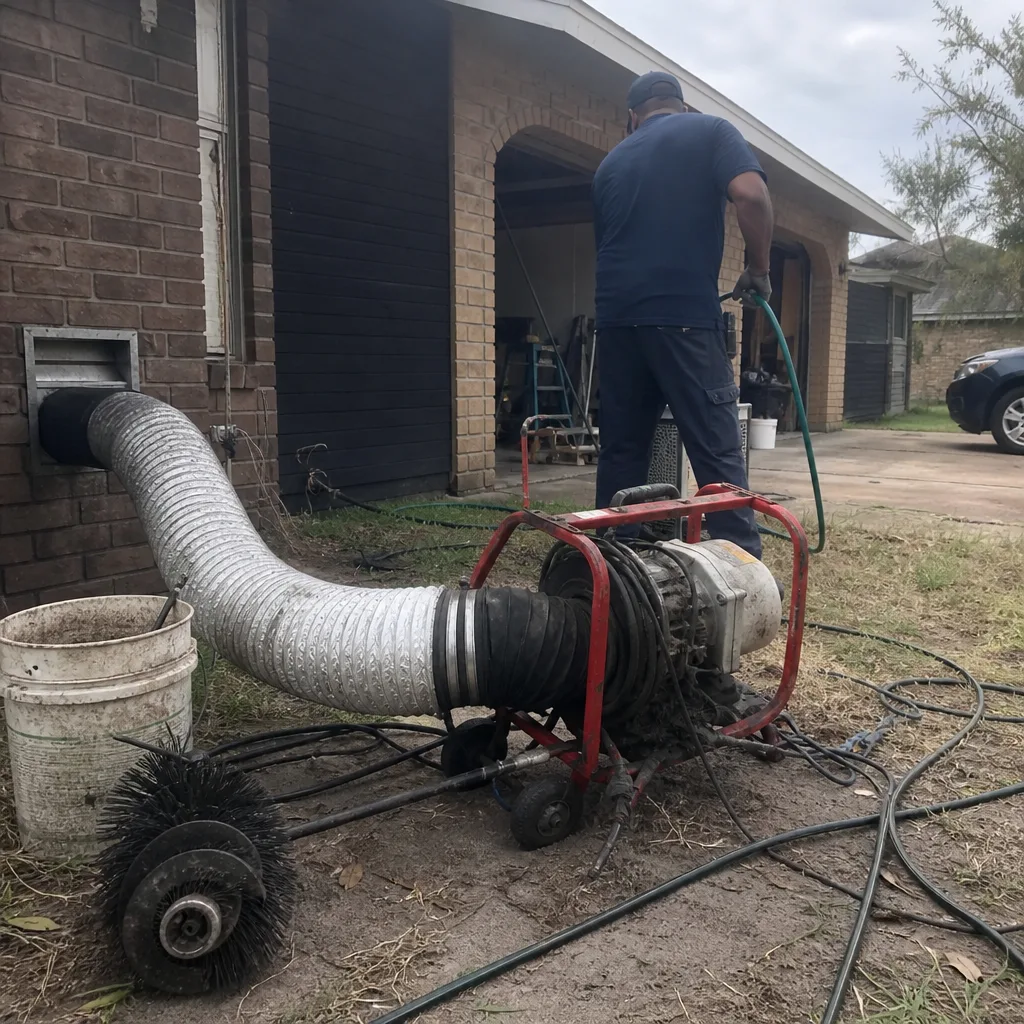
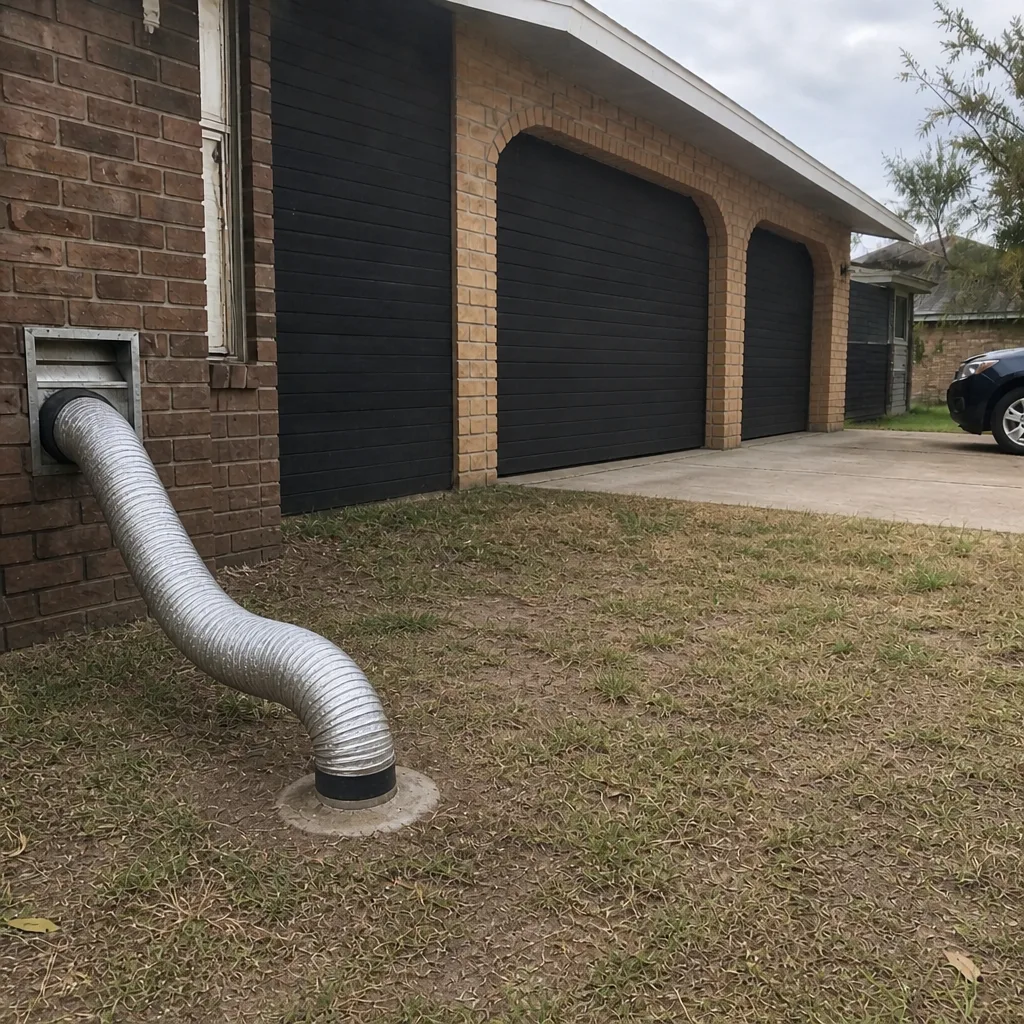
Whole-system duct and dryer vent check with before-and-after photos - you see exactly what came out of your vents
That "$99 whole-house special" is a bait ad - the real number appears once they are in your hallway, or the "clean" is a shop-vac at the register. We photograph the inside of your ducts before and after instead.
Air Duct Cleaning Maintenance Checklist for Edinburg Homeowners
Every generic duct care calendar online tells you to change the filter every 90 days. That advice was written somewhere with four mild seasons, and it breaks down in Edinburg. Down here, the cooling system runs hard for most of the year, so a filter that looked fine at day 30 can be loaded and bypassing dust into the return trunk by day 60. The whole idea of a “season” for duct upkeep doesn’t fit the Rio Grande Valley’s actual weather. What follows is a checklist timed to how homes around Edinburg really live: heavy cooling demand, a short heating stretch, and dust that moves with the wind and the work around town. You’ll get a month-by-month timeline, tool-free inspection points, and a clear line between when you DIY and when you call in professional equipment.
Styles & brands we work with
- Whole-home duct cleaning
- Dryer vent cleaning
- Camera inspection
- Sanitizing & deodorizing
Quick Answer
A practical air duct maintenance checklist for Edinburg homeowners runs on a cooling-season clock, not a calendar: inspect the filter every 30 days during peak summer, check grilles and returns monthly, and schedule professional air duct cleaning roughly every 3 to 5 years, sooner after a renovation, a new-home purchase, or if anyone in the house has allergies. Professional inspection and professional cleaning are two different services, and the checklist should treat them separately.
Table of Contents
- Why Edinburg’s Climate Rewrites the Standard Checklist
- Month-by-Month Duct Maintenance Timeline
- Filter Inspection Benchmarks for Edinburg Homes
- Visual Checkpoints You Can Do Without Tools
- Professional Inspection vs. Professional Cleaning
- Monthly, Quarterly, and Annual Routines
- Signs You’ve Missed a Step Long Enough to Call
- Common Mistakes to Avoid
- When to Call a Professional
- Frequently Asked Questions
- The Bottom Line
Why Edinburg’s Climate Rewrites the Standard Checklist
The standard 90-day filter rule assumes the system breathes easy for part of the year. In Edinburg, it mostly doesn’t. Cooling season dominates, and the air handler pulls through the filter for far more hours per year than in a northern climate. That changes the math on every task downstream: filters load faster, returns collect more, and the duct trunk handles a heavier, steadier volume of air than a seasonal-system home ever sees.
Then there’s the dust itself. Hidalgo County is agricultural country surrounded by active development, and wind carries fine particulate from fields, unpaved lots, and construction corridors. Homes near those corridors pull that material in faster. The brief winter heating window is the opposite story: short, mild, and easy to overlook. That’s exactly why it deserves a spot on the checklist. A heating system that sits idle for months then fires up is the moment a neglected return shows its hand. The system coughs, airflow drops, and the homeowner blames the furnace when the real issue is a trunk packed with debris from a cooling season nobody checked on.
So the checklist below isn’t organized by spring, summer, fall, winter. It’s organized around cooling load, shoulder months, and the short heating window, because that’s the rhythm the equipment in an Edinburg home actually follows.
Month-by-Month Duct Maintenance Timeline
Think of the year in three bands: the heavy cooling stretch, the shoulder months when demand eases, and the brief heating window. Here’s how the tasks map onto them for a typical Edinburg home.
- Peak cooling (roughly May through September): Inspect the filter every 30 days. Check supply and return grilles monthly for dust buildup and debris. Listen for airflow changes at the vents. This is when the system works hardest and particulate moves fastest.
- Shoulder months (roughly March, April, and October): Do a deeper visual pass on every accessible grille and register. Vacuum grille faces. If you have pets or anyone with allergies, this is a good window to schedule professional air duct cleaning before the next heavy run.
- Heating window (roughly November through February): Before the first cold snap, inspect the filter and returns again after months of cooling. When the heat first comes on, expect a light dust smell for a short time; a strong or persistent smell is worth a professional look. Wipe grille faces and note any gaps around the frames.
- After any renovation or move-in: Add a full inspection regardless of the month. Drywall dust and construction debris settle into returns fast, and a new-to-you home has an unknown service history.
One size won’t fit every Edinburg house, so calibrate by how hard your system runs. A smaller home with heavy cooling demand and pets can compress this schedule. If you want the underlying service explained, our guide to air duct cleaning walks through what the process actually involves.
Filter Inspection Benchmarks for Edinburg Homes
Forget the calendar for a moment and read the filter instead. The right inspection interval in Edinburg depends on three things: occupancy, pets, and how close you are to a dust corridor.
- Standard occupancy, no pets: check every 30 days during peak cooling. Change when you see a visible gray mat across the media rather than waiting for a date.
- Multiple pets or several occupants: check every 2 to 3 weeks in summer. Hair and dander load a filter quickly when the fan runs almost constantly.
- Near agricultural or construction dust corridors in Hidalgo County: check every 2 weeks through the dusty stretches and after any major wind event. Homes on the edge of active development see this most.
- Allergy-sensitive household: treat the filter as the first line of defense and hold to the shorter end of every interval.
A filter that’s fully saturated doesn’t just restrict airflow; it lets particulate slip past the media and into the return trunk, where no filter change can reach it. That’s the point where a homeowner’s routine upkeep stops mattering and the ductwork itself needs attention. Hotspots around Edinburg, from established neighborhoods near the city core to newer subdivisions on the edges, all deal with this, but the timing shifts with local dust and how hard each system runs.
Visual Checkpoints You Can Do Without Tools
You don’t need equipment to catch most early problems. A flashlight and a few minutes at each grille will tell you more than you’d expect.
- Supply grilles: shine a light into the grille and look at the duct wall just inside. A light even film is normal. A visible mat of dust, fuzz, or dark streaks means particulate is sticking, not passing through.
- Return grilles: these pull the most debris, so check them first. Look for accumulated dust on the grille face and any staining where the frame meets the wall or ceiling.
- Around the frames: gaps between the register and the opening let unfiltered air bypass the filter entirely. If you can see daylight or feel a draft at the edge, note it.
- Vent airflow: hold a tissue near a supply vent. A strong, steady flutter is healthy; a weak or flapping response suggests the system is working against a restriction.
- Dryer vent: check where the flexible duct meets the wall and look for lint collecting around the exterior vent flap. A blocked flap that won’t open freely is a warning sign.
None of this requires opening the ductwork, and none of it asks you to reach into the system. A flashlight and a tissue are enough. Anything past that is a job for someone with the right tools.
Professional Inspection vs. Professional Cleaning
Homeowners routinely use these two terms as if they’re the same service. They aren’t. A professional inspection is a diagnostic: someone with the right equipment and camera looks inside the system and tells you what condition it’s in. Professional cleaning is the actual removal of debris from the trunk lines, branches, and registers using purpose-built equipment. You can need one without the other.
An inspection makes sense when something has changed but you’re not sure it’s a cleaning problem. That covers a new-home purchase, a recent renovation, a remodeling project that stirred up dust, or a noticeable shift in airflow or smell. A cleaning makes sense when an inspection (or clear visual evidence) shows real accumulation. The confusion causes real problems: homeowners schedule a cleaning when what they needed was someone to look, or they keep wiping grilles when the trunk behind them is loaded.
This distinction matters in Edinburg because demand for duct work is high and not every quote separates the two. Ask a company directly whether they’re inspecting or cleaning. A credible specialist will answer plainly. We use Rotobrush rotary-brush systems and Nikro HEPA-rated vacuums because that’s what a real cleaning requires, and we bring Abatement Technologies containment equipment so debris doesn’t end up recirculating through your home during the job.
Monthly, Quarterly, and Annual Routines
Some tasks belong on a tight loop and others don’t. Sorting them by frequency keeps the checklist from becoming a full-time hobby.
- Monthly: inspect the filter, wipe grille faces at high-traffic returns, and check airflow at a few supply vents. Confirm the dryer vent flap at the exterior wall moves freely.
- Quarterly: do the full flashight pass at every accessible grille. Check for gaps around frames and any new staining. Review whether pets, new occupants, or nearby construction have changed your dust load.
- Annually: do a whole-system walk-through and decide whether professional inspection or cleaning is due. Pay special attention to the dryer vent and the transition points where ductwork meets the air handler.
- Event-driven: after renovations, after moving into a new home, after a stretch of heavy wind and dust, and any time airflow or smell changes noticeably.
If you want a full picture of how the professional end of this checklist works, our Duct Cleaning Edinburg resource covers the equipment and the process. The same calendar-driven rhythm applies to dryer vent cleaning, which protects a separate appliance and a separate safety concern.
Signs You’ve Missed a Step Long Enough to Call
The checklist is designed to catch problems early, but some signs mean you’ve already moved past DIY upkeep. Treat these as calls rather than to-dos.
- Visible debris inside a return: if you can see a mat of dust on the duct wall without leaning in, the accumulated load is beyond a grille wipe.
- Persistent smells when the system runs: a musty or dusty odor that lingers after the first few minutes points to material sitting inside the ductwork.
- Airflow that keeps dropping: if repeated filter changes don’t restore steady airflow, the restriction is likely inside the trunk, not at the filter.
- Recent renovation or drywall work: construction dust settles deep and won’t come out through the grilles.
- A dryer vent flap that won’t open: reduced airflow here points to lint buildup, which is a fire concern and worth a dedicated assessment.
- Allergies getting worse indoors: when symptoms track with time spent in the house, the duct system is a reasonable place to look.
One more scenario sits outside the checklist entirely: physically damaged ductwork. Crushed flex runs, disconnected joints, or sections that have come apart won’t be fixed by any amount of cleaning. That’s where air duct repair comes in, and it’s often what a generalist cleaner should flag but walks away from. We clean it, and if it’s damaged, we fix it, because it’s one specialist call instead of three.
Common Mistakes to Avoid
- Running the 90-day filter rule in Edinburg. The cooling load here can saturate a filter far faster, and debris slips past the media into the trunk once that happens.
- Treating every duct company as the same. A shop vac in the back of a pickup isn’t a duct cleaning system. Ask what brand and type of equipment goes into the job before you book.
- Confusing a cleaning with an inspection. These are different services. Booking a cleaning when you needed a diagnosis wastes money in either direction.
- Skipping the dryer vent. Many pure duct cleaners leave the dryer vent out entirely, and it’s one of the biggest fire hazards in a home. It belongs in your regular routine.
- Ignoring dust corridors. If your home sits near active development or agricultural land in Hidalgo County, you need shorter inspection intervals than a home on a protected lot.
- Cleaning when the real issue is damage. If ductwork is crushed, disconnected, or torn, cleaning won’t restore performance. Repair has to come first.
- Believing airflow problems will fix themselves. A gradual decline in airflow usually means a growing restriction somewhere in the system, not a passing phase.
When to Call a Professional
Call when a checklist item has clearly been missed for a season or longer, when you can see visible debris inside a return, when smells or airflow changes persist after a filter change, or when you’ve just bought a home or finished a renovation. Also call before the first heating window if returns look heavy after the cooling season. These are all cases where a professional inspection tells you exactly what’s needed, and whether that’s cleaning, repair, or neither.
Duct Cleaning Edinburg provides free estimates in Edinburg on air duct cleaning, dryer vent cleaning, and air duct repair. It’s one specialist scope, so you’re not dealing with a generalist sideline. Our technicians have up to 10 years of experience, and we bring professional-grade equipment including Rotobrush, Nikro, and Abatement Technologies. Call (877) 566-6144. We answer 24/7. Fast dispatch from 7am to 7pm, Sunday through Friday.
Frequently Asked Questions
Most Edinburg homes do well with professional air duct cleaning roughly every 3 to 5 years, with a shorter interval after a renovation, a new-home purchase, or in homes with pets or allergy-sensitive occupants. The 90-day filter rule doesn’t apply the same way here because cooling demand runs so much higher, so a professional inspection is the most reliable way to know whether cleaning is actually due.
No. Filter changes protect the air handler and the media, but they can’t reach debris that’s already past the filter and sitting inside the return trunk. Once that’s happened, no filter on the market removes it. That’s the point where the checklist switches from DIY upkeep to a professional inspection.
Yes. Because Edinburg’s cooling season is long, the heaviest debris loads build up during peak cooling and land in the returns by the end of summer. Scheduling cleaning in the shoulder months, before the next heavy run, gets ahead of that cycle instead of chasing it. It also means less disturbance inside the system during the busiest part of the year.
An inspection is a diagnostic that tells you the condition of the system, while a cleaning is the removal of accumulated debris. An inspection can tell you cleaning isn’t necessary yet, which saves money. Ask any company directly which one they’re quoting before you book.
Watch the exterior vent flap. If it barely opens or lint is collecting around it, airflow is restricted and lint is building up inside the run. This is a fire concern worth a professional look, and it’s a distinct service from duct cleaning.
Ask what type of equipment goes into the job. Purpose-built professional systems matter more than a nice website. We use Rotobrush rotary-brush tools, Nikro HEPA-rated vacuums, and Abatement Technologies containment equipment. We also handle air duct repair as a standalone service, so a damaged system doesn’t need a second provider. Call (877) 566-6144 for a free estimate.
The Bottom Line
An air duct maintenance checklist for Edinburg has to run on local timing, not generic calendar advice. Inspect filters every 30 days in peak cooling and more often with pets or dust exposure. Do the tool-free visual passes monthly and the deeper ones quarterly. Keep professional inspection and professional cleaning separate in your mind, and plan for cleaning roughly every 3 to 5 years. Watch the dryer vent and treat the first heating window as a real inspection point. Most importantly, recognize the signs that you’ve crossed from upkeep into needing a professional: visible debris, persistent smells, dropping airflow, or damaged ductwork. That’s where a specialist with the right equipment earns the call.
For a duct and vent system that’s been missed a season too long, call (877) 566-6144 for a free estimate. We’re the Edinburg team that cleans it, fixes it, and explains the equipment going into your system before the job starts.
Written by the team at Duct Cleaning Edinburg.
See the difference
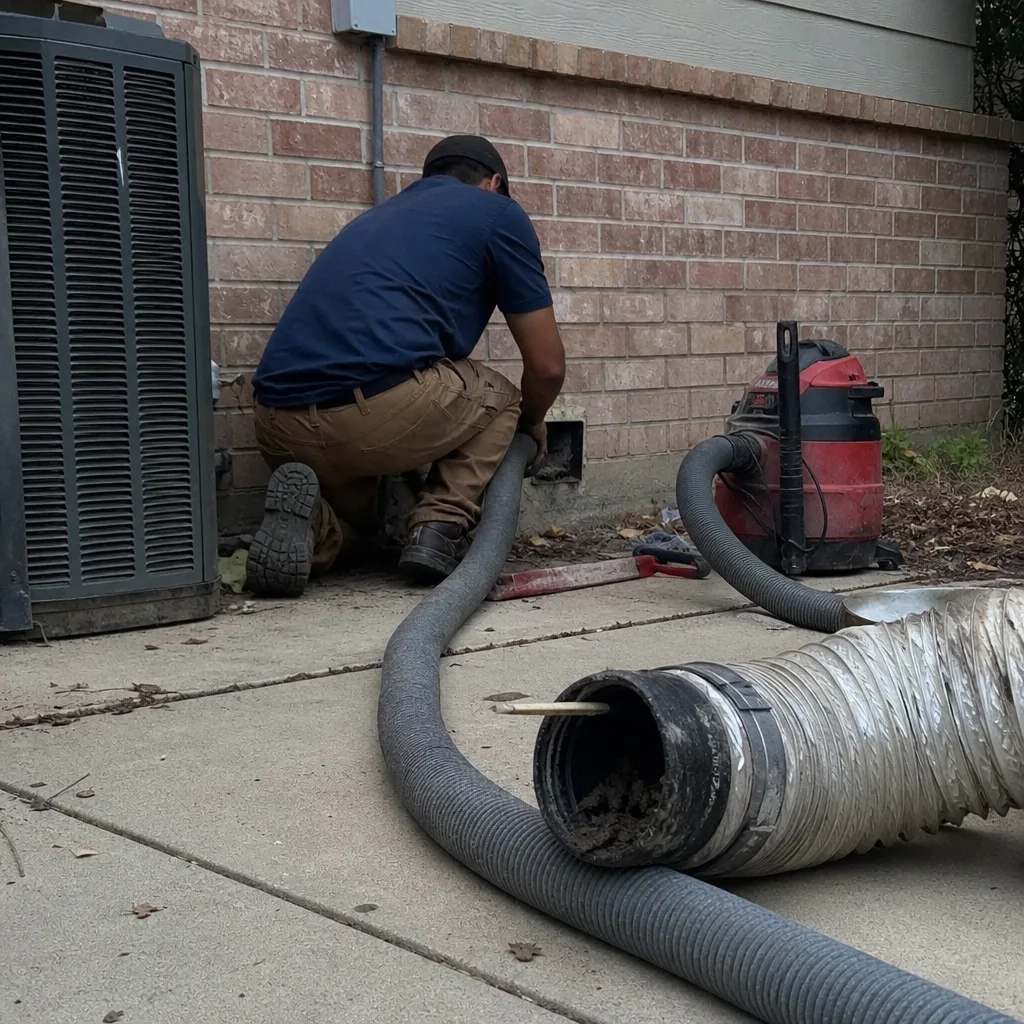 Before
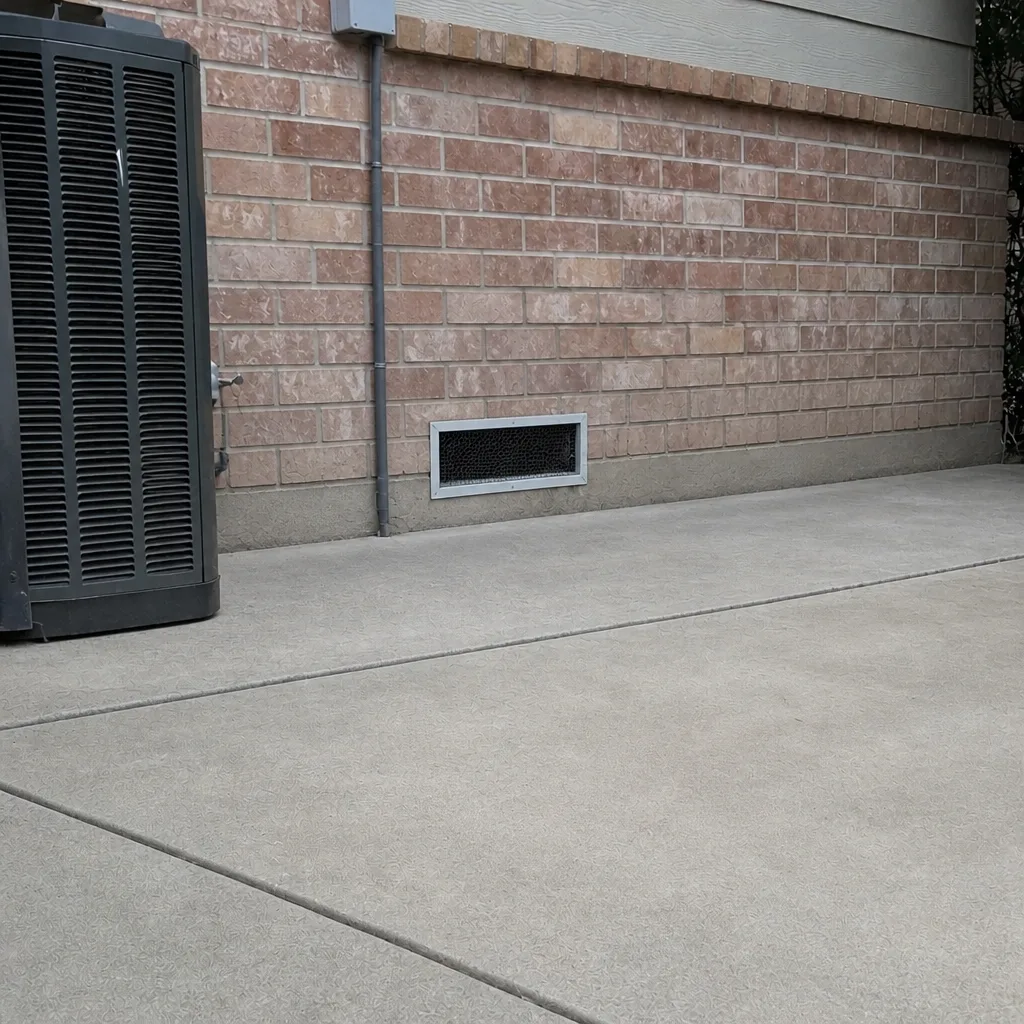 After
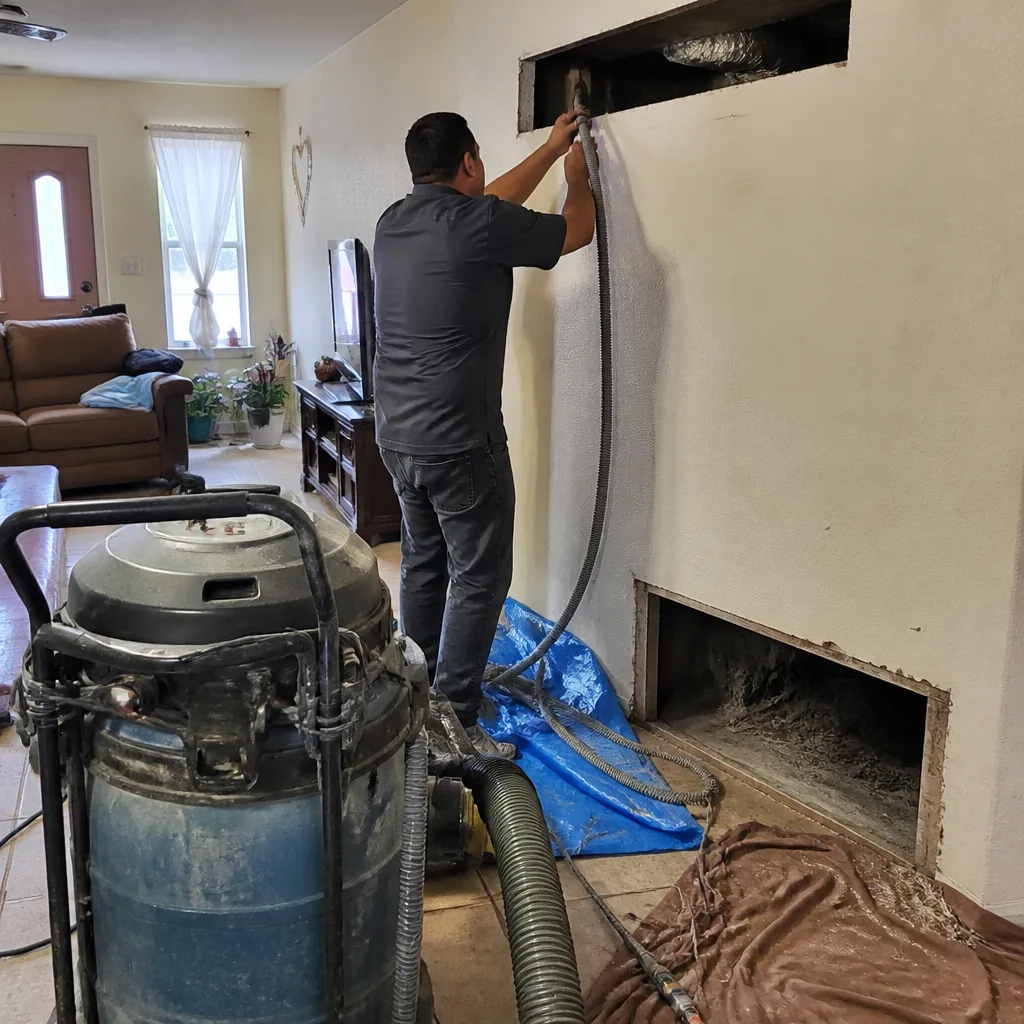 Before
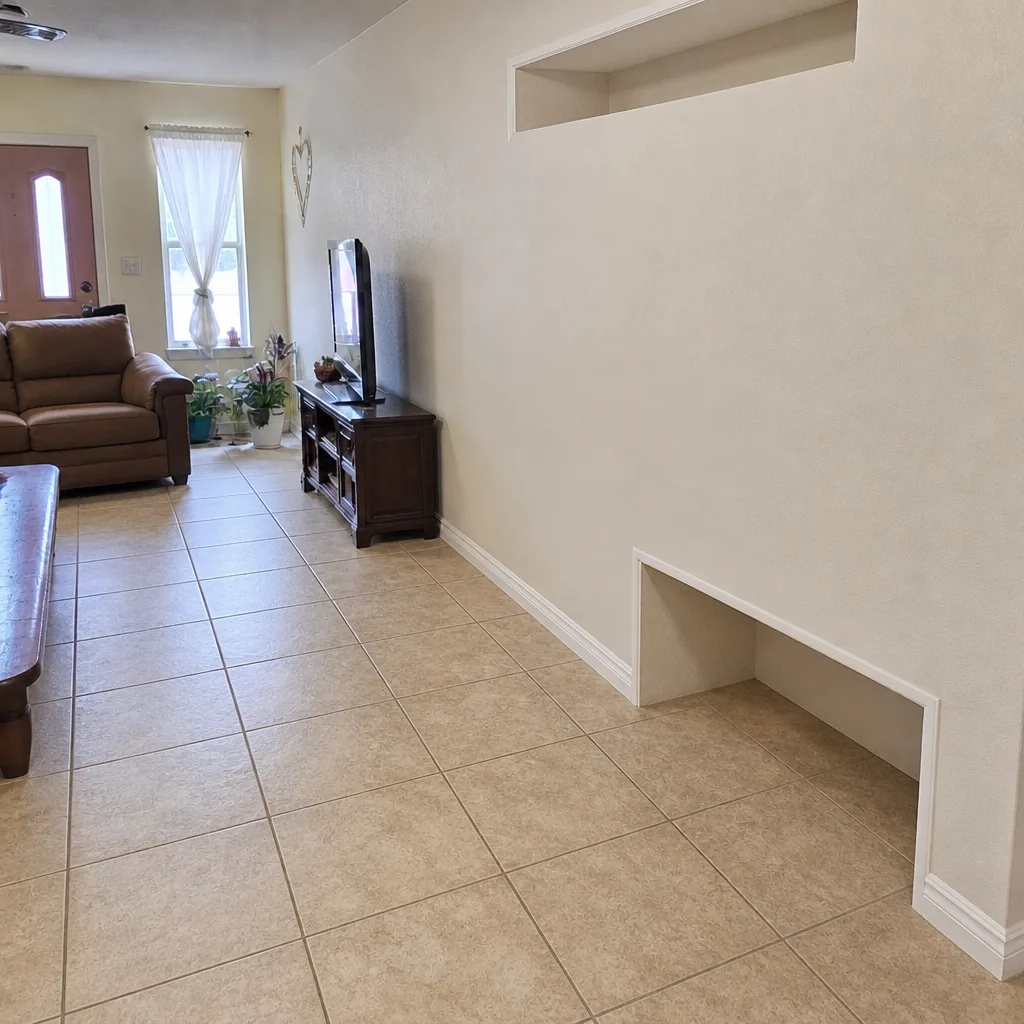 After
 Before
 After