
Last updated November 15, 2026
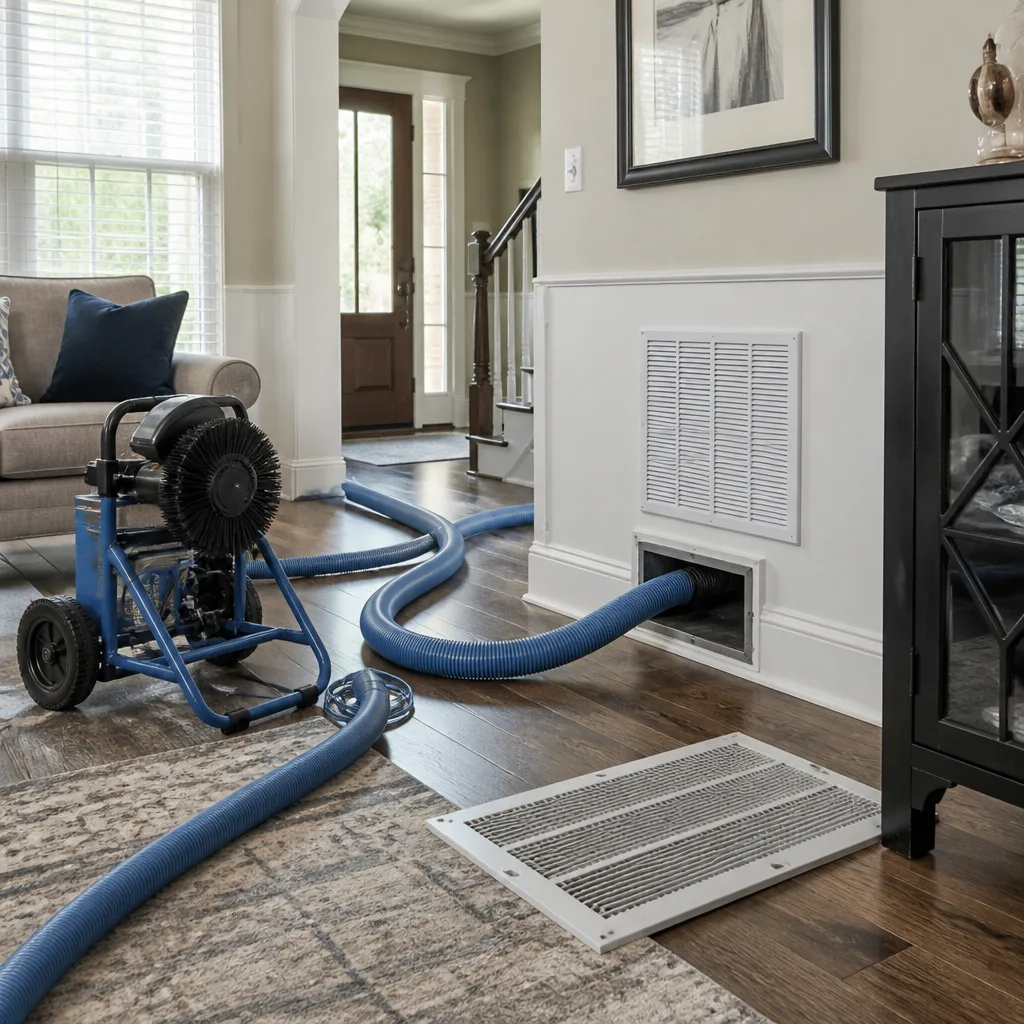 Whole-home duct cleaning
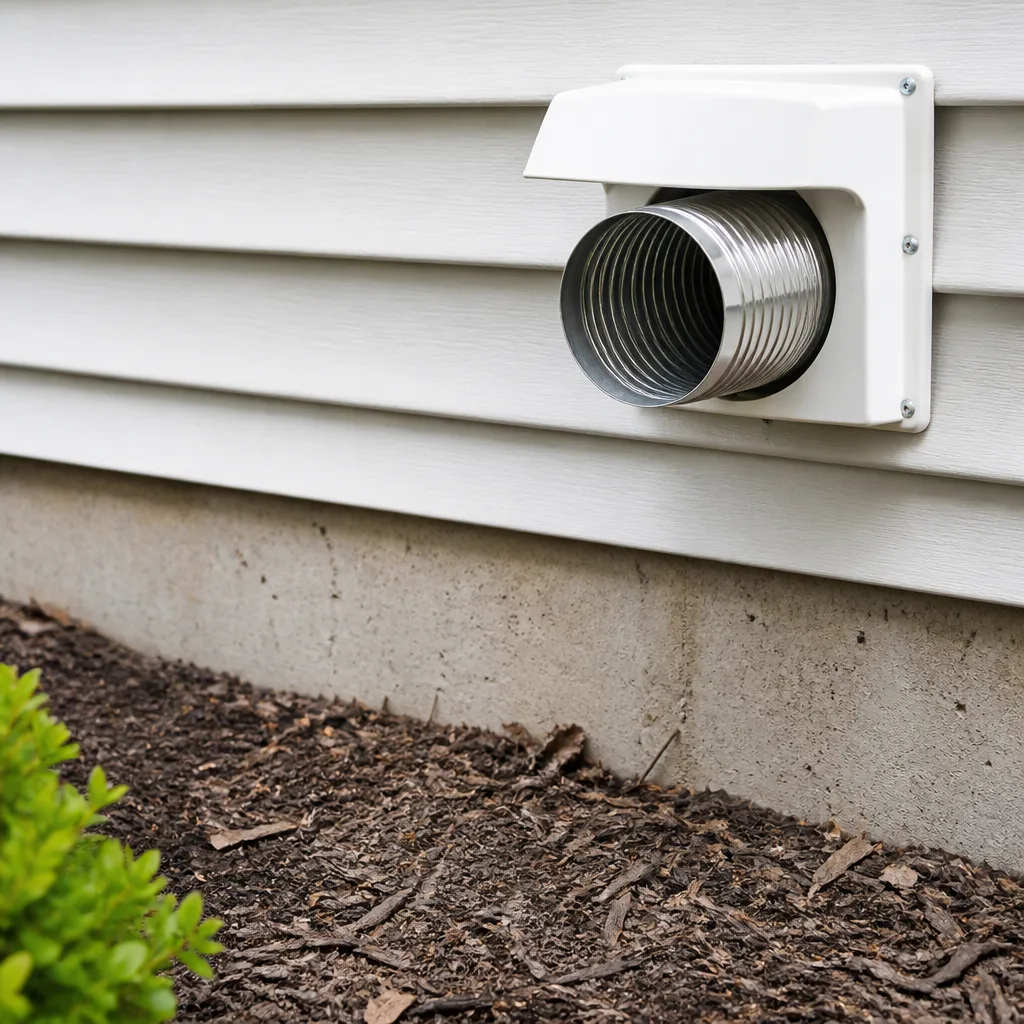 Dryer vent cleaning
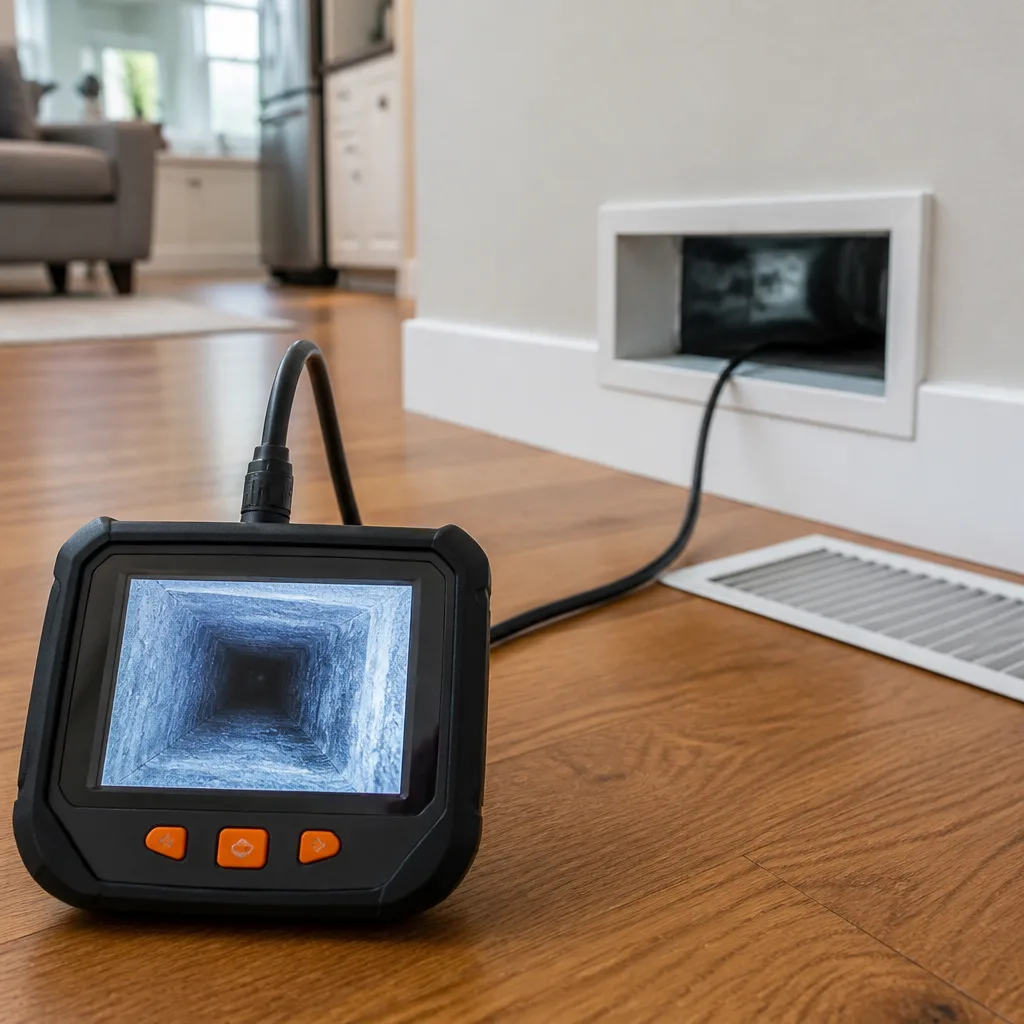 Camera inspection
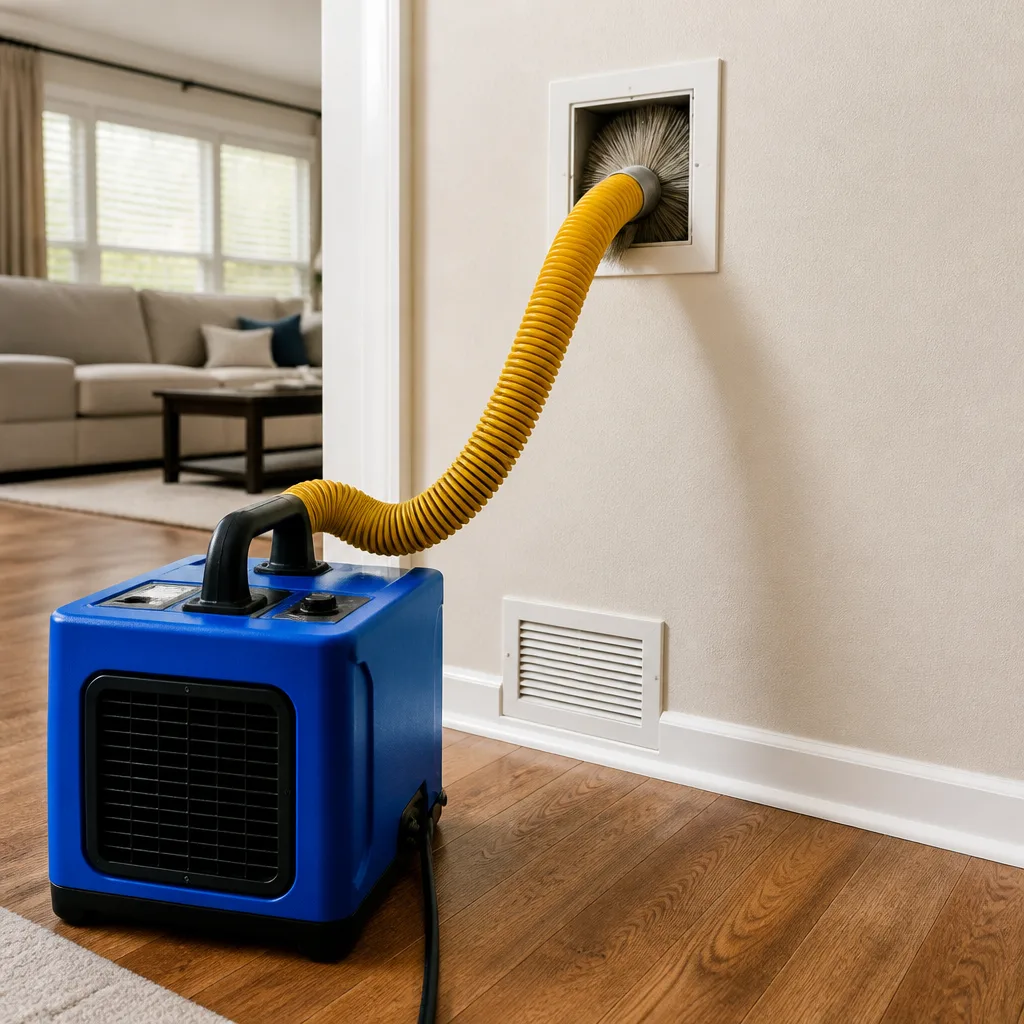 Sanitizing & deodorizing
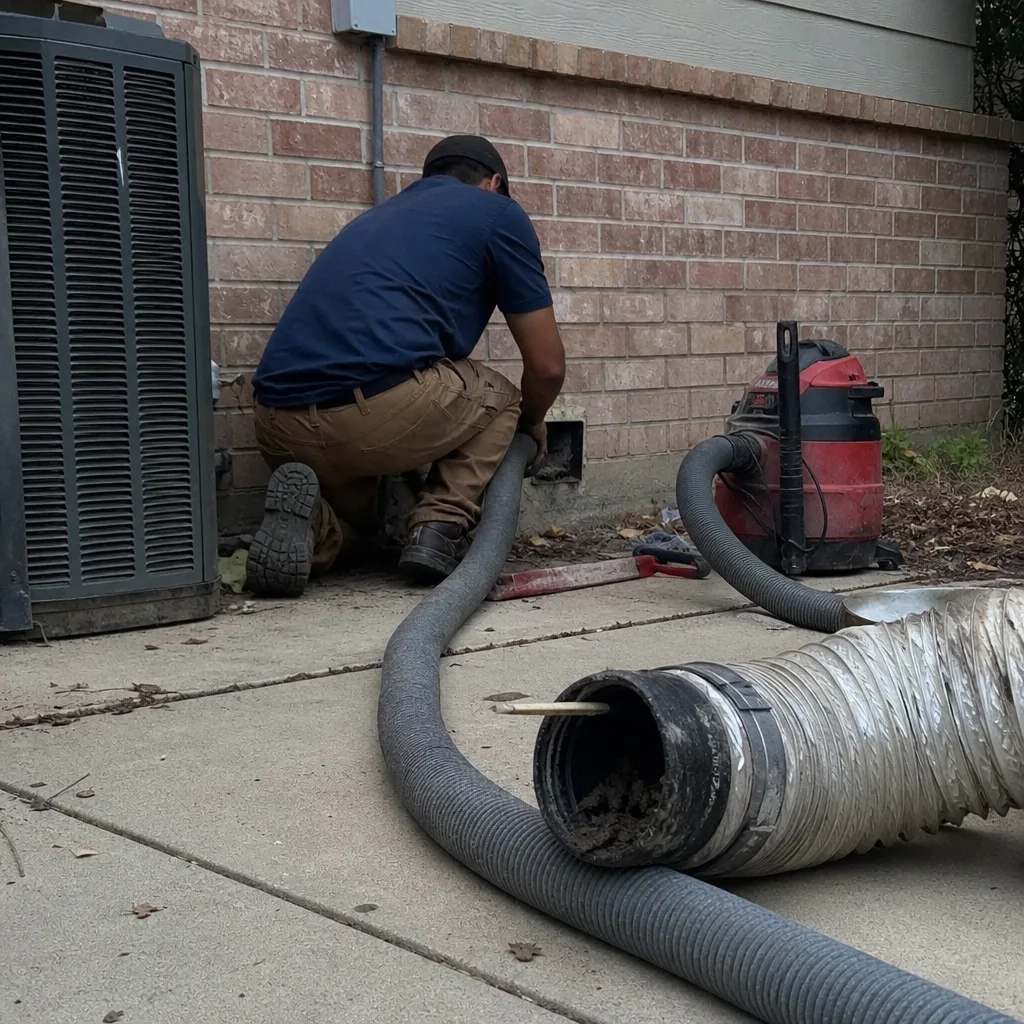
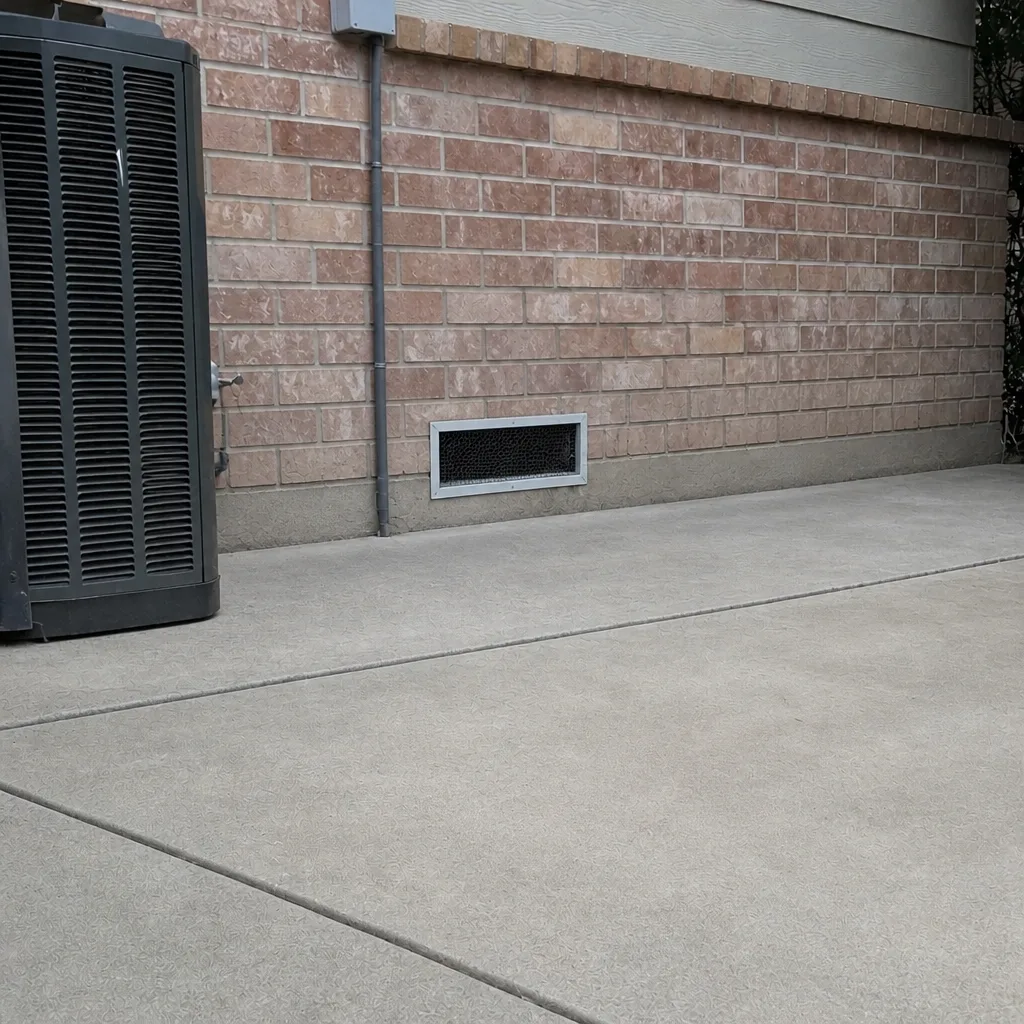
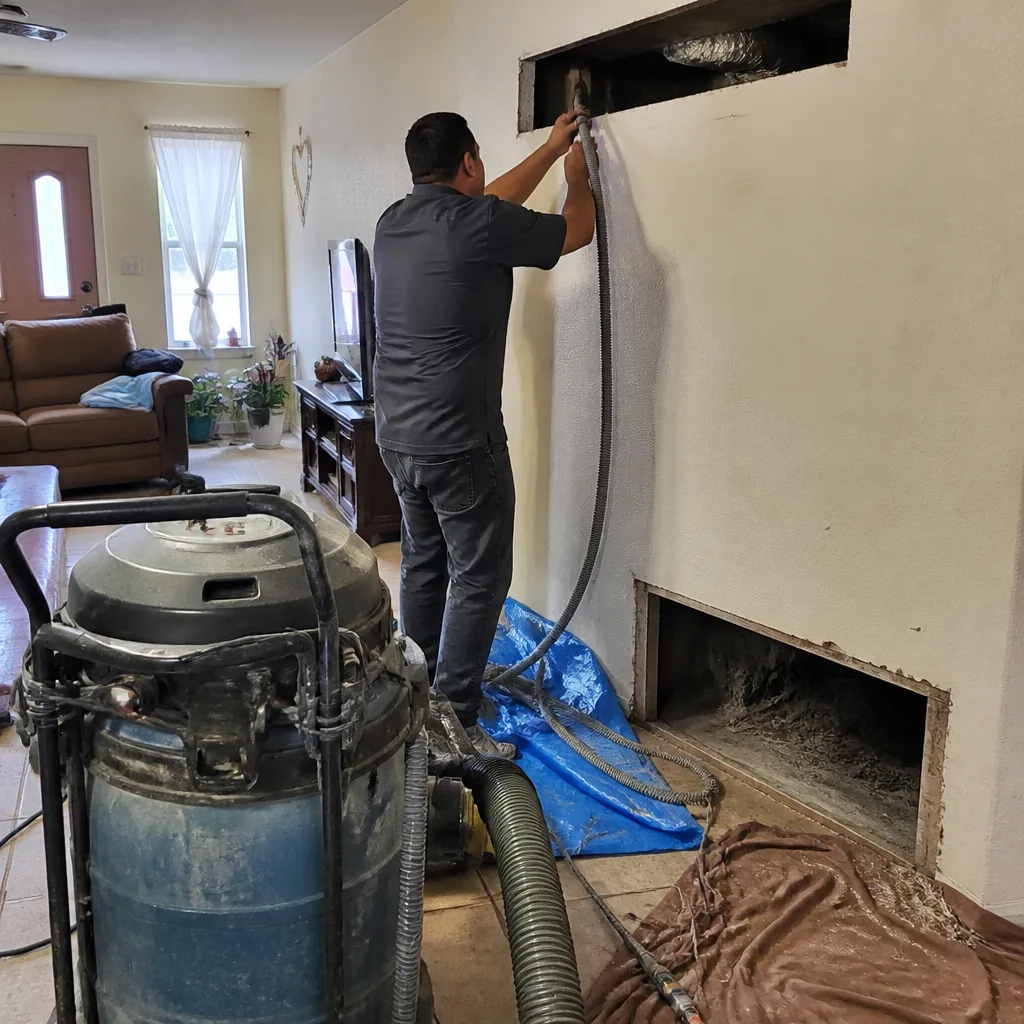
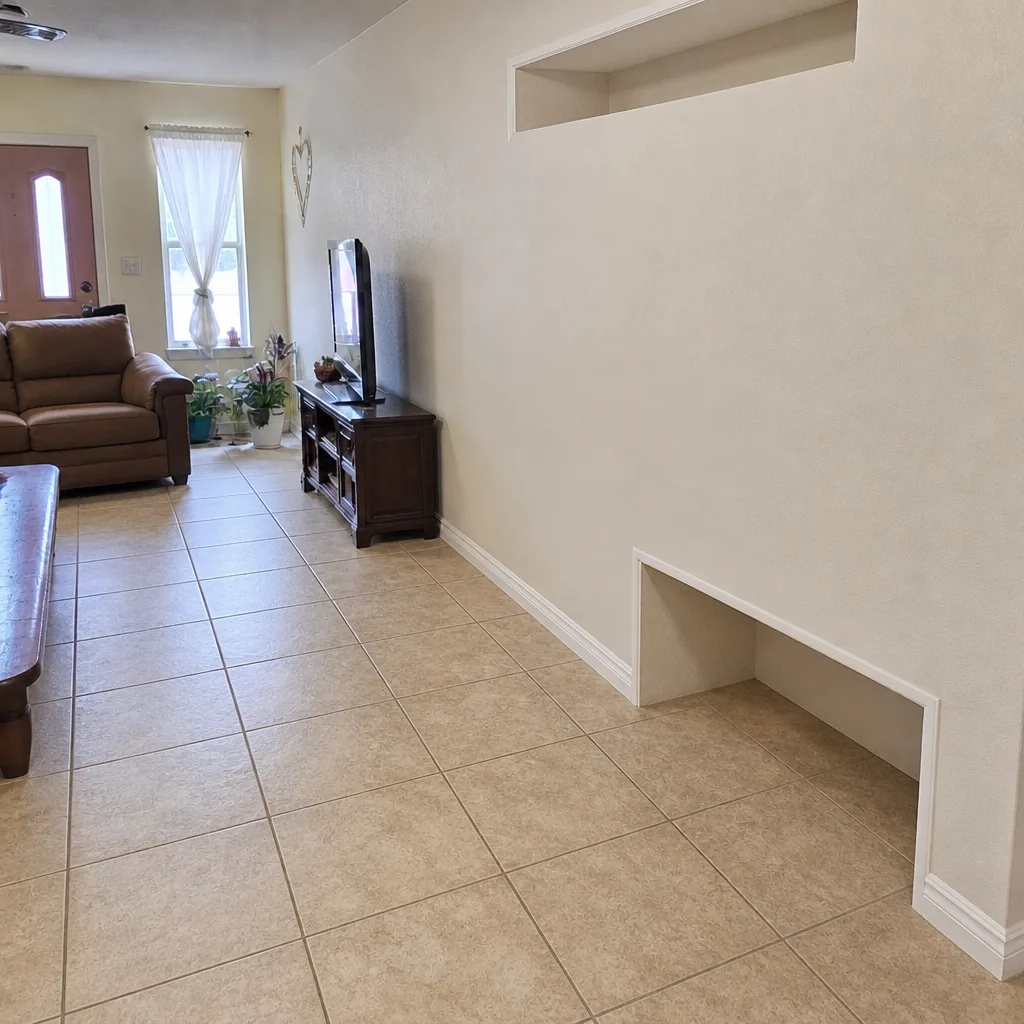
Whole-system duct and dryer vent check with before-and-after photos - you see exactly what came out of your vents
That "$99 whole-house special" is a bait ad - the real number appears once they are in your hallway, or the "clean" is a shop-vac at the register. We photograph the inside of your ducts before and after instead.
How to Hire an Air Duct Cleaning Contractor in Edinburg: A Step-by-Step Guide
Texas does not require a license specifically for duct cleaning. That single fact reshapes everything about hiring in Edinburg. The market here includes genuine specialists running professional-grade equipment and opportunistic operators charging nearly identical prices with a shop vac and a blower. The only reliable way to tell them apart is knowing what to ask before anyone walks through your door. This guide walks you through the exact questions, red flags, and quote structures that separate a thorough job from a surface sweep, so you can evaluate a contractor on technical grounds rather than on the price tag.
Quick Answer
To hire an air duct cleaning contractor in Edinburg, ask three equipment questions first (what source-removal machine, what vacuum, what containment), verify NADCA membership as a baseline, insist on a pre-job walkthrough that counts your supply and return runs, and read the written quote for specifics rather than vague language. A contractor who can’t name their equipment or scope the job before quoting isn’t worth booking.
Styles & brands we work with
- Whole-home duct cleaning
- Dryer vent cleaning
- Camera inspection
- Sanitizing & deodorizing
Table of Contents
- What to ask before you book
- The three equipment questions that disqualify contractors
- How to verify NADCA membership
- What a legitimate pre-job walkthrough looks like
- How to interpret a written quote
- Red flags in the Edinburg market
- Common mistakes to avoid
- Frequently asked questions
What should you ask before booking a duct cleaning in Edinburg?
Start with equipment. Almost everything else about a duct cleaning job flows from what machine is going into your system. A contractor who answers the equipment question in brand names and model types is signaling a trade shop. One who answers in adjectives (“high-powered,” “industrial-grade”) is signaling something else.
The questions that matter most, in the order a careful homeowner should ask them:
- What source-removal system will you use to loosen debris from the duct walls? The right answer names a rotary brush or compressed-air whip designed for duct interiors, not a rag on a pole.
- What vacuum will capture the debris once it’s airborne? The right answer names a HEPA-rated negative-pressure unit sized for the run length.
- How will you contain the work area while ducting is open? The right answer mentions filters, negative-pressure barriers, or a containment machine, not open-window ventilation.
- Are you NADCA members, and can I see your certification status? Membership is a baseline, not a guarantee, but the absence of it is a signal.
- Will you walk the system before you quote, or quote over the phone? A real estimate requires counting returns, seeing access, and knowing what you’re dealing with.
- What does your written quote actually cover? Line items, not paragraphs of reassurance.
Those six questions eliminate most of the field. The sections below unpack the answers you should expect and the ones that should send a contractor walking. For more on our approach to the work itself, see how we handle air duct cleaning.
Which equipment questions disqualify a contractor on the spot?
There are three, and they are non-negotiable. The equipment is the job. A technician with the wrong hardware can spend four hours inside your system and finish with ductwork that is, if anything, slightly worse than when they started – debris loosened but not removed, redistributed through the connected runs instead.
1. The source-removal question
Debris clings to duct walls. A vacuum alone doesn’t break it free. The contractor needs a source-removal mechanism: a rotary brush system like Rotobrush, or a compressed-air whip sized to the duct diameter, or a combination of both. If the answer is “we use a big vacuum” or “we use air pressure,” the contractor does not have a source-removal process. That is the single most important answer in the entire conversation.
2. The vacuum question
Whatever is loosened must be captured, not recirculated through your home. Ask specifically about HEPA filtration and negative pressure. A HEPA-rated vacuum like Nikro captures fine particulates at the filter rather than blowing them into the room. A shop vac – even a large one – does not. If the contractor is cagey about whether their vacuum is HEPA-rated, it isn’t.
3. The containment question
Duct work means opening the system. Fine dust, dust from the attic, and whatever else is in the ducting gets airborne during the job. Proper containment uses equipment like Abatement Technologies filtration units to keep the working area under negative pressure and filter the air before it leaves the equipment. Contractors who don’t mention containment are typically the ones clearing rooms of furniture and hoping for the best.
If any of the three questions produces a blank look or a vague paraphrase, hang up. There are contractors in Edinburg who can answer all three, and they’re the only ones worth your time. The equipment signals the seriousness of the trade shop, so it’s worth understanding what a real special-purpose tool looks like.
How do you verify NADCA membership, and why does it matter?
The National Air Duct Cleaners Association (NADCA) publishes an assessment, cleaning, and restoration standard that has become the de facto reference for the industry. Membership is voluntary – there is no state or local license in Texas – so verification requires a small amount of initiative on your part.
Verification takes three steps:
- Ask the contractor directly for their NADCA membership status and their membership number.
- Look the company up in the NADCA member directory on the association’s website.
- Ask whether at least one technician holds an Air Systems Cleaning Specialist (ASCS) certification, which is an individual credential separate from company membership.
Membership is a baseline minimum, not a quality guarantee. A company can be a member and still cut corners. But the absence of membership, in a market with no licensing to fall back on, is a meaningful signal that the contractor has not invested in the industry’s own standards. Treat NADCA membership the same way you’d treat a contractor’s willingness to show proof of insurance: not sufficient on its own, but conspicuous when missing.
One local nuance: the NADCA standard is national, but the practical problem in the Rio Grande Valley is ductwork that sits in a brutally hot attic for part of the year and then runs hard during a long cooling season. The standard doesn’t change, but the importance of a thorough job does. Duct systems here work harder than the national average. That argues for hiring on standards.
What does a legitimate pre-job walkthrough look like?
A contractor who quotes over the phone has not scoped the job. A contractor who walks the system before writing a number has. The walkthrough itself is short – usually ten to fifteen minutes – but what happens during it tells you nearly everything about how the job will go.
A credible walkthrough includes:
- Identifying every access point. The technician should point out where they’ll open the ducting, and note any locations that will need new access cut or installed.
- Counting the supply and return runs. Not approximating. Counting. The number of runs drives the work and shows up in the quote.
- Checking the air handler, coil, and return plenum. Debris in the return plenum is common and often the biggest single contributor to a dirty system. A walkthrough that skips this is incomplete.
- Checking conditions that affect the approach. Flexible duct versus rigid, flex run length, attic access, whether the ducting is accessible at all. Rigid ducting cleans more easily. Flexible ducting in Edinburg homes often requires a gentler approach.
- Noting whether repair is needed. Disconnected runs, crushed flex sections, and torn duct liner are common findings. A contractor who can’t fix them will still flag them, so the visit is also a scoping session for repair.
- Writing the quote after the walk. Not during. The number comes after the scope.
Ask during the walkthrough whether the technician has noticed anything about the system that will require repair. Listen for whether they can explain the difference between a cleaning problem and a ductwork problem. The two are related but not identical. Our own specialization covers both – we clean it, and if it’s damaged, we fix it – which is a distinction worth asking about of any contractor, because most will clean but not open the tool bag for repair.
How do you read a written air duct cleaning quote?
A written quote should be specific enough that you can figure out what the contractor is actually going to do inside your system. Vague quotes are not a communication style. They’re a preparation for a different, smaller job than the one you think you booked.
Line items that should appear
- Number of supply runs being cleaned
- Number of return runs being cleaned
- Whether the air handler, coil, and return plenum are included
- Access work (cutting or installing access doors where none exist)
- Equipment named (source-removal and vacuum)
- Containment method
- Disposal of removed debris
- If repair is being quoted separately: the specific repair scope and which runs are involved
Vague language that signals corner-cutting
- “Full system cleaning” with no defined run count
- “Includes all vents” with no mention of returns or the air handler
- Dollar amounts without any equipment described
- A one-line quote with no scope at all
- Promised savings or air-quality improvements stated as facts rather than as opinions
What “per vent” pricing usually means
Per-vent pricing is a common framing because it’s easy to advertise. What it actually accomplishes is spreading the work thin across many cheap positions: a low per-vent figure times a high vent count, with no clarity on what is and isn’t included. The result is often a fast sweep of each vent face rather than a full pass through each run. Ask instead for a whole-system price that reflects the actual run count and the actual scope. Compare quotes on scope, not on headline figure. A quote is only meaningful as an apples-to-apples comparison, and per-vent quotes almost never are.
What red flags are specific to the Edinburg market?
Some signals show up across the region. Here are the ones we’ve seen repeat, and what to do about each.
Seasonal upsell pressure
Late spring and early summer bring a predictable surge in duct cleaning advertising in the Rio Grande Valley, timed to the cooling season. Some of that advertising is legitimate. Some is a pressure tactic – “book now before the season.” Duct cleaning is not seasonal work. The best time to clean a duct system is when the system needs it, not when a marketing calendar says so. If a sales pitch leans on urgency, that’s a signal to slow down.
Bait-and-switch on “contaminated” systems
The classic version: a low advertised price, then a technician arrives and discovers, upon inspection, that your system is “heavily contaminated” and requires a much larger invoice. If a quote doesn’t hold after the walkthrough, that’s your answer. Ask for the price to be agreed in writing before work begins and not renegotiated on the day.
Bundled unlicensed HVAC work
Duct cleaners who offer to “tune up” the system, add refrigerant, or fix a capacitor as part of the visit are crossing into a trade they may not be credentialed for. Unless the bundled service is being performed by a licensed HVAC technician, decline. Duct cleaning and duct repair are one trade. HVAC service is another. The best duct specialists stay in their lane.
“Free” inspections that end in a sales call
Free is fine as a starting point, but the estimate should always be a written estimate, and it should be free. A free inspection that turns into a hard sell on-site is a signal the visit was always a sales appointment rather than a scoping visit. Walk away if needed.
Common Mistakes to Avoid
- Judging on price alone. Two quotes twenty percent apart very often describe two entirely different jobs. Compare scope first, then price.
- Booking over the phone without a walkthrough. A quoted-over-the-phone estimate is a guess. The scope can only be set in person.
- Not asking about equipment in specific brands. If a contractor can’t name Rotobrush, Nikro, or an equivalent system, ask what they use. A reluctance to name it is an answer.
- Assuming “licensed” is a legal guarantee. There’s no Texas license specific to duct cleaning. NADCA membership and proof of insurance are what stand in its place.
- Skipping the dryer vent. Lint buildup in a dryer vent is one of the leading residential fire hazards, and it’s the ducting most homeowners forget they have. The dryer vent check takes minutes; skipping it takes shortcuts with your household’s safety.
- Accepting repair flags with no repair path. A contractor who points at a crushed run and says they can’t fix it is handing the problem to the next company. Ask whether they can scope and complete duct repair before booking.
- Booking without a written estimate. A verbal price is not a price. A written estimate that sets the final figure is the only figure that matters.
See the difference
 Before
 After
 Before
 After
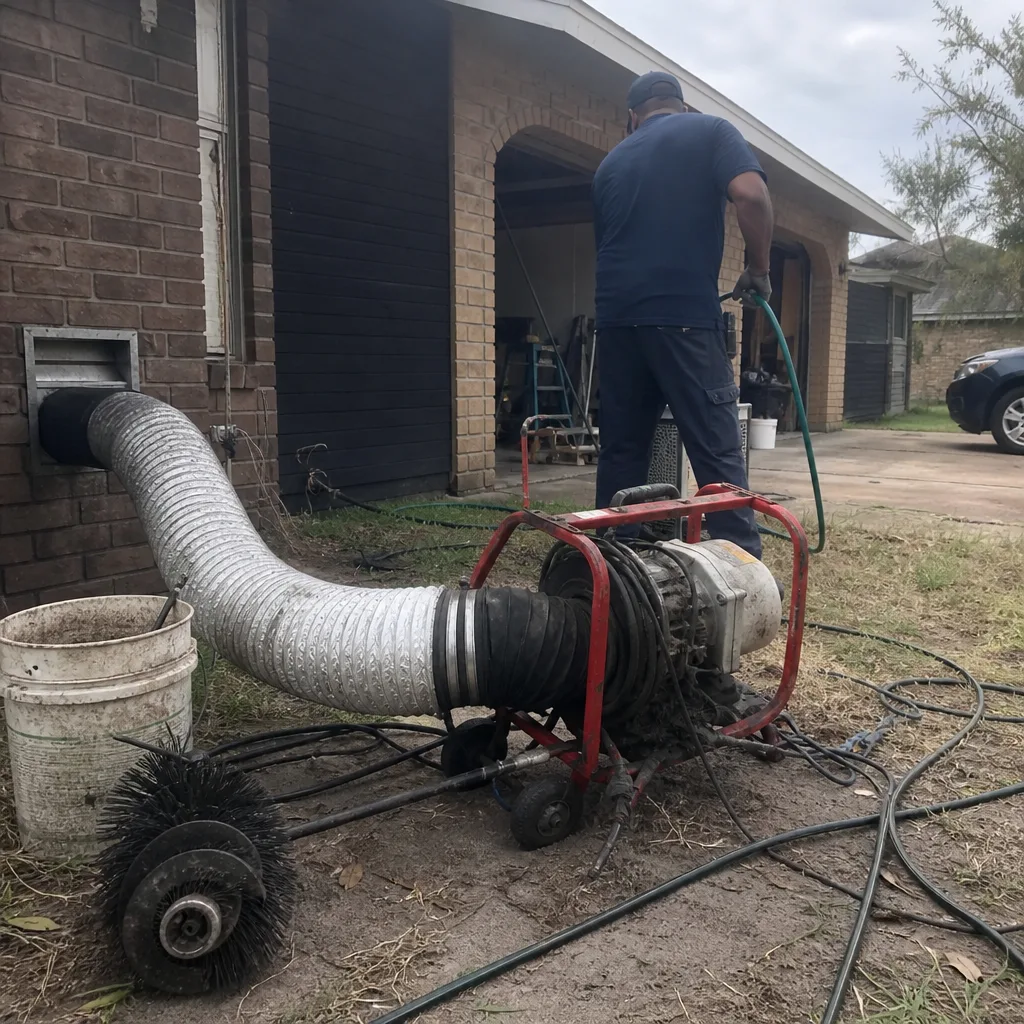 Before
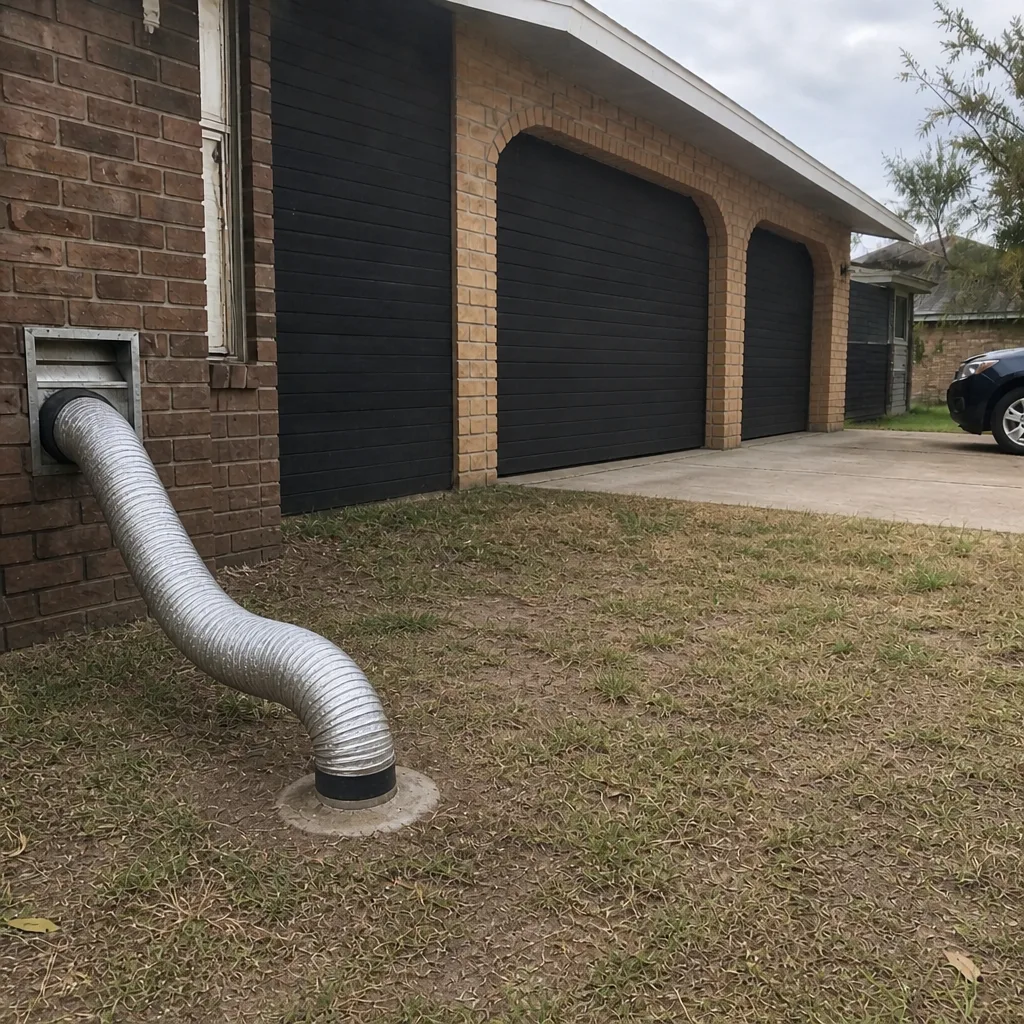 After
When to Call a Professional
Some indicators are loud enough that a professional visit is the right call now rather than later: visible dust plumes from supply registers when the system starts; an ongoing “construction smell” after a recent renovation; a new-to-you home where you don’t know the last service date; a family member with allergies that seem worse indoors; a dryer that takes much longer than it used to, which is often lint buildup in the vent; or ductwork that a home inspector flagged as damaged or disconnected.
Some indicators are quieter but worth acting on: uneven airflow between rooms, strange noises when the blower runs, or visible flex duct sagging in the attic. None of these means the system is unsafe, but each is a reason to have it looked at. Duct Cleaning Edinburg offers free estimates in Edinburg – call (877) 566-6144. We answer 24/7. Fast dispatch from 7am to 7pm, Sunday through Friday.
Frequently Asked Questions
Duct cleaning in Edinburg is typically quoted as a whole-system price based on the number of supply and return runs, the condition of the ductwork, and how much access the system allows. There isn’t a reliable per-vent figure because per-vent pricing usually reflects the vent face, not the run behind it. Ask for a written estimate scoped to your actual system, with line items that include the air handler and return plenum. Call (877) 566-6144 for a free estimate. We answer 24/7. Fast dispatch from 7am to 7pm, Sunday through Friday.
No. Texas does not require a specific license for residential duct cleaning. That means the market includes fully equipped specialists and generalist operations charging similar prices, and the only reliable filter is your own questions. Verify NADCA membership, ask about specific equipment, and require a pre-job walkthrough with a written quote. Those three steps eliminate most of the field.
No, membership isn’t required to be a good duct cleaner, but it’s the industry’s own baseline and it’s worth verifying. Ask for the company’s NADCA status and look it up in the directory. It’s the closest thing the trade has to a credential in a state where there is no license. A contractor with the right equipment but no membership is possible; a contractor with neither is not worth booking.
At minimum, three things: a source-removal system (rotary brush or air whip) to break debris from the duct walls, a HEPA-rated vacuum to capture what’s loosened, and containment equipment to keep the working area under negative pressure. Professional brands that come up in a serious conversation include Rotobrush, Nikro, and Abatement Technologies. If a contractor can’t name equipment by brand or describe how it works, they don’t have it.
No. Duct cleaning is one factor in indoor air quality and it is not a medical intervention. What it can do is remove accumulated dust, debris, and biological material from the duct system so those are not being recirculated through the home. For households dealing with allergies, the more meaningful steps are often repair of damaged or disconnected ducting, regular filter changes, and source control. If a contractor says duct cleaning will cure allergies, that’s an overpromise and a signal to question the rest of the quote.
Usually because the job is smaller than what you assumed. A cheap quote is often a single pass through accessible supply vents with no source-removal tool, no HEPA vacuum, no containment, and no air handler or return plenum work. Those jobs can still be sold at an attractive price because they take a fraction of the time. Compare quotes on scope, not on the headline number. Call (877) 566-6144 for a free written estimate scoped to your actual system.
The Bottom Line
Hiring an air duct cleaning contractor in Edinburg comes down to asking better questions before anyone shows up. Equipment first: source removal, HEPA vacuum, containment. Then credentials: NADCA membership verified, HVAC licensing not overreached. Then the walkthrough: a genuine scope that counts runs and spots damage. Then the quote: line items, not adjectives. Get those four things right and the price becomes a footnote instead of the deciding factor. If you’re ready to go through those steps with us, call (877) 566-6144 for a free estimate. We answer 24/7. Fast dispatch from 7am to 7pm, Sunday through Friday. For broader context on what a specialist trade shop looks like, visit Duct Cleaning Edinburg.
Related Guides
If hiring is your starting point, pair this guide with our walkthrough of dryer vent cleaning, which covers a separate ducting system that deserves the same scrutiny. And for homeowners weighing whether the timing is right, our overview of Edinburg service-area conditions explains why the local cooling season puts above-average demand on residential duct systems.
Written by the team at Duct Cleaning Edinburg.